
You think spring means you can ditch the serious hydration game. You’ve probably noticed the snow melting, the sun peeking out more often, and maybe even a few brave wildflowers. It’s tempting to relax your guard, to think that because it’s not blazing July, your water bottle can take a backseat. But here’s the thing: improper **spring hike hydration** can sneak up on you faster than a rogue patch of ice on a shaded trail. I'll be real with you, I’ve seen too many people underestimate the demands of even a seemingly mild spring day hike, only to feel the effects of dehydration later.
The Deceptive Nature of Spring Weather
Spring often fools us. The air might feel cool, even chilly, but that doesn't mean your body isn't working overtime. The increased sunlight, especially at higher elevations, can contribute to significant fluid loss through sweat, even if you don't feel drenched. Plus, the shift from winter inactivity to spring outdoor activities means your body is adapting. This transition itself requires proper fueling and hydration.
Why the Cool Air Lies
It’s a simple fact of physics and biology: your body loses water regardless of ambient temperature. When you're moving, especially uphill, your internal furnace kicks in. The sweat evaporates, cooling you down, but that water has to come from somewhere. In spring, the cooler air can make you *feel* less sweaty, but the actual fluid loss can be substantial. This is a critical aspect of understanding spring hike hydration.
The Gradual Transition Trap
After months of being more sedentary, your cardiovascular system and muscles are getting reacquainted with exertion. This initial phase of increased activity, even if moderate, demands more from your body. Think about the last time you ramped up your exercise routine after a break; you likely felt more thirsty. The same principle applies to your first few spring hikes. It's about managing expectations and preparing your body for the effort.

Mastering Spring Hike Hydration: Your Practical Guide
Getting your **spring hike hydration** strategy right is about more than just carrying a bottle. It’s about understanding your body’s needs and the specific demands of the season. This isn't about complex science; it's about smart, practical steps that make a real difference to your enjoyment and safety on the trail.
Before You Even Hit the Trail
This is where the battle for proper hydration is often won or lost. Don't wait until you're thirsty. Start hydrating the day before your hike. Aim for consistent water intake throughout the day. A good baseline for most people is around half their body weight in ounces daily, but this increases with activity. For athletes, the National Institutes of Health research on spring hike hydration often points to the importance of pre-loading fluids.
On the morning of your hike, drink a good 16-20 ounces of water at least an hour before you leave. This ensures your system is primed and ready to go. This proactive approach is a cornerstone of effective hydration for trails.
During Your Hike: Sip, Don't Gulp
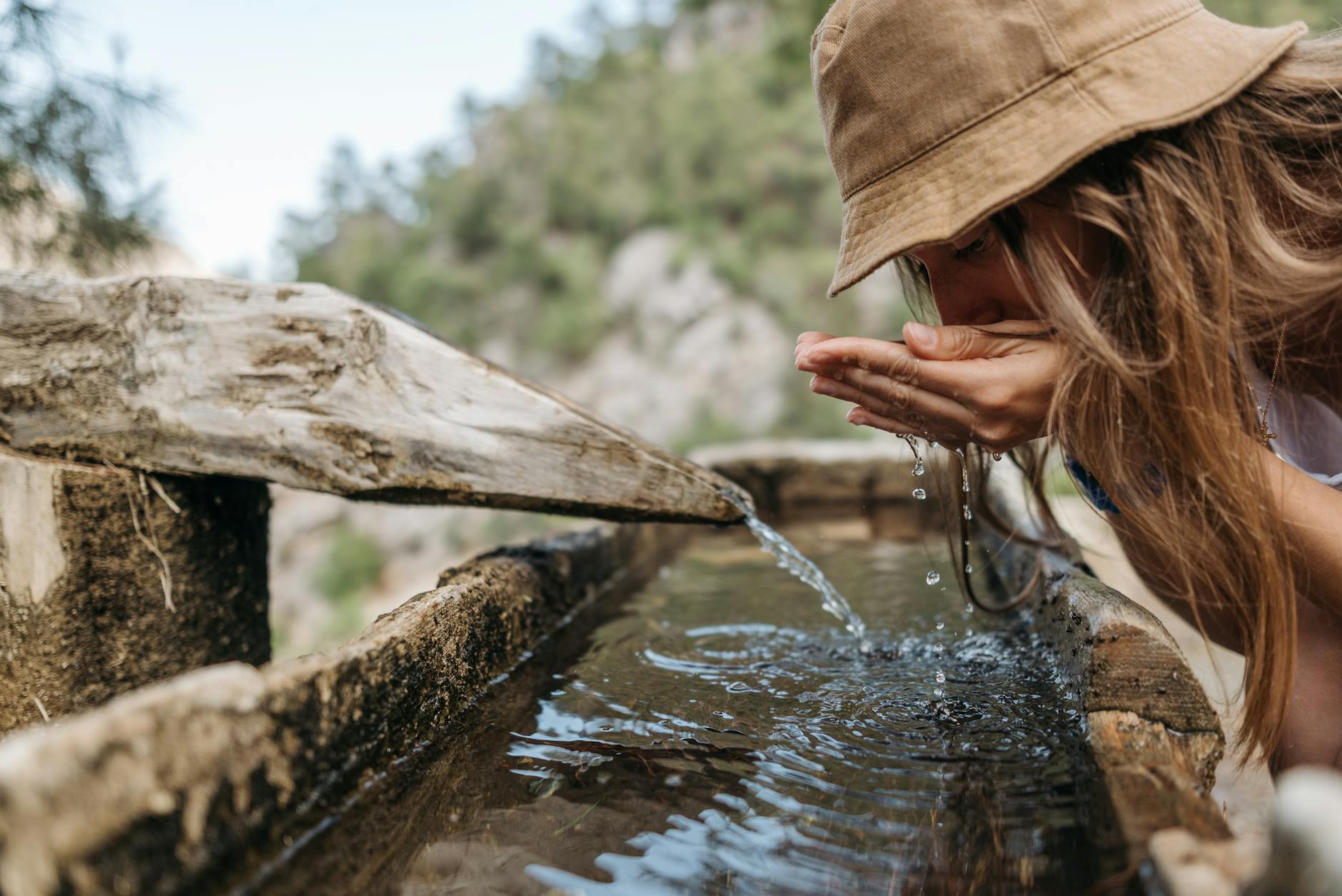
Here's the thing: you need to sip water regularly. Don't wait until you feel parched. Aim to take small sips every 15-20 minutes. This consistent intake prevents your body from ever reaching a state of significant dehydration. Think of it like tending a small fire; you add wood gradually to keep it burning steadily, rather than dumping a whole log on at once and overwhelming it.
This is where hiking hydration tips become crucial. Many people underestimate how much they need. A common recommendation is about 0.5 to 1 liter of water per hour of hiking, depending on intensity, temperature, and personal sweat rate. For a moderate 3-hour hike in spring, that’s 1.5 to 3 liters – a significant amount!
Post-Hike Recovery: The Final Piece
Your hydration efforts don't end when you reach the trailhead. Replenishing lost fluids is vital for muscle recovery and overall well-being. Continue to drink water throughout the rest of the day. This is also a good time to consider replenishing electrolytes, especially if your hike was longer or more strenuous than usual.
The Electrolyte Equation: More Than Just Water
Water is king, no doubt. But when you’re sweating, you’re not just losing water; you’re losing essential minerals, or electrolytes, like sodium, potassium, and magnesium. For longer hikes or particularly warm spring days, simply drinking plain water might not be enough to keep you feeling your best. This is where understanding electrolytes for hiking becomes important.
Why Electrolytes Matter
Electrolytes are crucial for nerve function, muscle contractions, and maintaining the right fluid balance in your body. When these levels drop too low due to sweat loss, you can experience symptoms like fatigue, muscle cramps, headaches, and even dizziness. Proper electrolyte balance is key to sustained energy and preventing dehydration outdoors.
When to Reach for More Than Water
For hikes under an hour or so in cool spring conditions, plain water is usually perfectly adequate. However, if you're planning a longer trek (say, over two hours), are a heavy sweater, or the spring day turns unexpectedly warm, consider a sports drink or electrolyte tablets. These can help replenish what you're losing. I used to think electrolyte supplements were overkill for anything but marathon running, but I’ve seen firsthand how they can make a difference on a long spring day in the mountains.
There are also natural ways to boost electrolytes. Eating a banana before or during a hike can provide potassium, and adding a pinch of salt to your water can help with sodium intake. Think about your nutrition for long hikes – it’s intertwined with your hydration.

Choosing Your Trailside Elixir: Best Hiking Drinks
The market is flooded with options, but not all drinks are created equal when it comes to keeping you properly hydrated on the trail. When I talk about the best hiking drinks, I’m thinking about effectiveness, portability, and what actually helps your body perform.
Water: The Undisputed Champion
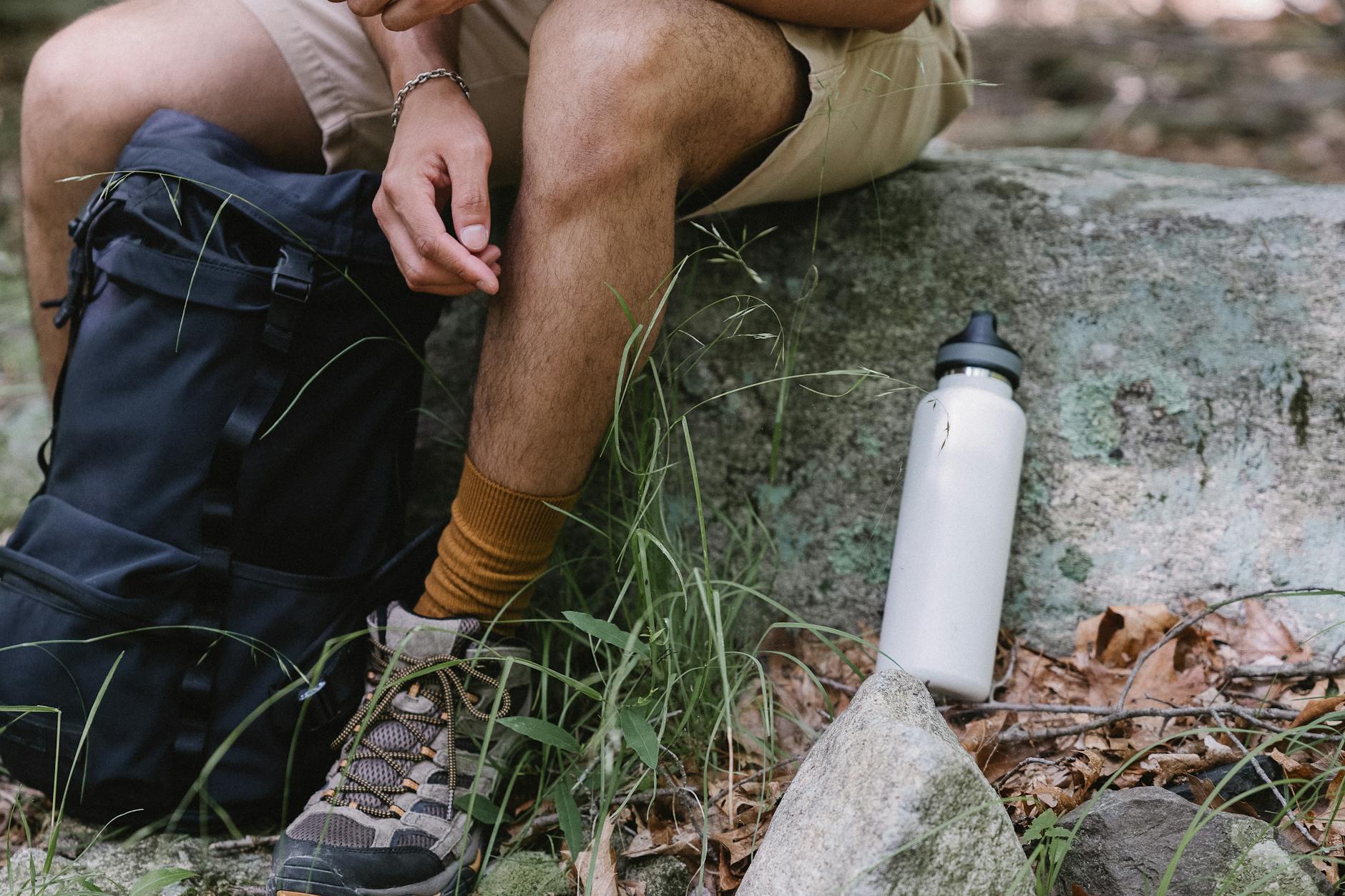
Let's be clear: plain water is your primary hydration source, and it should be for most spring hikes. Carrying enough water is paramount. Consider a hydration reservoir (like a CamelBak) for easy access, or a sturdy water bottle. If you’re on a longer trail where water sources are available, a reliable water filter or purification tablets are essential for refilling.
Electrolyte Drinks: When and How
As mentioned, for longer or more intense efforts, electrolyte-enhanced drinks are beneficial. Many brands offer powders or tablets that you can mix with water, which are lightweight and convenient. Look for options that aren't loaded with excessive sugar, as too much sugar can actually hinder hydration. Some people find that a balanced mix of carbohydrates and electrolytes provides the best energy boost for hiking.
Avoid These Common Mistakes
Caffeinated beverages like coffee or energy drinks can have a mild diuretic effect, meaning they might cause you to lose fluids faster. While a small amount of caffeine might be okay for some, it’s not your primary hydration strategy. Sugary sodas are also a no-go; they offer little nutritional value and can lead to energy crashes. Stick to what your body truly needs: water and balanced electrolytes.
Seasonal Hiking Preparation: Beyond Hydration
While **spring hike hydration** is a major focus, it’s part of a broader picture of seasonal hiking preparation. Spring brings its own unique challenges and opportunities that you need to be ready for. Getting this right means you can focus on the joy of being outdoors.
Layering is Key
Spring weather can be fickle. You might start your hike in a cool morning mist and end it under a warm, bright sun. Layering your clothing allows you to adjust your temperature effectively, preventing overheating or chilling. This also impacts your hydration needs; if you’re too warm and sweating profusely, your fluid loss increases. Proper layering helps maintain a more stable body temperature.
Trail Conditions and Safety
Muddy trails, lingering snow patches on shaded slopes, and increased wildlife activity are all part of spring. Always check trail conditions before you go. Carry appropriate gear, including sturdy footwear, and be aware of your surroundings. For longer hikes, consider carrying a basic first-aid kit and letting someone know your route and expected return time.
Thinking about how you prepare for outdoor cardio workouts can inform your spring hiking strategy. Many of the principles of pacing yourself and listening to your body apply directly to hiking.
Listen to Your Body, Always
This is, perhaps, the most important piece of advice I can give anyone, regardless of the season. Your body will tell you what it needs. If you feel thirsty, drink. If you feel fatigued, rest. Don't push yourself beyond your limits, especially as you're getting back into the swing of spring outdoor activities. The goal is to enjoy the experience and come home feeling energized, not depleted. Understanding your personal needs for hydration during exercise is a skill that develops over time and with practice.
The Long-Term Benefits of Smart Hydration
Making **spring hike hydration** a priority isn't just about getting through your next hike. It’s about building healthy habits that benefit your overall fitness and well-being. Consistent, smart hydration supports better athletic performance, improved recovery, and a stronger immune system. It allows you to tackle more challenging hikes, explore further, and truly appreciate the beauty of the natural world around you. Think about the last time you felt truly sluggish on a hike – chances are, dehydration played a role. By focusing on this crucial element, you’re investing in more enjoyable and rewarding outdoor adventures, not just for this spring, but for every season to come.