Unleash Your Inner Explosiveness: The Real Deal on Plyometric Exercises
So, you've heard about plyometric exercises. Maybe you think they're just for elite athletes, or perhaps you picture someone leaping over flaming obstacles. Honestly, that's not too far off for some advanced folks, but the truth is, plyometrics are accessible to a lot more people than you might think. Many folks believe you need to be incredibly fit to even *start* with plyometrics, and that’s a common misconception. But here’s the thing: when done correctly, these explosive movements can be game-changers for anyone looking to build serious power, improve athletic performance, and even boost their overall fitness. Forget the complicated jargon for a moment. At its core, plyometric training is about teaching your muscles to produce maximum force in the shortest amount of time. Think of it as training your body to be a coiled spring, ready to release energy instantly.
What Exactly Are Plyometric Exercises?
The Science of the Stretch-Shortening Cycle
This is where the magic happens. Plyometric exercises leverage something called the stretch-shortening cycle (SSC). When your muscles lengthen under load (the eccentric phase), they store elastic energy. Then, in a rapid, explosive movement, they shorten (the concentric phase), releasing that stored energy. This is what gives you that extra 'oomph' – think of a basketball player exploding upwards for a dunk or a sprinter bursting off the starting blocks. The faster you can transition from the stretch to the snap, the more powerful you become. It’s not just about brute strength; it’s about speed and efficiency of muscle activation.
Beyond Just Jumping
While jumping exercises are the most common form of plyometrics, the principle applies to other movements too. Think about a powerful medicine ball throw, a quick change of direction in soccer, or even the punch of a tennis player. These all involve rapid muscle contractions and the stretch-shortening cycle. So, when we talk about plyometrics, we’re talking about a whole category of exercises designed to enhance your body’s ability to generate explosive power.
The Tangible Benefits: Why You Should Care
Boosting Power and Athletic Performance
This is probably the most obvious benefit. If you’re an athlete, or even just someone who wants to feel more dynamic, plyometrics are key. They directly translate to better jumping ability, faster sprinting speeds, and more powerful movements in sports like basketball, volleyball, track and field, and even just recreational activities. You'll notice a difference in how quickly you can react and move. This kind of training is fundamental for improving overall athletic performance.
Enhancing Strength and Conditioning
Plyometrics aren't just about power; they're a fantastic addition to any strength and conditioning program. By challenging your muscles and nervous system in new ways, they can help you break through plateaus and build functional strength. Plus, the rapid nature of these movements can also improve your body's coordination and proprioception – your sense of where your body is in space. This is crucial for injury prevention.
Jump Training Benefits for Everyone
Even if you’re not aiming for a professional sports career, the jump training benefits are significant. Improved power can make everyday activities feel easier. Think about carrying groceries, climbing stairs, or even just getting up from a chair. Developing that explosive strength can contribute to better balance and a more resilient body, especially as we age. It’s about living a more capable life.
Getting Started Safely: Your First Steps into Plyometrics
Assessing Your Readiness: The Foundation is Key
Before you even think about leaping, let's be real: you need a solid foundation. If you’re new to exercise or haven't been consistently training, jumping straight into intense plyometrics is a recipe for disaster. You need to have a decent base level of strength. Can you squat your body weight? Can you perform a few bodyweight squats with good form? If not, focus on building that strength first. This is where traditional weight training benefits become invaluable. You might be surprised how much this initial phase matters.
The Importance of Proper Form
This is non-negotiable. Bad form with plyometrics doesn't just make the exercise less effective; it dramatically increases your risk of injury, especially to your ankles, knees, and back. Focus on landing softly, absorbing the impact through your legs, and maintaining a neutral spine. Think of it like landing on a cloud, not concrete. Every single repetition matters when it comes to form.
Gradual Progression: Start Small, Build Big
You don’t need to be doing box jumps from a 4-foot box on day one. Start with basic strength training runners can benefit from, and then introduce very simple plyometric drills. We’re talking about things like basic squat jumps, low box jumps, or even just jumping and landing. Volume and intensity should be increased very gradually. Listen to your body, and don't push through pain.
Essential Plyometric Drills for Building Power
Lower Body Plyometrics: The Classic Powerhouses
These are the most common and highly effective for developing explosive power in your legs.
Beginner Plyometrics: Building the Base
Start with exercises that have minimal impact and focus on the explosive aspect.
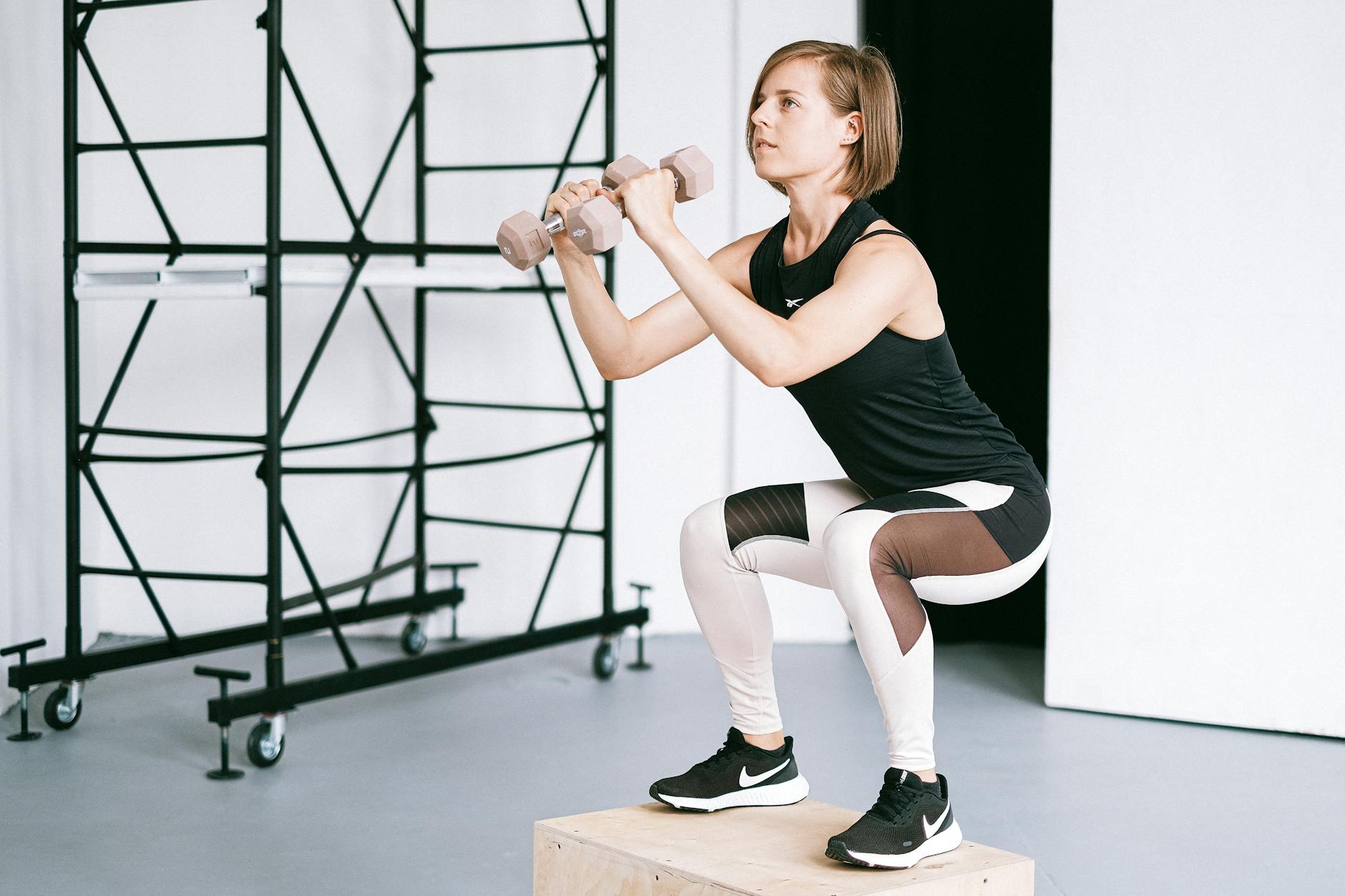
- Squat Jumps: Stand with feet shoulder-width apart. Lower into a squat, then explode upwards, extending your hips and knees. Land softly back into a squat.
- Box Jumps (Low Box): Stand in front of a low, stable box. Step up onto the box and then jump off, landing softly. The focus here is on the jump *onto* the box, not the height.
- Tuck Jumps: From a standing position, jump as high as you can, bringing your knees up towards your chest. Land softly.
Intermediate Plyometrics: Stepping Up the Intensity
Once you've mastered the basics and your body feels ready, you can increase the challenge.
- Broad Jumps: Stand with feet hip-width apart. Swing your arms back, then explosively jump forward as far as possible, landing softly on both feet.
- Lateral Bounds: Start with feet together. Leap to one side, landing on one foot, then immediately bound back to the other side.
- Depth Jumps (Low Box): Step off a low box (start very low, maybe 6-12 inches), land softly, and immediately explode into a vertical jump. The key is the rapid transition from landing to jumping.
The "Spring Plyo Workout" and Power Training Exercises
Crafting Your Plyometric Workout Plan
A good plyometric workout plan is more than just random jumping. It needs structure, and crucially, adequate rest. Plyometrics are very taxing on the nervous system and muscles. You should generally perform them at the beginning of your workout when you’re fresh, and not more than 2-3 times per week. Recovery is where your body gets stronger, so don't skimp on it.
What Nobody Tells You About Plyometrics
Here's the truth: plyometrics are not just about jumping higher or faster. They are about improving your body's ability to absorb force and then redirect it. This is incredibly important for injury prevention. Think about the last time you stumbled – a strong plyometric base helps your body react and stabilize much more effectively. This one surprised me when I first started focusing on it; it’s not just about being explosive, but also about being resilient.
Power Training Exercises Beyond the Jump
While jumping is king, don't forget other power training exercises that complement plyometrics. Medicine ball throws (overhead slams, rotational throws), kettlebell swings, and even explosive push-ups can all contribute to building that overall explosive strength. Integrating these into your routine provides a more comprehensive approach to power development.
Common Pitfalls to Avoid
Ignoring Warm-up and Cool-down
This is a big one. You wouldn't run a marathon without warming up, so don't jump into plyometrics without preparing your body. A dynamic warm-up that includes movements like leg swings, high knees, and butt kicks is essential. Similarly, a cool-down with static stretching helps your muscles recover.
Too Much, Too Soon
I’ll be real with you, I’ve seen people jump into plyometrics way too aggressively and end up injured. It’s tempting to do more, but your body needs time to adapt. Focus on quality over quantity. If you're feeling excessively sore or fatigued, take an extra rest day.
Poor Landing Mechanics
I can't stress this enough. If you're landing stiff-legged or with your knees caving inward, stop. This is where you’re most likely to get hurt. Focus on a soft, controlled landing, absorbing the impact through your hips, knees, and ankles. Imagine you’re trying to land as quietly as possible.
Integrating Plyometrics into Your Routine
Beginner Plyometrics: A Sample Week
Let's say you're ready to start. You've got a solid strength base. Here’s a simplified idea for how you might begin. You’d do this on one or two non-consecutive days per week.
- Warm-up: 10-15 minutes of dynamic stretching and light cardio.
- Plyometrics:
- Squat Jumps: 3 sets of 8-10 repetitions
- Low Box Jumps: 3 sets of 6-8 repetitions
- Tuck Jumps: 3 sets of 8-10 repetitions
- Cool-down: 10-15 minutes of static stretching, focusing on quads, hamstrings, and calves.
Remember to rest for 60-90 seconds between sets.
Advanced Plyometrics: Pushing the Limits (Safely!)
For those with experience, you can incorporate more complex drills and increase the volume or intensity. This might involve higher box jumps, single-leg plyometrics, or more complex jump variations like depth jumps from slightly higher boxes. Always prioritize form and listen to your body. This is where you can really see significant gains in your vertical jump training.
Plyometrics for Different Goals
Whether you're a runner looking to improve stride power (think strength training runners can benefit from this), a basketball player aiming for a higher vertical, or just someone wanting to feel more dynamic, plyometrics can be tailored. For runners, it’s often about lower volume, higher intensity, and focusing on single-leg variations. For power athletes, it might involve more overall volume and a wider range of explosive movements.
Plyometric exercises are an incredibly powerful tool for building explosive strength, enhancing athletic performance, and making your body more resilient. But like any powerful tool, they require respect, proper technique, and a gradual approach. Don't be intimidated. Start with the basics, focus on form, listen to your body, and you’ll be well on your way to unlocking a new level of athleticism and capability. Your body is designed to be dynamic; let’s train it that way.