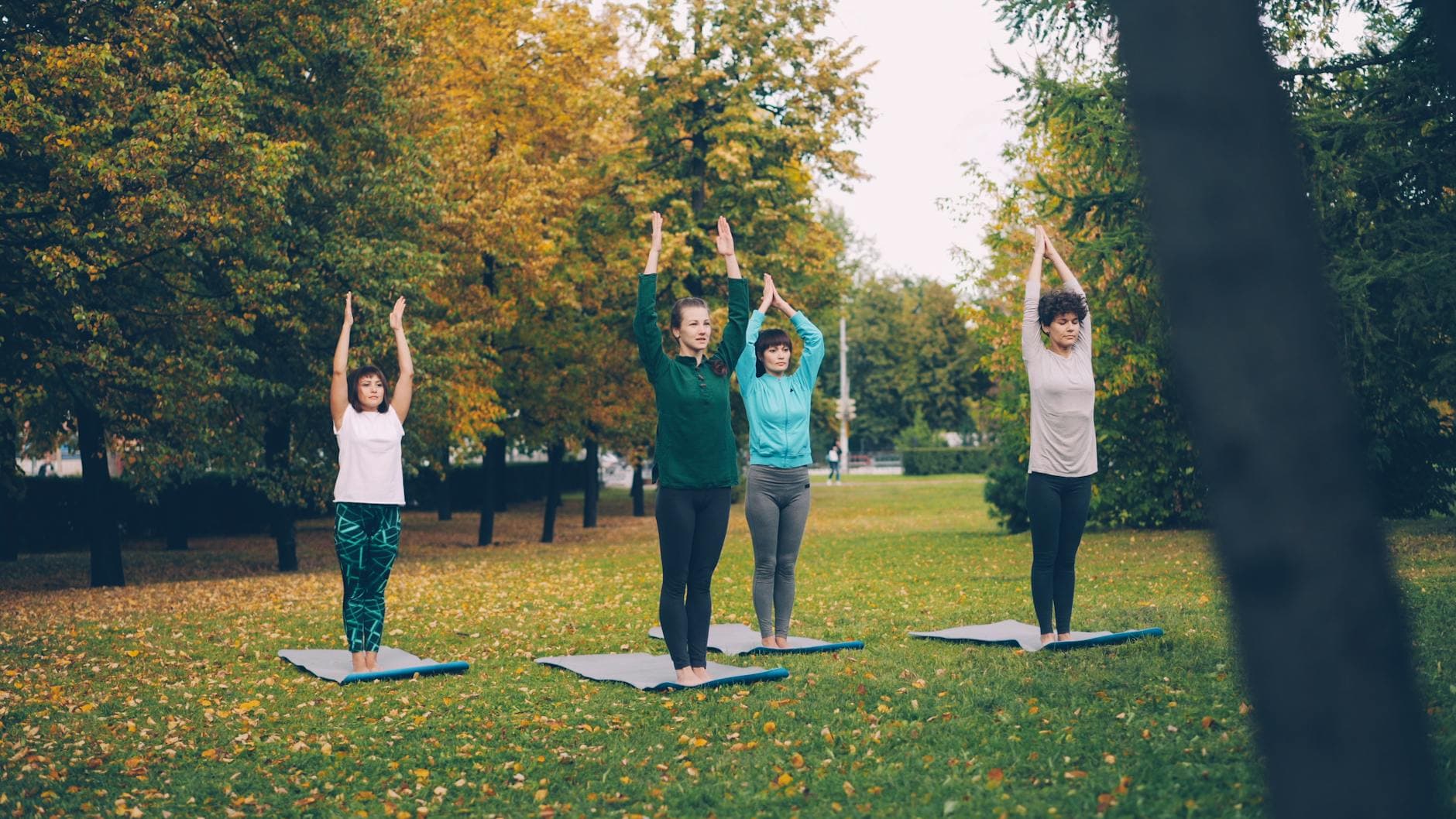
The sun, a warm caress on your skin, the gentle rustle of leaves overhead, a symphony of birdsong accompanying your breath. This isn't just a daydream; it's the magic of **outdoor yoga beginner** practice. Honestly, I used to think yoga was solely an indoor pursuit, confined to studios with hushed tones and the faint scent of incense. But then I discovered the sheer, unadulterated joy of unrolling my mat on the grass, feeling the earth beneath me, and letting the elements guide my flow. It's a revelation, and I'm so excited to share it with you.
The Untamed Beauty of Outdoor Yoga
There's something profoundly grounding about practicing yoga outside. It’s not just about the physical postures; it's about connecting with nature in a way that an indoor setting simply can't replicate. The fresh air fills your lungs, the natural light invigorates your senses, and the vastness of the sky above can make your worries feel so much smaller. For anyone new to yoga, the idea of stepping outside might seem a little daunting. You might wonder about the right spot, the weather, or even what to wear. But here's the thing: outdoor yoga for beginners is incredibly accessible and deeply rewarding.
Finding Your Sacred Space
Parks and Public Spaces
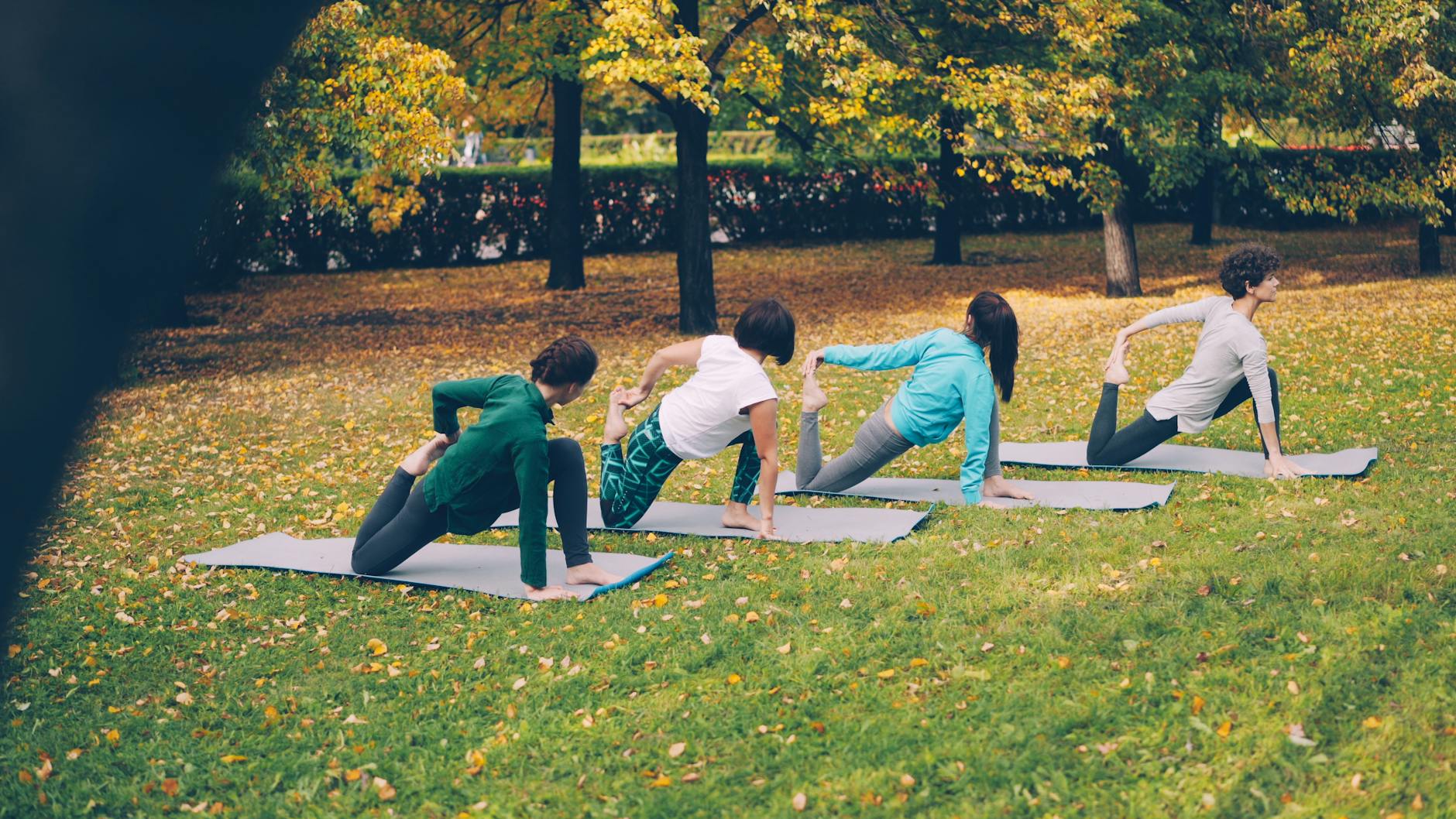
Think about the last time you saw a beautiful park and imagined practicing there. A local park is often the perfect starting point for your beginner outdoor yoga adventure. Look for a relatively flat, open area away from busy paths. Early mornings or late afternoons tend to be quieter, offering you more peace and privacy. My first few times, I’d scout out a spot the day before, just to get a feel for it.
Your Own Backyard or Balcony
Don’t underestimate the power of your own personal oasis. Even a small patch of grass in your backyard or a quiet corner of your balcony can transform into your personal yoga studio. The convenience is unmatched, and you can practice in your pajamas if you feel like it! This is especially great for those first outdoor yoga sessions.
Embracing the Elements
The Gentle Breeze
A slight breeze can actually enhance your practice, providing a natural cooling effect and a gentle reminder to stay present. If it gets a little gusty, sometimes a few well-placed rocks around your mat can help keep it in place. It’s all part of the adventure!
The Warm Sun
Soaking in the sun's rays while in Savasana is pure bliss. Just be mindful of the intensity of the sun, especially during peak hours. Sun salutations feel particularly potent when you're literally greeting the sun!
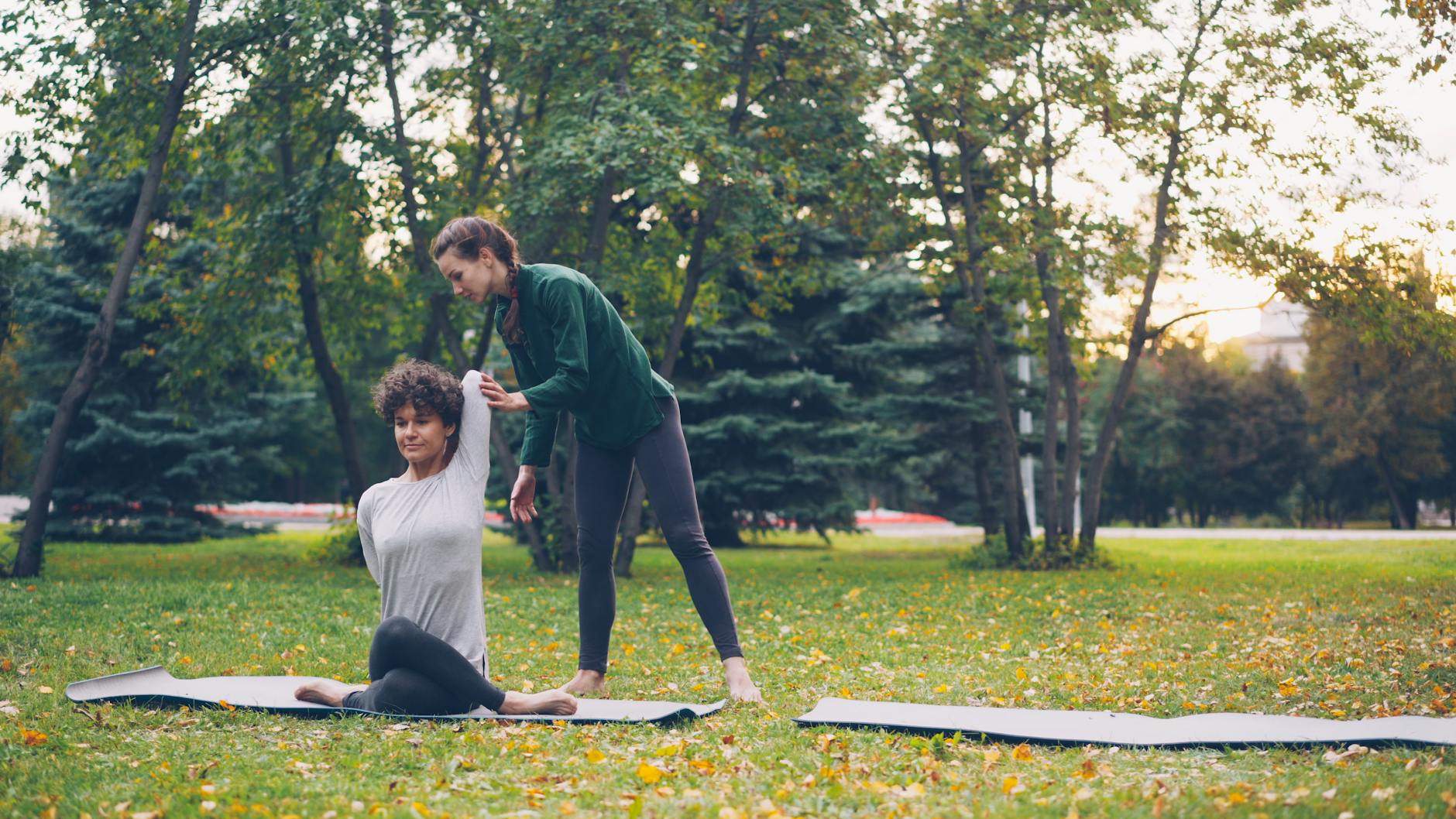
Getting Started: Your First Outdoor Yoga Session
The thought of your first outdoor yoga session might bring up a few questions, and that's completely normal. I remember being a complete novice, worrying about everything from bugs to falling over in front of strangers. But the reality is far gentler, and the rewards are immense. This is where the beauty of beginner outdoor yoga truly shines.
What to Bring: Your Essential Toolkit
The Right Yoga Mat
This is crucial. While a standard yoga mat works, for practicing on grass, you might want something with a bit more cushioning or grip. A thicker mat can be a lifesaver for comfort, especially on uneven terrain. Some people even use a yoga towel over their mat for extra grip and sweat absorption, especially if it’s a humid day. Consider a mat designed for outdoor use if you plan to do this often.
Comfortable, Breathable Clothing
Here's where you can really let loose. Think loose-fitting, breathable fabrics that allow for a full range of motion. Layers are your friend, especially in the shoulder seasons. You might start a bit chilly but warm up quickly. Natural fibers like cotton or bamboo are excellent choices. Avoid anything too restrictive that will pull or bind as you move. For may outdoor yoga, lighter layers are perfect.
Hydration and Sun Protection
Don't forget to bring water! Staying hydrated is always important, but even more so when you're outdoors. A reusable water bottle is a must. And if you're practicing during the sunnier parts of the day, a wide-brimmed hat and some natural sunscreen are wise additions. I’ve learned this the hard way after a few too many pink shoulders!
Essential Beginner Yoga Poses Outside
You don't need to be an expert to enjoy yoga outside. In fact, many of the foundational poses feel even better when you're connected to the earth. Here are a few to get you started:
Mountain Pose (Tadasana)
Stand tall, feet hip-width apart, grounding down through your feet. Feel the earth supporting you. This is the foundation of so many standing poses and a great way to simply be present.
Downward-Facing Dog (Adho Mukha Svanasana)
This is a classic for a reason. It stretches your hamstrings, calves, and shoulders, and invigorates the body. On the grass, you might find a little extra cushioning for your hands and feet.
Child's Pose (Balasana)
A beautiful resting pose. Kneel on your mat, bring your big toes to touch, and widen your knees. Fold your torso forward, resting your forehead on the mat. It’s a moment of surrender and peace.
Warrior II (Virabhadrasana II)
This pose builds strength and stability. Step your feet wide, turn one foot out, and bend the front knee. Extend your arms out to the sides. Feeling the ground beneath your feet as you hold this strong stance is incredibly empowering. It’s a great pose to practice when you're exploring yoga outside for beginners.
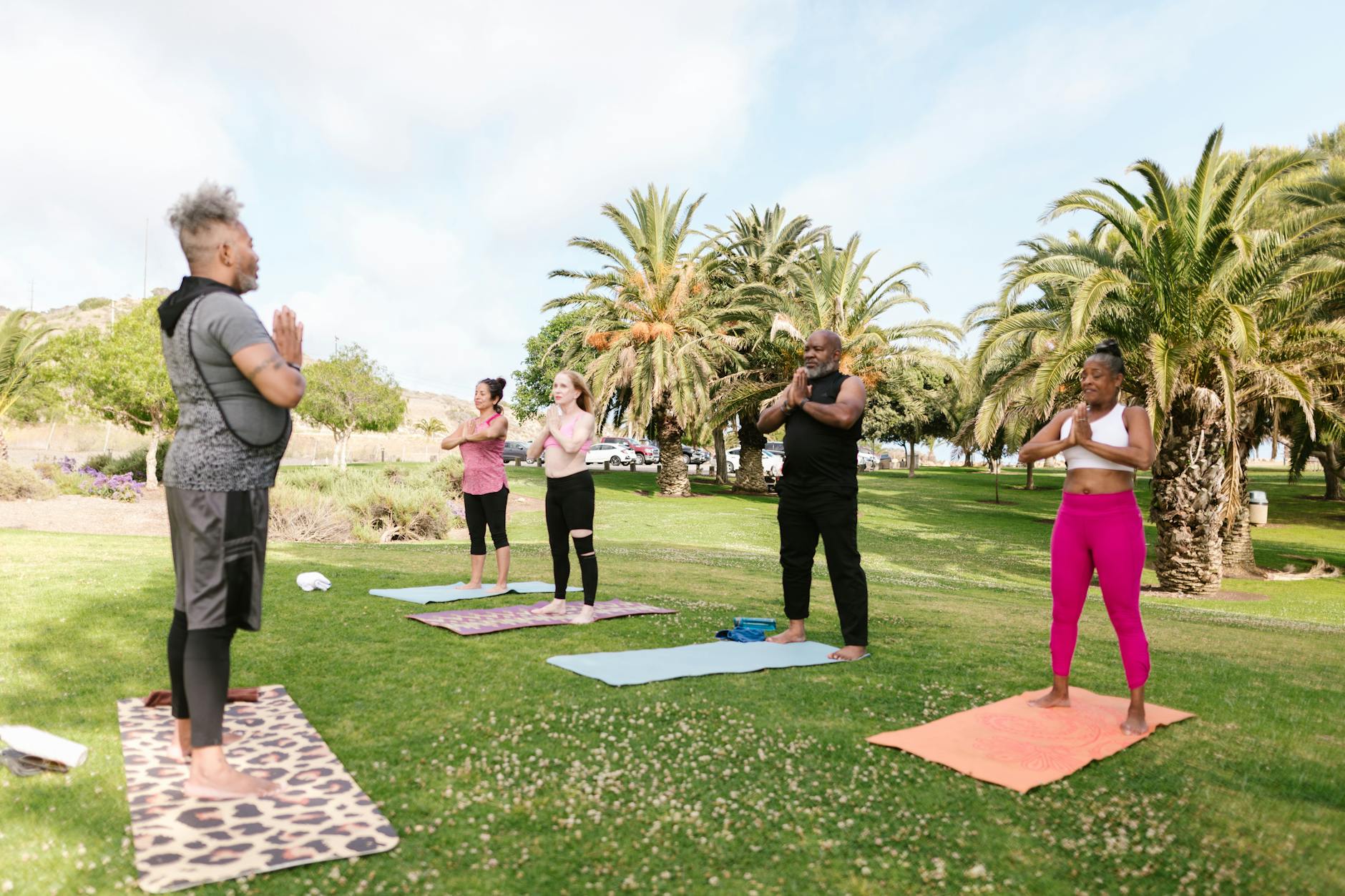
The Surprising Benefits of Outdoor Yoga
You might be thinking, "Is it really that different from practicing indoors?" The answer, I've found, is a resounding yes. The benefits extend far beyond just a change of scenery. It’s a holistic experience that nourishes mind, body, and soul. The Centers for Disease Control and Prevention research on outdoor yoga beginner practices consistently highlights its positive impact on well-being.
A Boost for Your Mood and Mind
Vitamin D and Fresh Air
Exposure to sunlight naturally boosts your body's Vitamin D levels, which are linked to improved mood and energy. The fresh air, free from recycled indoor air, can feel incredibly revitalizing. Studies published on the National Institutes of Health website often point to the mental health benefits of spending time outdoors.
Mindfulness and Presence
The natural world has a way of pulling you into the present moment. The sounds, sights, and smells of your surroundings encourage a deeper sense of mindfulness. You become more aware of your breath, your body, and the subtle shifts in nature around you. This can be incredibly beneficial for stress reduction.
Physical Enhancements
Sensory Engagement
Practicing on uneven surfaces like grass can subtly challenge your balance and engage smaller stabilizing muscles in your feet and ankles. This can lead to improved proprioception – your body's awareness of its position in space. It’s a gentle yet effective way to build resilience. This is a fantastic aspect of beginner outdoor yoga that many don't realize.
Deeper Connection to Nature
There’s a profound sense of connection that comes from practicing yoga outdoors. You're no longer just in a room; you're part of a larger ecosystem. This connection can foster a sense of gratitude and awe, enhancing your overall well-being. It makes you appreciate the simple things, like the feeling of the earth. For those looking for how to start outdoor yoga, this connection is a primary draw.
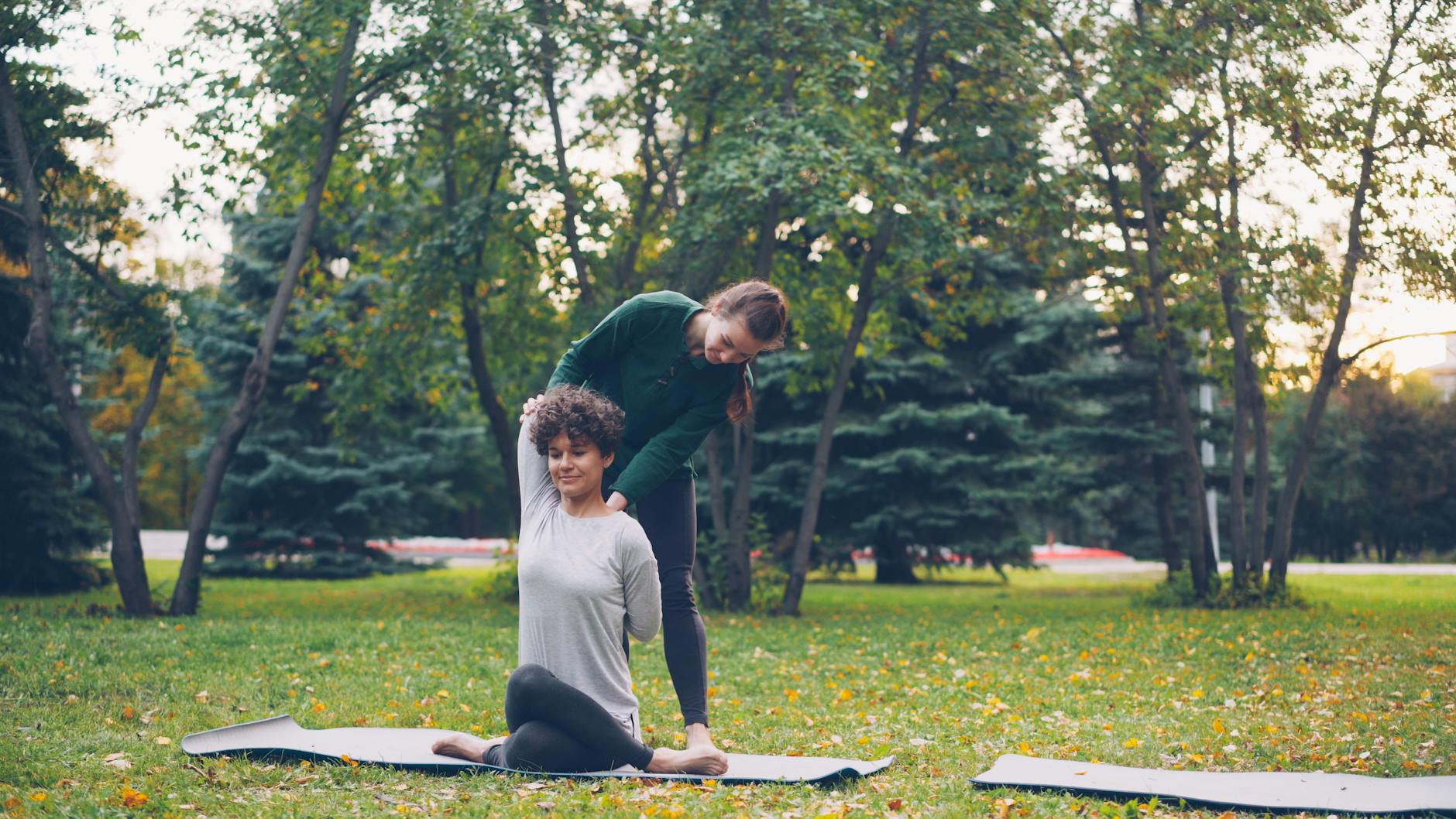
Making the Most of Your Outdoor Yoga Experience
Once you've had your first taste of yoga outside for beginners, you'll likely want to incorporate it more regularly. Here are a few tips to elevate your outdoor practice and ensure it remains a joyful and sustainable habit.
Timing is Everything
Sunrise and Sunset Sessions
These are often the most magical times for outdoor yoga. The light is soft and beautiful, and the temperatures are usually pleasant. A sunrise practice can set a positive tone for your entire day, while a sunset session offers a peaceful way to unwind. Think of it as a natural start or end to your daily workout plan.
Dealing with Weather Quirks
Don't let a little rain or wind deter you entirely. A light drizzle can be incredibly refreshing, and a slightly breezy day can add an element of challenge. However, always prioritize safety. If there's lightning or heavy storms, it’s best to move indoors. For spring yoga outdoors, being prepared for variable weather is key.
Beyond the Mat: Expanding Your Practice
Mindful Walking and Exploration
After your practice, take a few moments to simply walk around your chosen spot. Notice the details – the texture of the leaves, the shapes of the clouds, the sounds of the birds. This mindful exploration deepens your connection to the environment.
Community and Connection
Many communities offer outdoor yoga classes, especially in the warmer months. Participating in a group class can be a wonderful way to meet like-minded people and share the joy of outdoor yoga. It’s a fantastic way to experience may outdoor yoga with others.
Exploring Different Environments
Once you're comfortable, venture out! Try practicing by a lake, on a beach, or even in a quiet forest clearing. Each new environment offers unique sensory experiences and a fresh perspective. For example, the sound of waves crashing can be incredibly meditative during your practice.
The Joy of the First Outdoor Yoga
I'll be real with you: my first few attempts at outdoor yoga were a little clumsy. I worried about ants, fumbled with my mat, and felt self-conscious. But the sheer joy of feeling the sun on my face during Savasana, the grounding sensation of the earth beneath my feet, and the symphony of nature around me quickly overshadowed any initial hesitations. It’s a simple shift, but it can profoundly change your relationship with yoga and with the world around you. This is especially true for the first outdoor yoga experience.
So, if you've been curious about taking your yoga practice beyond the studio walls, I urge you to give outdoor yoga beginner sessions a try. Find a quiet spot, unroll your mat, and simply breathe. You might just discover a whole new dimension to your practice, one that feels as natural and essential as the air you breathe.