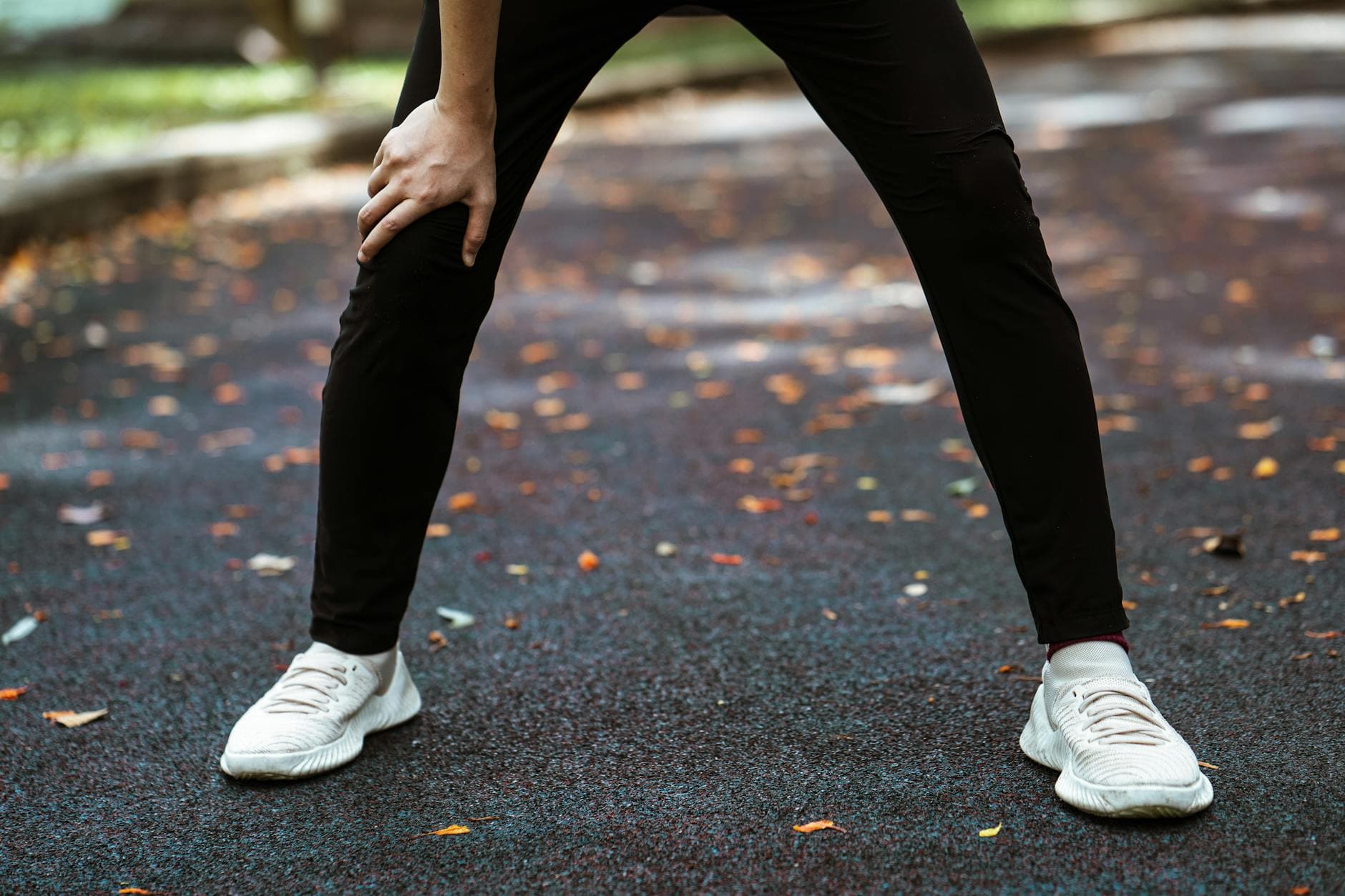
There's a common belief out there that if your knees hurt, you should just rest them. Stop moving, ice it, and wait for the pain to magically disappear. Honestly, that's often the worst thing you can do. While rest has its place, especially after an acute injury, prolonged inactivity can actually weaken the muscles that support your knee, making it more prone to future pain. True, sustainable knee pain relief exercises come from strengthening, mobilizing, and understanding what your body needs. I've seen it time and time again – people who are afraid to move their knees end up with stiffer, more painful joints. Let's talk about how to get yours moving better.
The Winter Hangover: Tackling Post-Winter Knee Pain
You've probably noticed it. As the weather warms up, and we all want to get back outside, those achy knees start to make themselves known. Winter often means less movement, more time spent sedentary, and for some, a definite increase in stiffness. This is where post-winter knee pain can really hit hard. The muscles that normally cushion and support your knee might have gone a bit dormant, and suddenly, that first hike or even a brisk walk feels like a challenge.
Why Winter Makes Knees Grumpy
During colder months, we tend to decrease our physical activity. This leads to reduced blood flow to the muscles and joints, which can cause them to become tight and less flexible. Think of it like a car engine that hasn't been run in a while – it's a bit sluggish to start. Your knees, especially if you're prone to stiffness or have underlying conditions like mild arthritis, will feel this lack of use keenly.
Reawakening Your Knees Safely
The key here is gentle reactivation. You don't want to jump straight into high-impact activities. Instead, focus on exercises that gradually increase range of motion and activate the supporting muscles. This is where recovering from winter knee pain really begins – with a smart, progressive approach.
Strengthening for Sustainable Knee Health
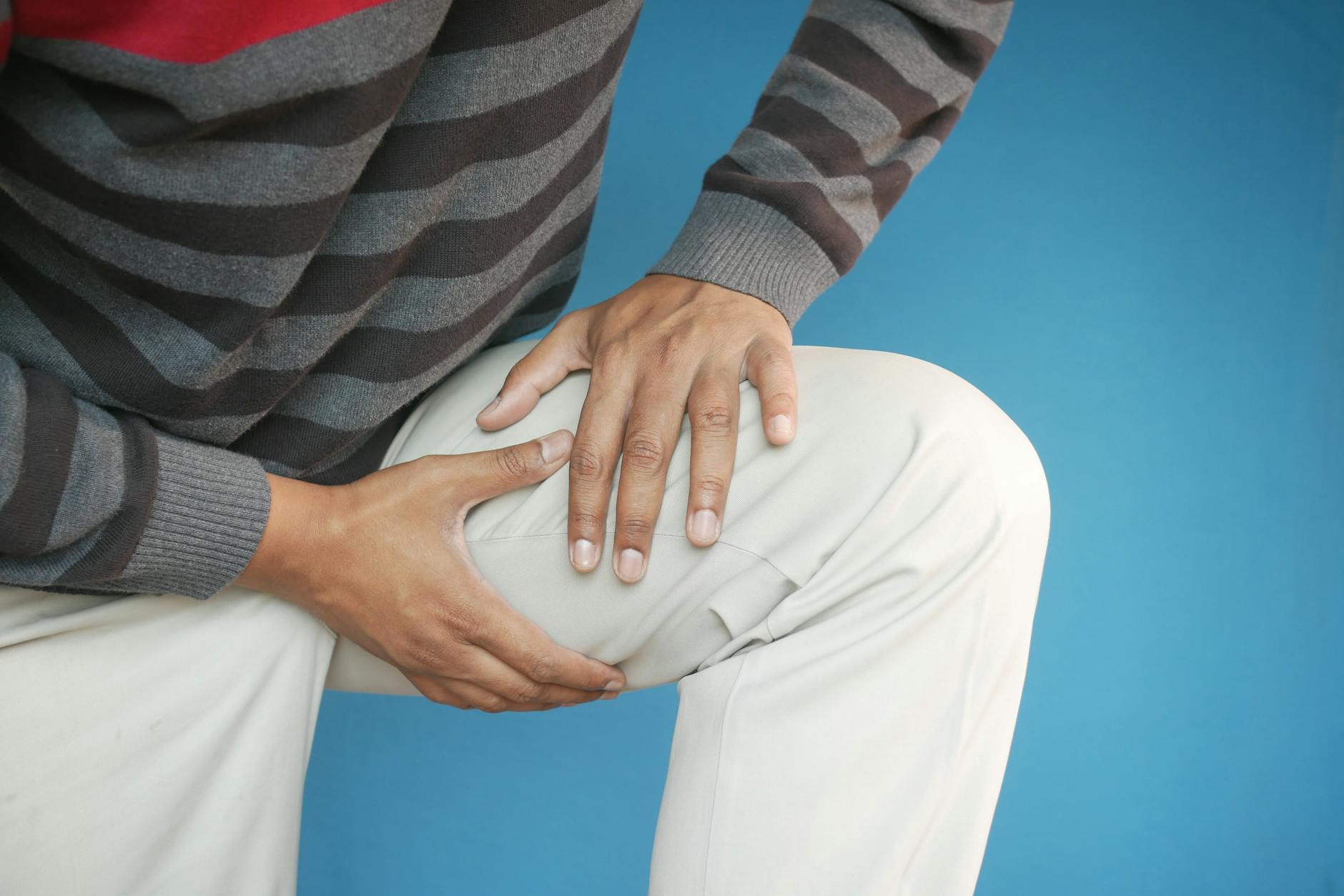
This is the core of my philosophy when it comes to managing knee pain. We need to build a robust support system around the knee joint. Stronger quadriceps, hamstrings, glutes, and even calf muscles all play a crucial role in absorbing shock and stabilizing the knee during movement. Without this foundation, your knee is left to bear the brunt of every step, jump, and twist.
The Power of the Quadriceps
Your quads are the large muscles on the front of your thigh. They are essential for extending your knee and for absorbing impact when you land. Weak quads mean your knee joint itself has to take more of a beating.
Quad Sets
This is a fundamental exercise, almost too simple to seem effective, but it's brilliant for activating the quad muscle. Lie on your back with your legs extended. Tighten the muscle on the front of your thigh, pushing the back of your knee down into the floor. Hold for 5-10 seconds, then relax. Repeat 10-15 times.
Straight Leg Raises
Still lying on your back, bend one knee and place your foot flat on the floor. Keep the other leg straight. Now, lift the straight leg about 6-12 inches off the ground, keeping your quad tight. Slowly lower it back down. Aim for 10-15 repetitions per leg. This is a fantastic exercise for building strength without putting direct pressure on the knee joint itself. You can find more great ideas for rebuilding strength post-winter in a Bodyweight Strength Reset: Rebuild Power Post-Winter.
Hamstring and Glute Activation
Don't forget the muscles behind your thigh (hamstrings) and your butt (glutes). These muscles work in tandem with your quads to control knee movement and provide stability. When they're weak, your knee can buckle or move in ways it shouldn't.
Bridges
Lie on your back with knees bent, feet flat on the floor, hip-width apart. Squeeze your glutes and lift your hips off the floor until your body forms a straight line from shoulders to knees. Hold for a few seconds, then slowly lower. Do 10-15 reps. This targets both your glutes and hamstrings.
Heel Slides
This is another great one for hamstring engagement and gentle knee flexion. Lie on your back with legs extended. Slowly slide the heel of the affected leg towards your buttock, bending your knee as much as is comfortable. Hold for a moment, then slowly slide it back down. Repeat 10-15 times.
Mobility and Flexibility for Supple Knees
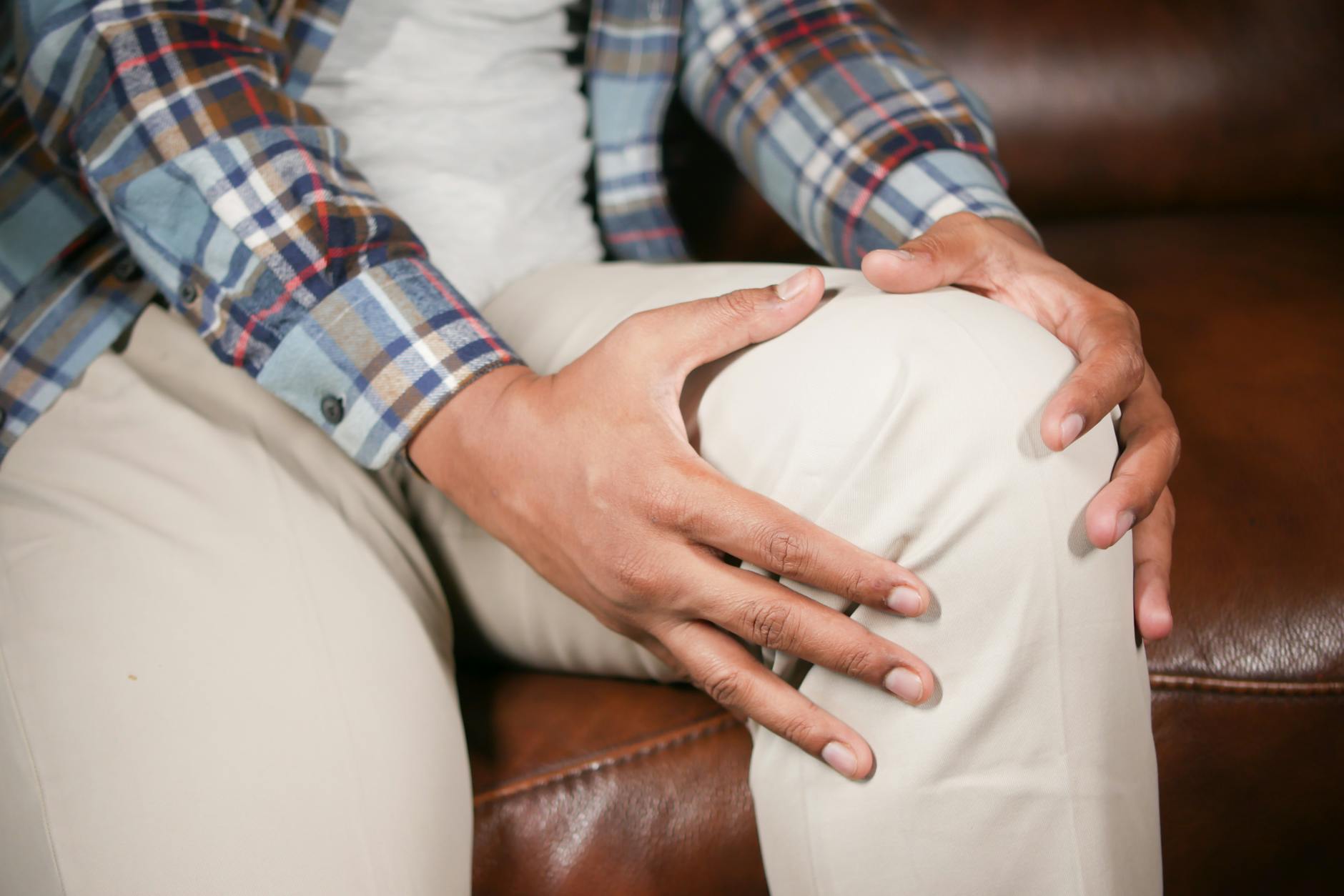
Beyond just brute strength, your knees need to be able to move through their full, healthy range of motion. Stiffness is a major contributor to knee pain, especially for those dealing with conditions like arthritis or the lingering effects of inactivity. Improving mobility can significantly enhance your quality of life and unlock better performance for athletes.
Gentle Range of Motion Exercises
These exercises are designed to gently move the knee joint without causing pain. The goal is to lubricate the joint and prevent it from becoming more rigid.
Knee Bends (Seated or Standing)
Sit on a chair with your feet flat on the floor. Slowly extend one leg straight out in front of you as far as comfortable, then slowly bend it back. Repeat 10-15 times. If standing, you can do this by holding onto a wall or chair for support, gently bending and straightening one knee. This is a foundational movement for exercises for stiff knees.
Ankle Pumps
While simple, this can help with circulation and reduce swelling around the knee. While sitting or lying down, point your toes away from you, then pull them back towards your shin. Repeat 15-20 times. This might seem unrelated, but healthy ankles contribute to healthy knees.
Stretching for Relief
Tight muscles around the knee can pull on the joint and cause pain. Gentle stretching can release this tension.
Hamstring Stretch (Lying Down)
Lie on your back and loop a towel or strap around the ball of one foot. Keeping the leg as straight as possible, gently pull the towel to lift your leg towards the ceiling until you feel a stretch in the back of your thigh. Hold for 20-30 seconds, then repeat on the other leg. This is a key part of at-home knee pain relief.
Calf Stretch
Stand facing a wall, place your hands on it for support. Step one foot back, keeping the back leg straight and the heel on the ground. Lean forward slightly until you feel a stretch in your calf. Hold for 20-30 seconds, then switch legs. Tight calves can affect how your knee tracks.
Knee Exercises for Athletes and Active Lifestyles
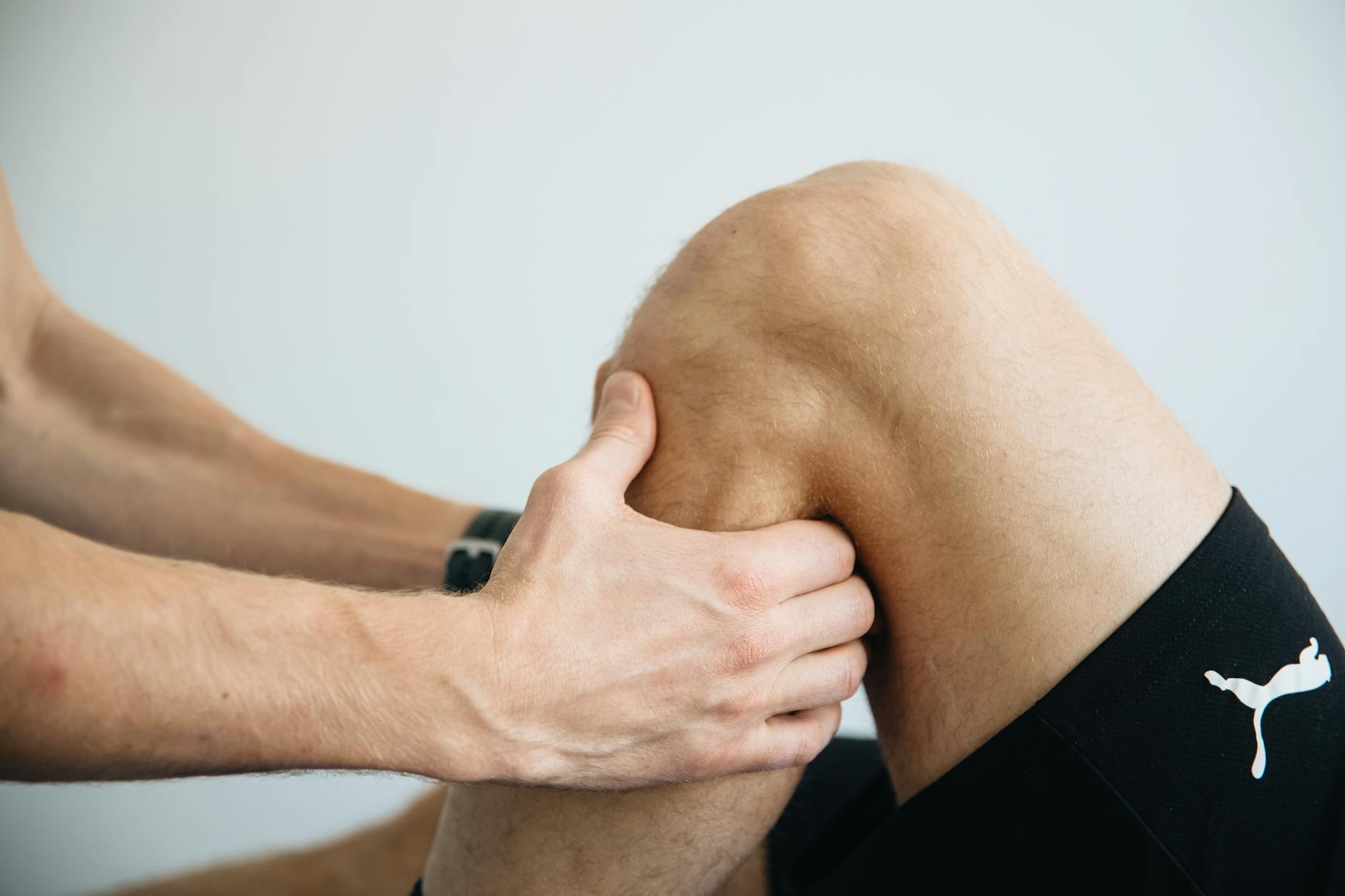
Whether you're a seasoned runner, a weekend warrior, or just someone who loves to be active outdoors, your knees take a beating. The good news is that targeted exercises can help you perform better and stay injury-free. For athletes, knee exercises for athletes are not an optional add-on; they're a necessity.
Preventing Spring Injuries
As the weather improves, many of us are eager to get back to our favorite outdoor activities. This is prime time for preventing knee pain spring. The transition from indoor, less active months to outdoor, higher-impact activities needs to be managed carefully.
The Couch to 5K Transition
If you're looking to get back into running, a program like Couch to 5K Spring: Your Beginner's Outdoor Running Plan is ideal. It gradually builds your running endurance, allowing your knees to adapt without being overloaded. It’s a smart way to approach knee pain exercises running by building a solid base.
Strength and Stability for Performance
Athletes need their knees to be strong, stable, and resilient. This means incorporating exercises that challenge the knee in multiple planes of motion.
Lunges
Forward lunges, reverse lunges, and lateral lunges are all excellent for building strength and improving balance. Step forward (or backward, or to the side) into a lunge, keeping your front knee behind your toes and your torso upright. Push back to the starting position. Aim for 10-12 reps per leg.
Squats (with proper form)
Bodyweight squats are foundational. Focus on pushing your hips back as if sitting into a chair, keeping your chest up and your knees tracking over your toes. Go as deep as comfortable. For added challenge, consider goblet squats or even Bulgarian split squats. These are excellent strengthening exercises for knee pain when done correctly.
Plyometrics for Power (Use with Caution)
For more advanced athletes, plyometric exercises can improve explosive power, which is crucial for sports. However, these should only be introduced once a solid foundation of strength and mobility is established. Examples include jump squats and box jumps. These are advanced knee pain relief exercises and require careful progression.
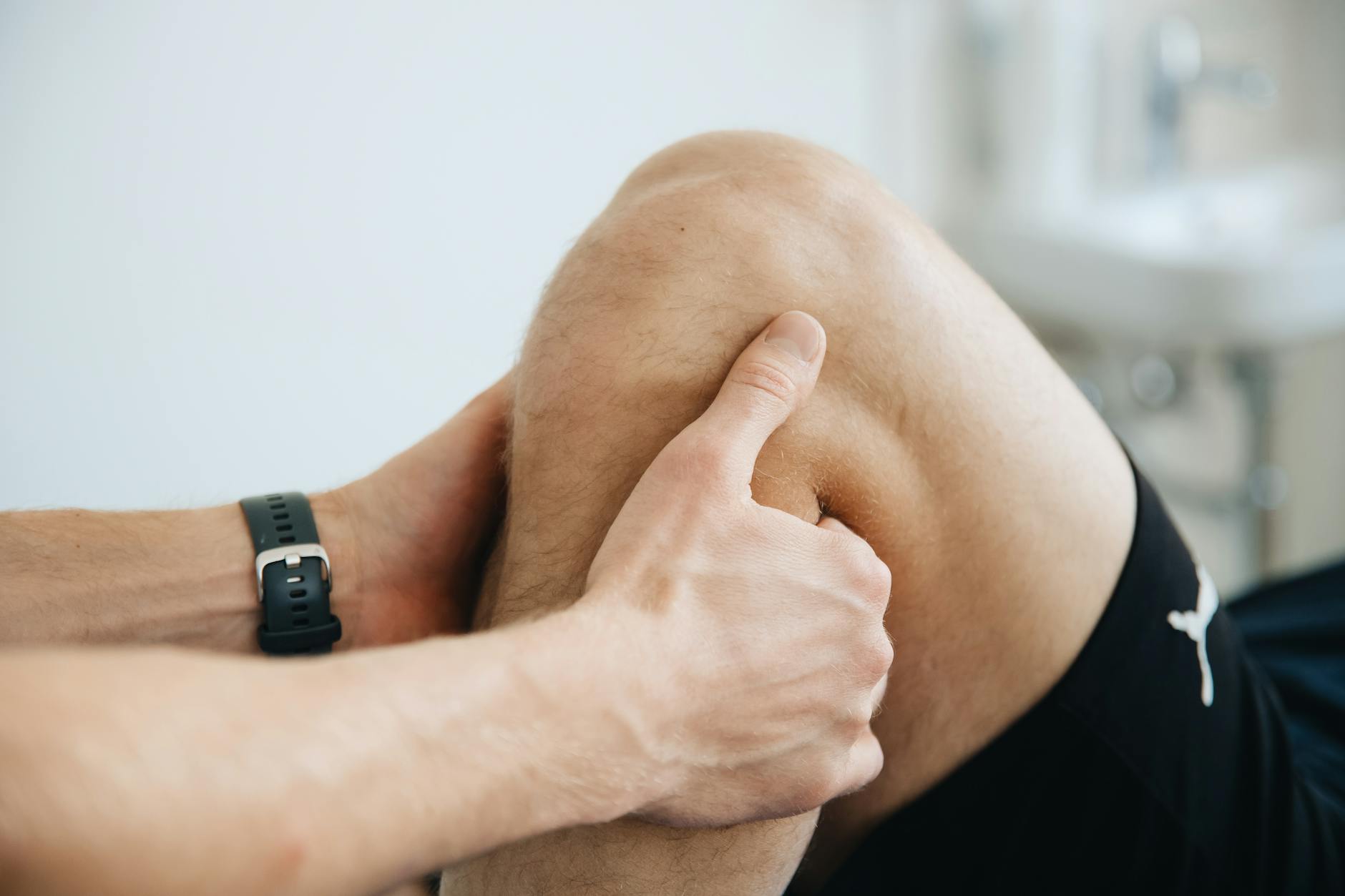
Understanding Knee Pain: Beyond Just Exercises
While I'm a huge advocate for knee pain relief exercises, it's important to remember that they are part of a bigger picture. Sometimes, pain is a signal that something more significant is going on, and it's always wise to consult a healthcare professional if your pain is severe, persistent, or accompanied by swelling or instability.
The Role of Diet and Inflammation
What you eat can significantly impact inflammation throughout your body, including in your joints. An anti-inflammatory diet, rich in fruits, vegetables, and healthy fats, can complement your exercise routine. Conversely, processed foods and excessive sugar can exacerbate inflammation.
When to Seek Professional Help
I'll be real with you – I'm not a doctor. If you experience a sudden, sharp pain, a popping sensation, significant swelling, or can't bear weight on your leg, you need to see a medical professional. They can diagnose the underlying cause, whether it's a meniscus tear, ligament sprain, or something else entirely. They can then guide you on the best course of treatment, which might include physical therapy, and can advise on specific best knee exercises for arthritis if that's the diagnosis.
Research Backs This Approach
Numerous studies, including those available through the National Institutes of Health research on knee pain relief exercises, highlight the effectiveness of exercise in managing chronic knee pain, particularly osteoarthritis. Similarly, Harvard Health research on knee pain relief exercises often emphasizes the importance of strengthening and mobility work.
Listen to Your Body – It's Smarter Than You Think
This is perhaps the most crucial piece of advice I can give you. Your body will tell you when you're pushing too hard. Pain is a signal, not a challenge to be overcome by sheer willpower alone. Learn to differentiate between muscle fatigue and joint pain. If an exercise causes sharp, stabbing, or worsening pain, stop. Modify it, or choose a different exercise. This mindful approach is key to long-term success with knee pain relief exercises.
Getting your knees back to a place where they don't dictate your life is absolutely achievable. It takes consistency, patience, and a willingness to move smarter, not just harder. Think about the last time you avoided an activity because of knee pain. Imagine that disappearing. That's the goal, and it starts with these focused, practical knee pain relief exercises. So, get moving, be kind to your joints, and enjoy the freedom of pain-free movement.