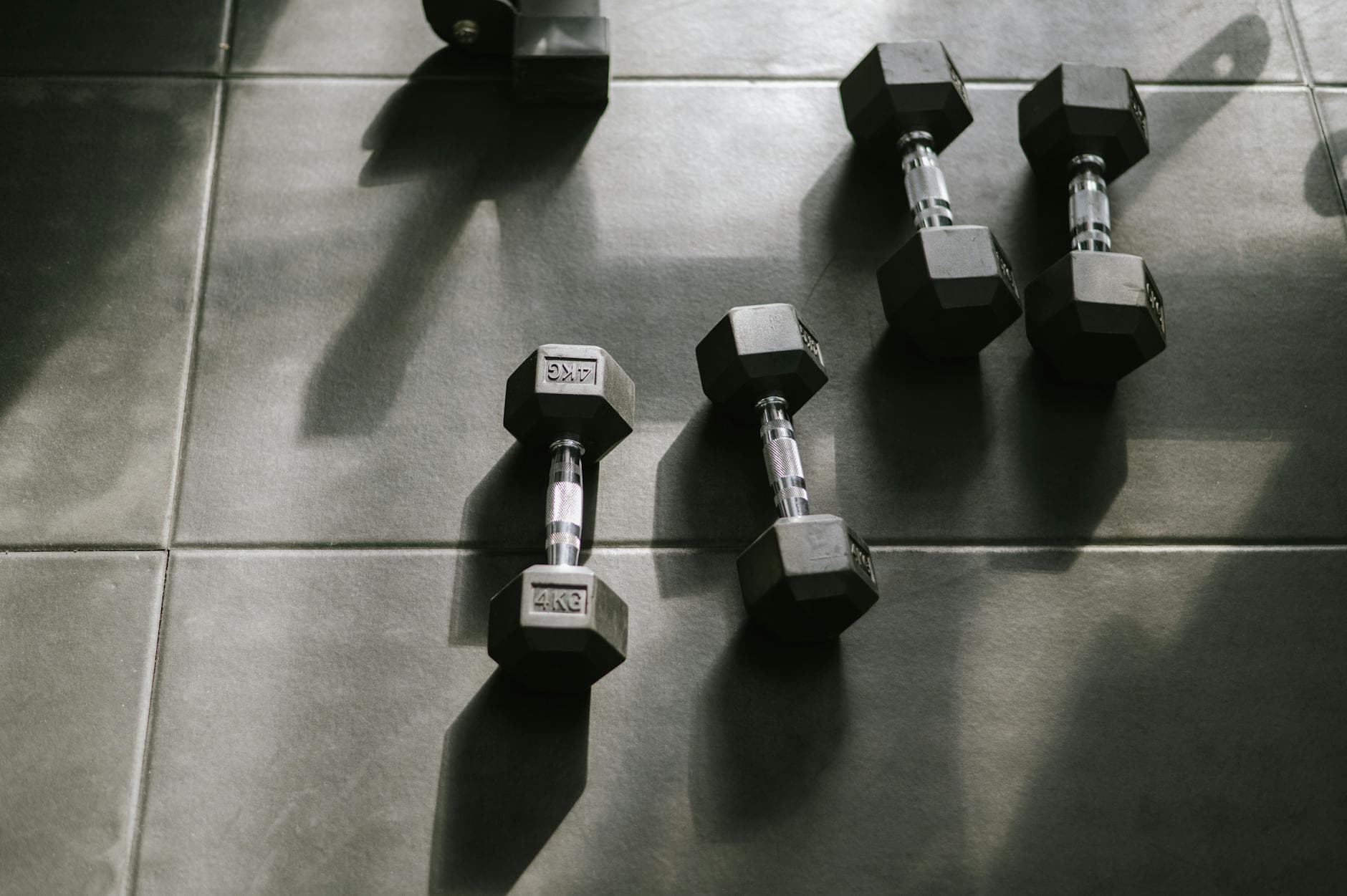
What if I told you that you could build real, functional strength, boost your metabolism, and feel better in your own skin, all without ever stepping foot in a crowded gym? What if the most effective path to a stronger you was already right there, within the four walls of your home? This isn't some far-off fantasy; this is the reality of achieving at home strength. I've seen it countless times, with people just like you, transforming their bodies and their confidence using nothing but their own determination and a few smart strategies.
The Underrated Power of At Home Strength Training
Why You Don't Need a Gym Membership
There's a common misconception that serious strength gains require heavy barbells and specialized machines. While those tools have their place, they are far from the only path to building muscle and getting stronger. The truth is, your body is an incredible piece of equipment all on its own. Learning to leverage your own bodyweight, or using simple, inexpensive tools, can unlock a potent level of strength training at home that often gets overlooked.
Beyond Aesthetics: The Functional Benefits
Sure, we all want to look good, but the benefits of building at home strength go much deeper. Think about everyday tasks: carrying groceries, lifting a child, or even just getting up from a chair. These all rely on fundamental strength. Developing this foundation at home makes your daily life easier and reduces your risk of injury. It's about building resilience and independence.
Consistency is Your Greatest Ally
Here's the thing about building strength: it’s a marathon, not a sprint. The most crucial element isn't the fancy equipment, but the consistent effort you put in. When you can train in the comfort and convenience of your own space, you remove many of the common excuses that derail progress. This accessibility is what makes home strength training so incredibly effective for long-term success.

Mastering Bodyweight Strength Training
The Foundation of No Equipment Strength
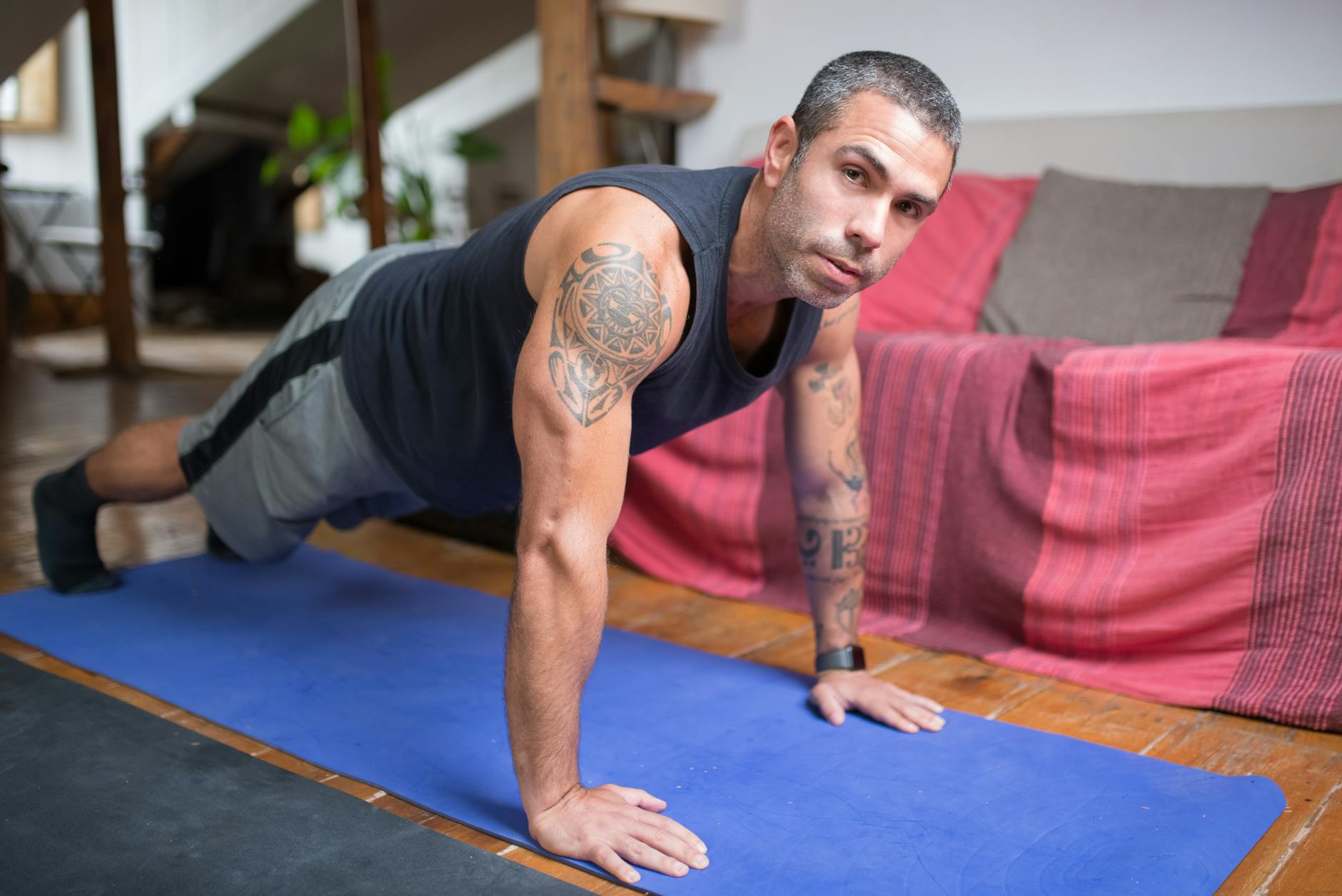
For many, bodyweight strength training is the gateway to building a strong physique without any external resistance. Exercises like push-ups, squats, lunges, and planks are incredibly versatile. They engage multiple muscle groups simultaneously, promoting functional strength and improving coordination. I used to think bodyweight exercises were only for beginners, but I quickly learned how challenging and effective they can be when you start manipulating tempo, reps, and variations.
Progressing Your Bodyweight Workouts
The key to continuous progress with bodyweight exercises is progression. You can't just do the same 10 push-ups forever and expect to keep getting stronger.
Here are a few ways to make your bodyweight workouts harder:
- Increase repetitions or sets.
- Slow down the tempo of your movements (e.g., a 3-second descent on a squat).
- Introduce more challenging variations (e.g., from knee push-ups to standard push-ups, or even decline push-ups).
- Decrease rest times between sets.
Essential Bodyweight Strength Exercises for Home
When you're focusing on strength exercises for home, start with the basics. Squats are fantastic for your legs and glutes. Push-ups target your chest, shoulders, and triceps. Lunges build unilateral strength, which is crucial for balance. Planks are your best friend for core stability. Don't underestimate the power of these foundational movements; they are the building blocks for more advanced calisthenics and a solid at home strength base.
Adding Resistance: The Smart Way to Build Muscle at Home
When Bodyweight Isn't Enough
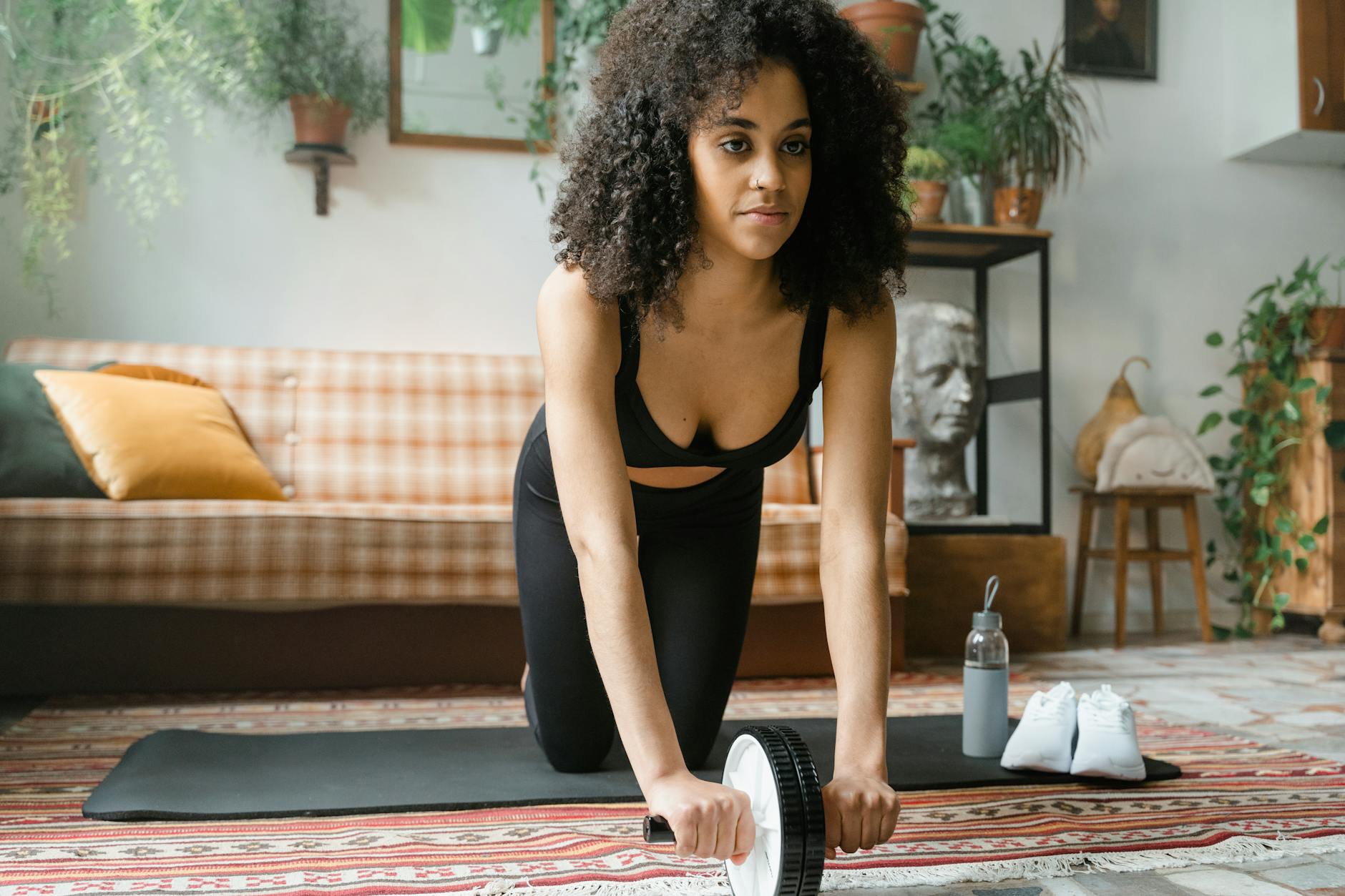
While bodyweight exercises are powerful, there comes a point where you'll want to add external resistance to continue challenging your muscles. This is where simple, affordable equipment can make a huge difference in your strength training at home journey. You don't need a full home gym to build muscle at home effectively.
Resistance Bands: Your Versatile Workout Partner
Resistance bands are, in my opinion, one of the most underrated pieces of home fitness equipment. They are incredibly portable, affordable, and offer a unique type of resistance that can effectively target nearly every muscle group. You can use them for everything from bicep curls and triceps extensions to adding resistance to squats and lunges. The tension increases throughout the movement, which can be fantastic for muscle activation. I’ve found that incorporating resistance band exercises into my routine has really helped me break through plateaus.
Dumbbell Workouts at Home: A Classic for a Reason
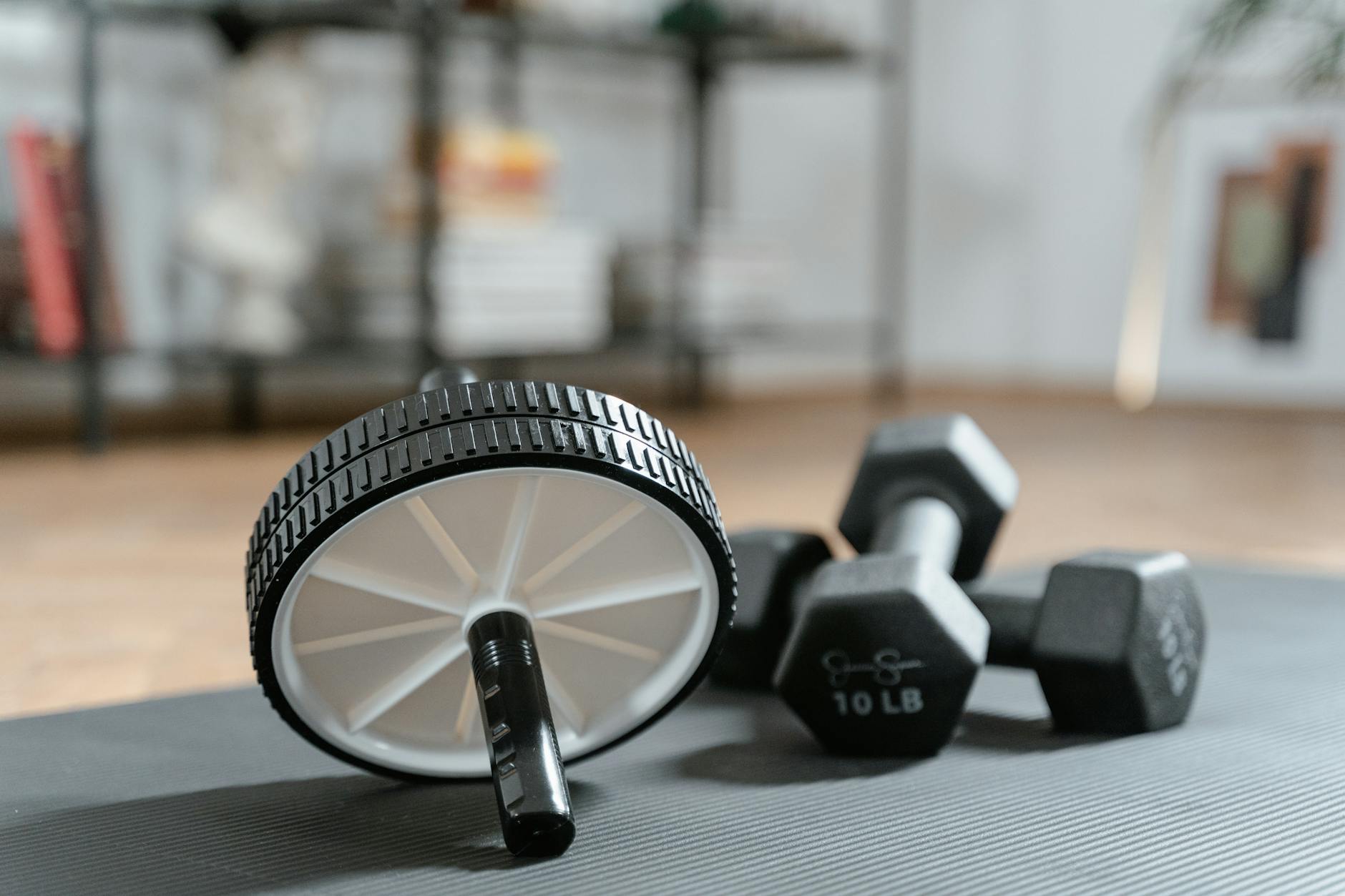
If you have the space and budget for a pair or two of dumbbells, they open up a world of possibilities for at home strength. Adjustable dumbbells are a great space-saving option. With just a few pairs, you can perform a vast array of exercises: dumbbell rows for your back, overhead presses for your shoulders, goblet squats for your legs, and countless others. Dumbbell workouts at home are a tried-and-true method for building significant muscle and strength. Think about the classic bench press, but with dumbbells, you can also do floor presses, which is a great alternative if you don't have a bench.
Crafting Your At Home Strength Training Routines
The Full Body Workout at Home Advantage
For many people, especially those starting out or with limited time, a full body workout at home is the most efficient approach. This means hitting all the major muscle groups in a single training session. This style of training is excellent for boosting your metabolism and ensuring you’re consistently stimulating muscle growth across your entire body. A well-designed full-body routine can also be incredibly time-efficient, often fitting within a 30-minute workout timeframe.
Sample Beginner Strength Training Split
If you're new to beginner strength training, consistency and proper form are paramount. A simple routine could involve training three days a week, with a rest day in between each session.
Here’s a basic structure:
- Day 1: Full Body A (e.g., Squats, Push-ups, Dumbbell Rows, Plank)
- Day 2: Rest or Active Recovery (e.g., a gentle walk, some stretching)
- Day 3: Full Body B (e.g., Lunges, Overhead Press, Glute Bridges, Bird-Dog)
- Day 4: Rest
- Day 5: Full Body A
- Day 6 & 7: Rest
Progression and Periodization for Long-Term Gains
Once you’ve established a solid foundation with your at home strength training, you’ll need to think about progression to avoid plateaus. This doesn't have to be complicated. Simply increasing the weight you lift, the number of reps you perform, or the difficulty of the exercise is a form of progression. Periodization, which involves varying your training intensity and volume over time, can also be highly beneficial for continued at home strength gains. For instance, you might have a few weeks where you focus on higher reps with lighter weight, followed by a few weeks of lower reps with heavier weight.
Beyond the Workout: Nutrition and Recovery for At Home Strength
Fueling Your Gains
Building muscle and strength isn't just about what you do during your workout; it's also about what you do outside of it. Proper nutrition is absolutely critical for supporting muscle growth and recovery. You need to provide your body with the building blocks it needs. This means ensuring adequate protein intake, consuming complex carbohydrates for energy, and not skimping on healthy fats. Think of your meals as the raw materials for your at home strength project.
The Importance of Rest and Sleep
You don't build muscle while you're lifting weights; you build it while you're resting. Sleep is when your body repairs muscle tissue and releases growth hormones. Aim for 7-9 hours of quality sleep per night. Active recovery, such as light walking or stretching, can also aid in muscle repair and reduce soreness. This often-overlooked aspect of strength training at home is just as important as the training itself. According to Mayo Clinic research on at home strength, consistent sleep patterns are vital for overall health and physical recovery.
Listening to Your Body
This one surprised me when I first started taking my training seriously: learning to listen to your body is a skill. Pushing through pain is not the goal; pushing your limits safely is. Understand the difference between muscle fatigue and actual pain. If something feels sharp or wrong, stop. Rest and recovery are non-negotiable components of any effective at home strength program. Ignoring these signals can lead to injuries that set you back significantly. The Harvard Health research on at home strength consistently highlights the importance of a balanced approach that includes rest.
Your At Home Strength Journey Starts Now
Making it Stick
The most powerful tool you have for building at home strength is your own mindset. It’s about making a commitment to yourself and understanding that every workout, every healthy meal, and every night of good sleep contributes to your progress. Don't aim for perfection; aim for consistency. Even on days when you don't feel like it, a short, effective workout is always better than nothing.
Embrace the Process
Building strength is a journey, and the path of strength training at home is incredibly rewarding. You’ll discover capabilities you never knew you had, and you’ll gain a confidence that extends far beyond your physical fitness. Remember the goal: to become a stronger, healthier, more resilient version of yourself, all from the convenience of your own space. The Centers for Disease Control and Prevention research on at home strength emphasizes the long-term health benefits of regular physical activity, and at-home training is a highly accessible way to achieve this.
The Final Word
Look, you don't need a fancy gym or a personal trainer on speed dial to achieve significant results. The power for incredible at home strength is already within you, waiting to be tapped. Start small, stay consistent, and trust the process. Your future, stronger self will thank you for it. Maybe you'll even find that these no equipment strength routines are all you ever need.