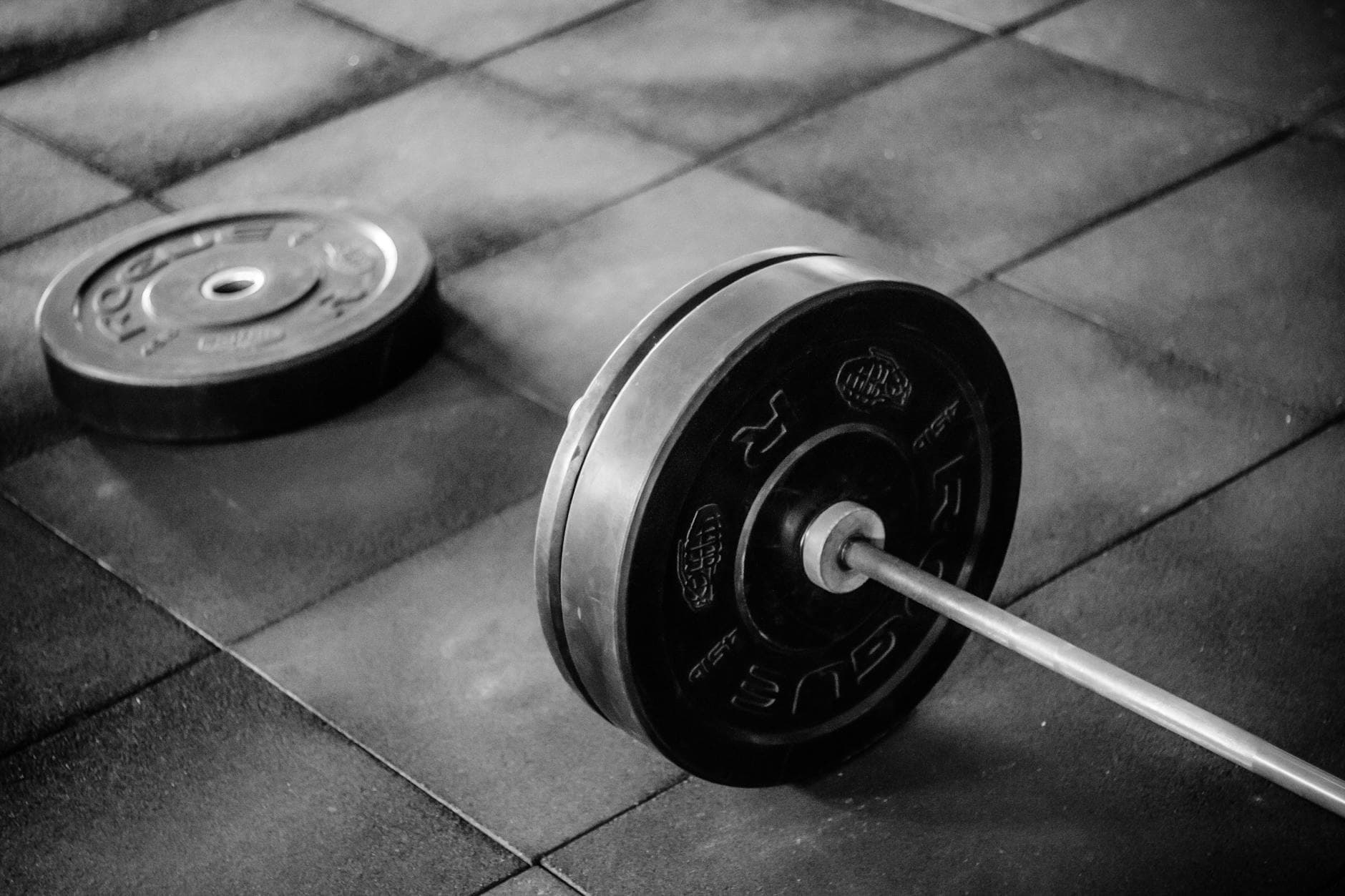
The air in the gym hangs thick with the scent of sweat and determination. You see it every day: someone pushing themselves through a brutal set of burpees, their face a mask of effort, or a group cheering each other on during a heavy barbell complex. This is CrossFit. And if you're here, you're probably wondering how to actually get started with a solid crossfit workout plan that doesn't feel like you're just guessing. I've been there. I remember my first few classes, feeling completely overwhelmed by the jargon, the movements, and the sheer intensity. But I also remember the incredible rush of accomplishment after hitting a new personal best or just surviving a particularly tough workout.
Building Your Foundation: A Smart CrossFit Workout Plan
This isn't about jumping into the deepest end of the pool on day one. A well-structured crossfit workout plan prioritizes safety, technique, and progressive overload. You wouldn't try to run a marathon without building up your mileage, and CrossFit is no different. Your initial focus should be on learning the fundamental movements correctly, building a base level of strength and cardiovascular fitness, and understanding how your body responds to different stimuli.
The Importance of Fundamentals
Before you even think about complex gymnastics or heavy Olympic lifts, you need to master the basics. This means squatting with proper form, mastering the deadlift and the overhead press, and developing proficiency in fundamental bodyweight movements like pull-ups and push-ups. This foundational strength is the bedrock upon which all future CrossFit progress is built.
Mastering the Squat
Whether it's a back squat, front squat, or overhead squat, the mechanics are crucial. Think about keeping your chest up, your back straight, and driving through your heels. I used to rush this, thinking more weight meant faster progress, but I paid for it with aches and pains. Proper squat form prevents injury and allows for greater strength gains long-term.
The Power of the Deadlift
This is arguably the most functional human movement. Learning to hinge at the hips, keeping your back neutral, and lifting with your legs and glutes is vital. A deadlift is more than just picking up a weight; it's a full-body demonstration of strength and coordination.
Progressive Overload: The Key to Getting Stronger
Simply doing the same workouts every week won't lead to significant improvements. Progressive overload means gradually increasing the demand on your body over time. This can be done by lifting more weight, doing more repetitions, increasing the number of sets, reducing rest times, or improving the quality of your movement. Your crossfit workout plan needs to incorporate this principle.
Increasing Intensity
If you completed 10 push-ups last week, aim for 12 this week. If you squatted 100 pounds for 5 reps, try for 105 pounds for 5 reps. Small, consistent increases are the name of the game.
Improving Technique
Sometimes, progress isn't about adding weight. It's about moving better. Refining your snatch technique or achieving a muscle-up demonstrates significant progress and allows you to handle heavier loads or more complex movements safely.

A Sample CrossFit Routine for Beginners
If you're new to CrossFit, you're probably looking for a straightforward crossfit routine for beginners. The goal here is to introduce you to the varied demands of CrossFit without overwhelming you. This sample plan focuses on building a broad base of fitness across strength, conditioning, and mobility.
Week 1-4: Building the Base
This initial phase is all about learning the movements and getting your body accustomed to the stimulus. Don't worry about speed or heavy weights. Focus on executing each movement with perfect form.
Day 1: Strength Focus (Lower Body & Core)
- Warm-up: 5-10 minutes of light cardio (rowing, jogging) followed by dynamic stretching (leg swings, arm circles, torso twists).
- Skill Work: Practice the Air Squat and Goblet Squat. Focus on depth and keeping your chest up.
- Strength:
- Back Squat: 5 sets of 5 repetitions (build to a moderate weight where you can maintain perfect form)
- Romanian Deadlift: 3 sets of 8 repetitions
- Plank: 3 sets, hold for 30-60 seconds
- Metcon (Metabolic Conditioning):
- 3 Rounds For Time:
- 10 Kettlebell Swings (moderate weight)
- 10 Push-ups (on knees if necessary)
- 200 Meter Row
- Cool-down: Static stretching, focusing on hamstrings, quads, and glutes.
Day 2: Rest or Active Recovery
Light activity like walking, foam rolling, or gentle stretching is beneficial here.
Day 3: Strength Focus (Upper Body & Core)
- Warm-up: Similar to Day 1, with an emphasis on upper body mobility (shoulder circles, scapular retractions).
- Skill Work: Practice the Push-up and Ring Row. Focus on controlled movement.
- Strength:
- Strict Press: 5 sets of 5 repetitions (build to a moderate weight)
- Dumbbell Bench Press: 3 sets of 8 repetitions
- Barbell Rows: 3 sets of 8 repetitions
- Sit-ups: 3 sets of 15 repetitions
- Metcon:
- AMRAP (As Many Rounds As Possible) in 12 minutes:
- 5 Pull-ups (use an assisted band if needed)
- 10 Dumbbell Thrusters (light weight)
- 15 Air Squats
- Cool-down: Static stretching, focusing on chest, shoulders, and back.
Day 4: Rest or Active Recovery
Day 5: Full Body & Conditioning
- Warm-up: Dynamic movements covering the whole body.
- Skill Work: Practice the Deadlift. Focus on hip hinge and neutral spine.
- Strength:
- Deadlift: 1 set of 5 repetitions (focus on perfect form with a moderate weight), followed by 2 sets of 8 repetitions with lighter weight.
- Metcon:
- For Time:
- 400 Meter Run
- 20 Burpees
- 400 Meter Run
- 20 Kettlebell Swings
- 400 Meter Run
- 20 Sit-ups
- Cool-down: Full body static stretching.
Day 6 & 7: Rest
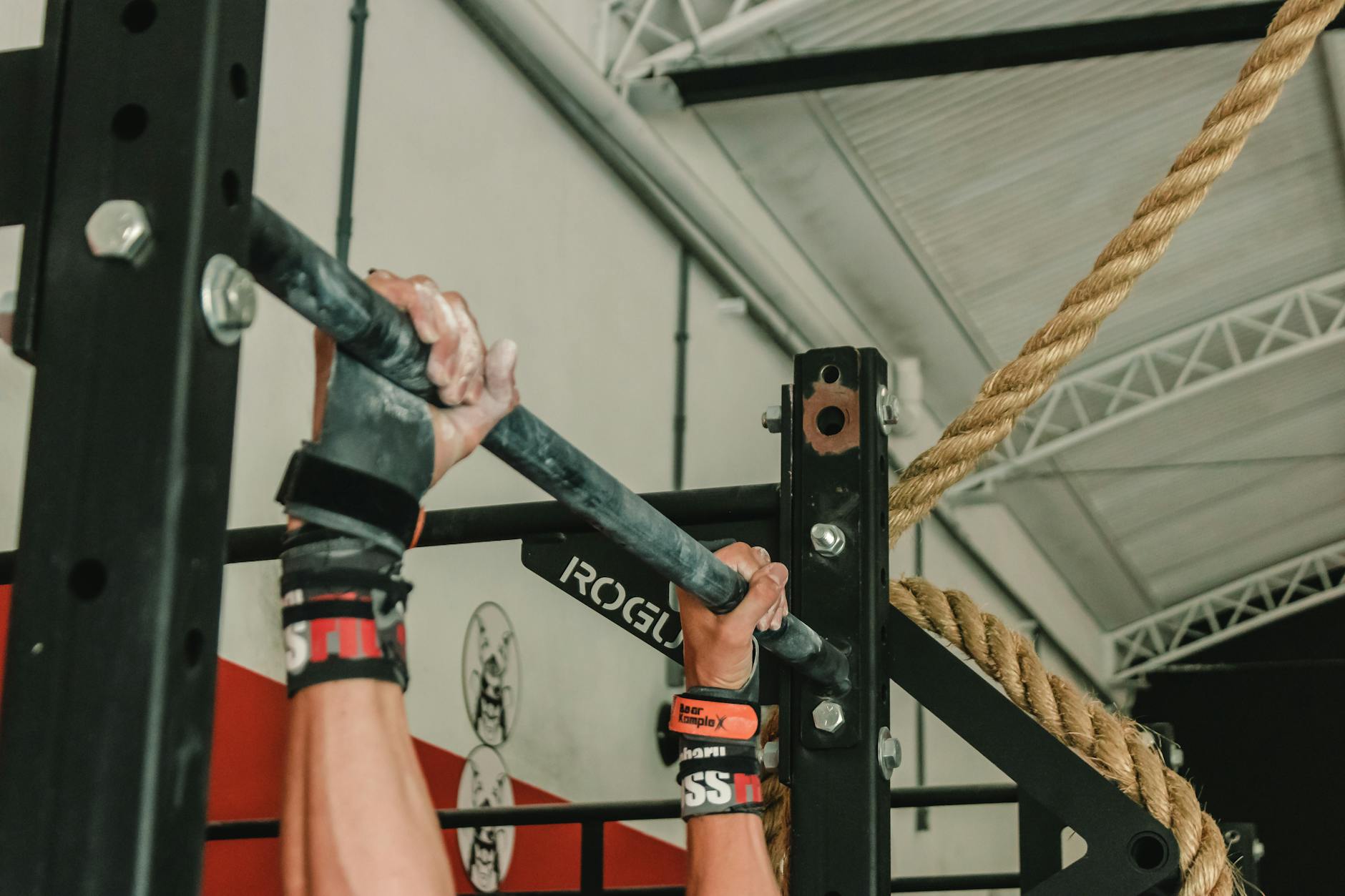
Understanding CrossFit Daily Workouts (WODs)
The heart of CrossFit lies in its constantly varied, high-intensity functional movements, commonly known as WODs (Workout of the Day). A good crossfit workout plan will expose you to a wide range of these. You'll encounter different formats: AMRAPs, For Time, EMOMs (Every Minute On the Minute), and Chippers.
Decoding the Acronyms
Don't let the alphabet soup intimidate you.
- AMRAP: This means you have a set amount of time (e.g., 15 minutes) to complete as many rounds or repetitions of a given set of exercises as possible. It’s a test of endurance and pacing.
- For Time: You'll complete a specific workout and your goal is to finish as quickly as possible. This tests your speed and efficiency.
- EMOM: You perform a specific exercise or set of exercises at the beginning of each minute and rest for the remainder of that minute. This builds consistency and forces you to manage your rest.
- Chipper: This is a workout with a long list of exercises and a high number of repetitions for each. You complete them in order, one after the other, often with a time cap.
The Role of Intensity
CrossFit WODs are designed to be challenging. The intensity comes from pushing yourself to a level where your heart rate elevates significantly and you feel a strong metabolic challenge. This doesn't mean going all-out every second of every workout, especially when you're starting. It means working at a pace that is demanding for *you*.
Listen to Your Body
This is crucial. If a WOD calls for 30 pull-ups and you can only do 5 strict ones, modify. Use an assisted band, do ring rows, or scale the movement to something you can perform safely and effectively. The goal is to get the intended stimulus, not to injure yourself trying to keep up with someone else.
Pacing is Key
You’ve probably noticed that some people blast off at the start of a WOD and then completely fade. Learning to pace yourself is a skill that develops over time. For longer WODs, breaking movements into smaller, manageable sets from the beginning can prevent burnout and allow you to maintain a more consistent pace.

Full Body CrossFit: Maximizing Efficiency
One of the beauties of CrossFit is its emphasis on full-body movements. A well-designed crossfit workout plan will incorporate exercises that engage multiple muscle groups simultaneously, leading to greater caloric expenditure and more efficient training sessions. This is where the magic of functional fitness truly shines.
Compound Movements: The Heavy Hitters
Think about the Olympic lifts (snatch, clean and jerk), powerlifts (squat, deadlift, bench press), and complex movements like thrusters or burpees. These aren't isolating single muscles; they're orchestrating entire kinetic chains.
The Snatch and Clean & Jerk
These lifts are the pinnacle of explosive full-body power. They require coordination, strength, speed, and flexibility. Learning these lifts can take time, but the benefits in terms of athleticism and overall strength are immense.
Thrusters and Burpees
These are workhorses of CrossFit WODs. A thruster combines a front squat with an overhead press, engaging the legs, glutes, core, shoulders, and triceps. A burpee is a full-body plyometric exercise that taxes the cardiovascular system and builds muscular endurance.
Integrating Strength and Cardio
CrossFit WODs often blend strength components with cardiovascular challenges. This hybrid approach is what makes CrossFit so effective for building well-rounded fitness. You're not just getting stronger; you're also improving your stamina and your body's ability to recover.
The Benefits of Combined Stimuli
When you combine heavy lifting with high-intensity cardio, you create a significant metabolic demand. This can lead to greater improvements in both strength and cardiovascular health than focusing on one or the other exclusively. It’s this comprehensive approach that sets CrossFit apart.
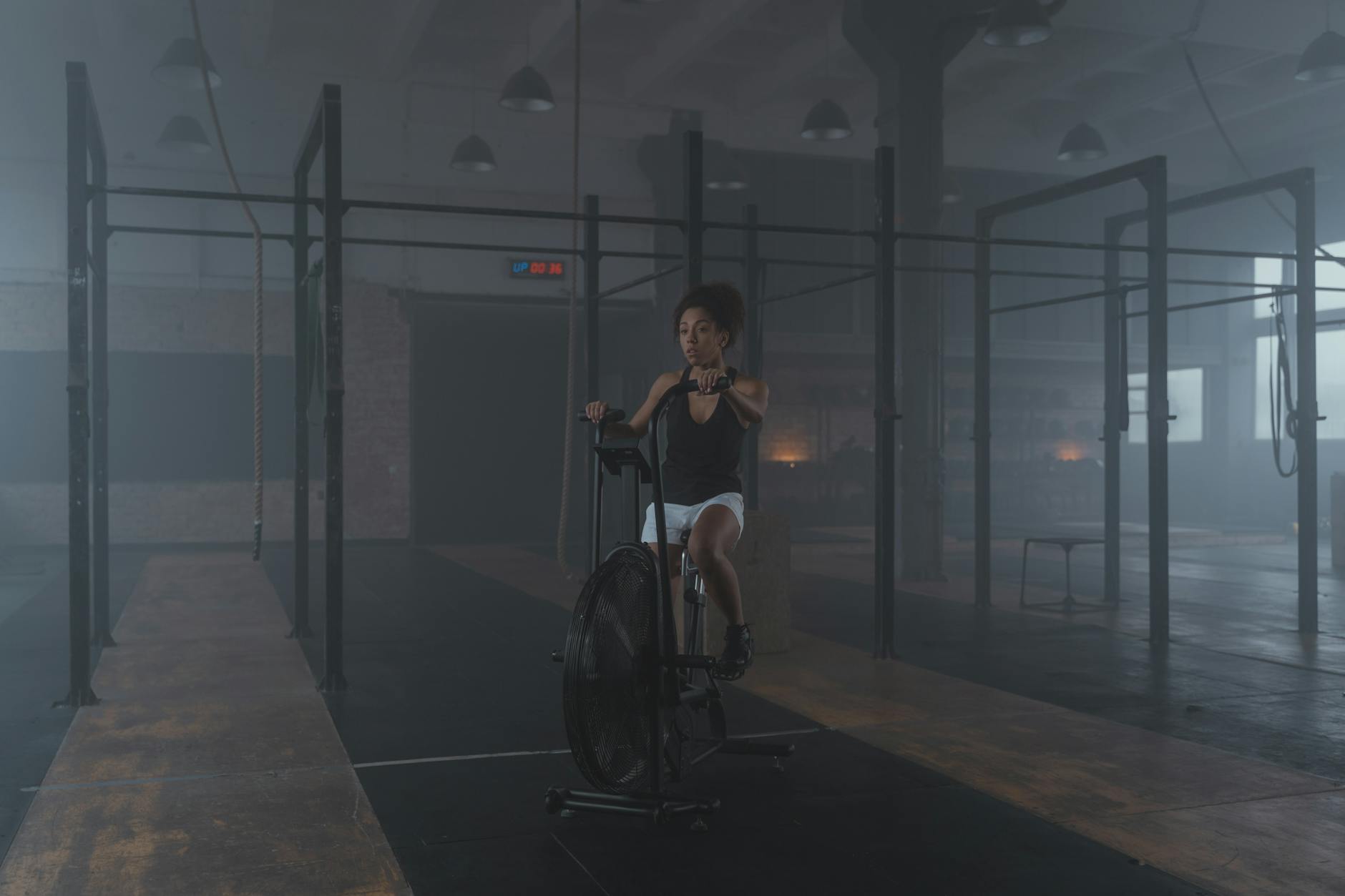
CrossFit Exercises at Home: When the Gym Isn't an Option
Life happens, and sometimes you can't make it to the box. But that doesn't mean your crossfit workout plan has to go out the window. Many fundamental CrossFit exercises can be performed with minimal equipment, allowing you to maintain your fitness and continue progressing.
Bodyweight Powerhouses
Your own body is an incredible tool. Push-ups, squats, lunges, burpees, and jumping jacks are all staples that require no equipment. Mastering these will build a solid foundation.
Perfecting the Push-up
This classic exercise targets the chest, shoulders, and triceps. Focus on a full range of motion, keeping your core tight and your body in a straight line. If standard push-ups are too difficult, start on your knees or incline push-ups against a sturdy surface.
Mastering the Squat and Lunge
These lower-body staples are essential. Focus on depth, keeping your chest up, and driving through your heels. Variations like jump squats and walking lunges add a cardiovascular element.
Minimal Equipment, Maximum Impact
If you have access to a few basic items, you can significantly expand your home workout options.
- Kettlebell: This is arguably the most versatile piece of equipment for home CrossFit. Kettlebell swings, goblet squats, and Turkish get-ups are fantastic full-body movements.
- Resistance Bands: Great for adding resistance to bodyweight exercises, warming up, and assisting with movements like pull-ups.
- Pull-up Bar: If you can install one, this opens up a world of upper-body pulling exercises. Even just hanging from the bar can improve grip strength and shoulder health.
The Kettlebell Swing: A CrossFit Staple
This explosive hip-hinge movement is a cornerstone of CrossFit. It builds power in the posterior chain (glutes, hamstrings, back) and is an excellent cardiovascular conditioner. Focus on driving the kettlebell up with your hips, not your arms.
Using Resistance Bands for Pull-ups
If you can't do a strict pull-up yet, a resistance band can be your best friend. Loop it over your pull-up bar, step one foot into it, and use the assistance to help you get to the top. As you get stronger, use lighter bands. This is a smart way to build up to unassisted pull-ups.
Beyond the WOD: CrossFit Training Components
A comprehensive crossfit workout plan isn't just about the daily WODs. It also involves dedicated time for strength training, mobility work, and proper recovery. Neglecting these aspects is like building a house on a shaky foundation.
Strength Training: The Foundation of Power
While WODs often include strength elements, dedicated strength sessions are crucial for long-term progress. This means focusing on linear progression with compound lifts like squats, deadlifts, presses, and rows. You want to systematically increase the weight you can lift.
The Importance of a Strong Core
Your core is the powerhouse of your body. It stabilizes your spine, transfers force, and is essential for almost every movement. Exercises like planks, hollow holds, and anti-rotation drills are vital. I've seen many athletes plateau because their core strength wasn't sufficient to support heavier loads or more complex movements.
Mobility and Flexibility: The Unsung Heroes
You might think CrossFit is all about brute force, but flexibility and mobility are just as important, especially for injury prevention and optimal movement. Spending time on dynamic warm-ups and static cool-downs, and incorporating dedicated mobility sessions, will pay dividends. Think about improving your overhead squat mobility or your ability to get a deep squat. This is where targeted neck posture exercises can also play a role in overall body mechanics.
Foam Rolling and Stretching
Regularly rolling out tight muscles and performing static stretches after workouts can improve recovery and range of motion. Don't underestimate the power of a good stretch session.
Nutrition and Recovery: Fueling Your Engine
You can have the best crossfit workout plan in the world, but without proper nutrition and recovery, you won't see the results you desire. Your body needs the right fuel to perform and the rest to repair and grow.
Eating for Performance
Focus on whole, unprocessed foods. Plenty of lean protein, complex carbohydrates, and healthy fats will provide the energy and building blocks your body needs. Hydration is also paramount.
Sleep: The Ultimate Recovery Tool
Aim for 7-9 hours of quality sleep per night. This is when your body does most of its repair and rebuilding. If you're consistently skimping on sleep, you're sabotaging your progress.
Putting It All Together: Your CrossFit Journey
Starting CrossFit can feel like learning a new language, but with a smart crossfit workout plan, consistent effort, and a willingness to learn, you'll be amazed at what you can achieve. Remember, everyone starts somewhere. Focus on mastering the movements, being consistent, and enjoying the process. The community aspect of CrossFit is also a huge motivator; find a gym with a supportive environment, and you'll be well on your way. Don't be afraid to ask questions, scale workouts when needed, and celebrate your victories, big or small. The journey of building strength and resilience is a marathon, not a sprint, and a well-thought-out crossfit workout plan is your roadmap to success. Look at the data from organizations like the National Institutes of Health research on crossfit workout plan, which often highlight the benefits of varied and intense training.