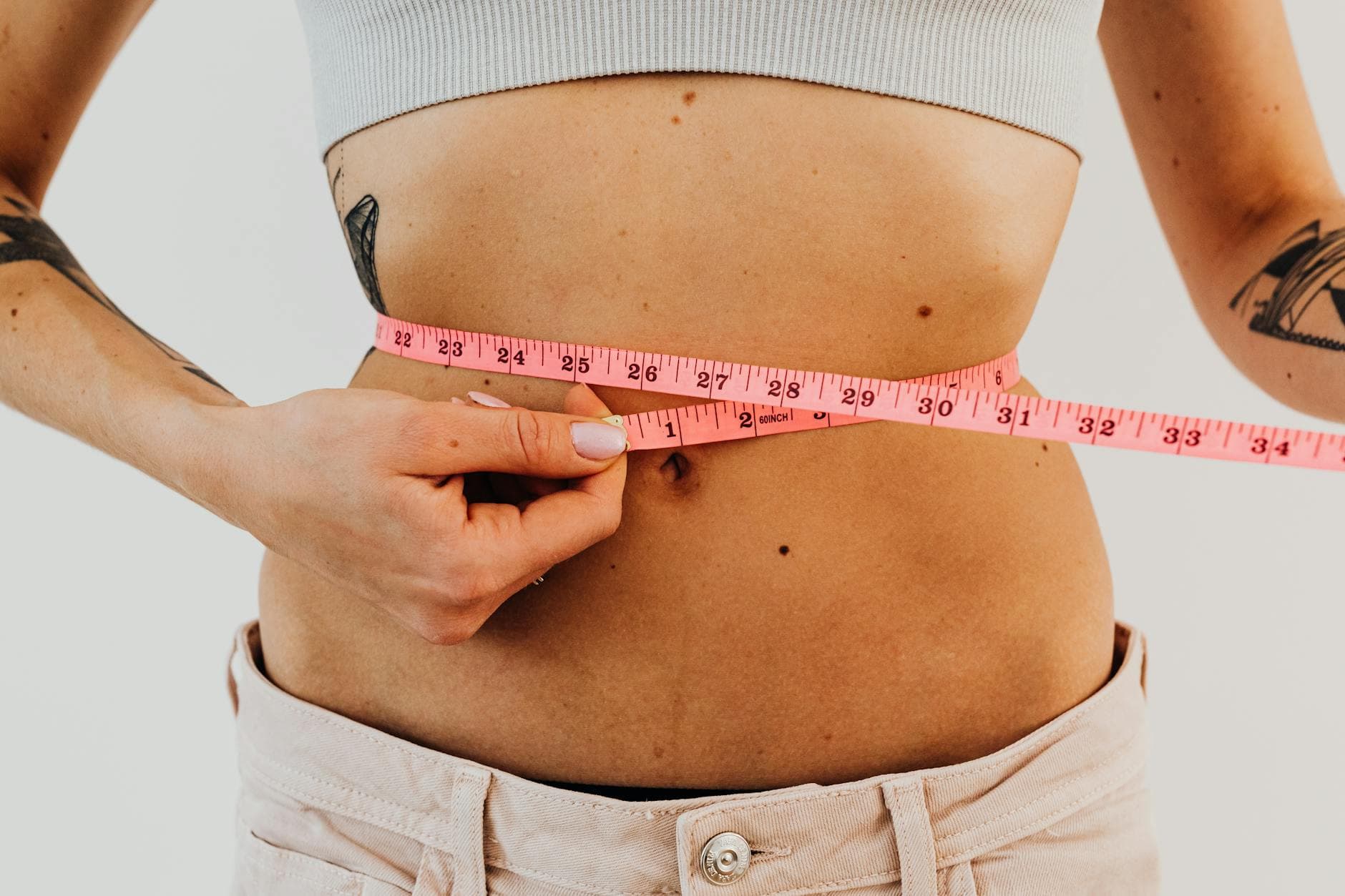
I remember a time, not too long ago, when I felt like I was constantly fighting my own body. Every diet I tried felt like a temporary band-aid, and the “quick fix” promises online just left me feeling more confused and frustrated. The idea of natural weight loss seemed almost mythical, something reserved for people with perfect genetics or endless free time. But then, something shifted. I started looking beyond the fad diets and the extreme workouts, and I began to understand that true, sustainable change comes from within, by working *with* your body, not against it. It’s about building habits that nourish you, not deprive you.
The Real Deal with Natural Weight Loss
What "Natural" Actually Means
When we talk about natural weight loss, we're really talking about methods that support your body's innate ability to regulate its weight. It’s about ditching the restrictive, unsustainable approaches and embracing a lifestyle that’s both effective and enjoyable. Think less about deprivation and more about empowerment. It’s about making choices that benefit your overall health, not just the number on the scale.
Why Fad Diets Fail
Honestly, most fad diets are designed to fail in the long run. They often involve severe calorie restriction, eliminating entire food groups, or relying on strange supplements. While you might see initial results, your body eventually rebels. Metabolism slows down, cravings intensify, and the weight inevitably creeps back on, often with a little extra. This yo-yo dieting is incredibly damaging to both your physical and mental health.
Focusing on Long-Term Health
The beauty of natural weight loss is that it’s not just about losing pounds; it’s about gaining health. It’s about feeling more energetic, sleeping better, and having a stronger immune system. When you prioritize whole, unprocessed foods and consistent movement, you're investing in your well-being for years to come. This is the kind of change that sticks.
Nourishing Your Body from the Inside Out
The Power of Whole Foods
This is where the magic really happens. Filling your plate with nutrient-dense, whole foods is the cornerstone of any successful natural weight loss strategy. I’m talking about fruits, vegetables, lean proteins, healthy fats, and whole grains. These foods provide the vitamins, minerals, and fiber your body needs to function optimally, keep you feeling full, and support a healthy metabolism.
Smart Eating Habits
It’s not just *what* you eat, but *how* you eat. Developing healthy eating habits is crucial. This includes things like practicing portion control, eating mindfully, and listening to your body's hunger and fullness cues. I used to just shove food in my face while watching TV, and surprise, surprise, I’d end up overeating and feeling terrible. Learning to savor each bite and pay attention to my body’s signals made a huge difference.
Understanding Portion Sizes
A simple way to grasp portion control is to visualize your plate. Aim for half your plate to be non-starchy vegetables, a quarter to be lean protein, and a quarter to be whole grains or starchy vegetables. For example, a serving of chicken breast is about the size of your palm, and a serving of cooked pasta or rice is about the size of your fist. These visual cues are incredibly helpful when you’re starting out.
Mindful Eating Practices
Mindful eating is about being present during your meals. Put away distractions like your phone or TV. Chew your food thoroughly and pay attention to the tastes, textures, and smells. This not only helps you enjoy your food more but also allows your brain to register that you're eating, leading to better satiety signals. You’d be amazed at how much less you eat when you’re truly paying attention.
Hydration: Your Unsung Hero
Don't underestimate the power of water! Staying well-hydrated is essential for so many bodily functions, including metabolism and digestion. Sometimes, what feels like hunger is actually thirst. Aim to drink plenty of water throughout the day. Carrying a reusable water bottle is a great reminder to keep sipping.
Movement That Matters for Weight Loss
Finding Your Fitness Flow
Exercise is a vital piece of the puzzle, but it doesn’t have to feel like a chore. The key is to find activities you genuinely enjoy. Whether it’s dancing, hiking, swimming, or cycling, consistency is far more important than intensity when you're aiming for natural weight loss. You've probably noticed that when you do something you love, you're much more likely to stick with it.
The Role of Cardiovascular Exercise
Cardio is excellent for burning calories and improving heart health. Activities like brisk walking, jogging, or running for weight loss are fantastic options. Aim for at least 150 minutes of moderate-intensity cardio per week. This could be 30 minutes, five days a week. It's about getting your heart rate up and your body moving.
Strength Training for a Boost
Don't skip the strength training! Building muscle mass is crucial because muscle burns more calories at rest than fat does. This means that the more muscle you have, the higher your resting metabolic rate will be. You don't need to become a bodybuilder; bodyweight exercises, resistance bands, or light weights can be incredibly effective. A well-rounded fitness weight loss plan will incorporate both cardio and strength.
Gentle Movement and Recovery
Even practices like yoga for weight loss offer incredible benefits. Yoga not only burns calories but also improves flexibility, reduces stress, and promotes mindfulness, all of which contribute to a healthier relationship with your body and food. Remember, rest and recovery are just as important as the workouts themselves.
Beyond Food and Exercise: Lifestyle Factors
The Sleep Connection
This one surprised me when I first learned about it. Lack of quality sleep can wreak havoc on your hormones, particularly those that regulate appetite. When you're sleep-deprived, your body produces more ghrelin (the hunger hormone) and less leptin (the satiety hormone). This can lead to increased cravings for unhealthy foods. Aim for 7-9 hours of quality sleep per night.
Managing Stress Effectively
Stress is another major player in weight management. Chronic stress leads to elevated cortisol levels, which can promote fat storage, especially around the abdomen, and increase cravings for sugary and high-fat foods. Finding healthy ways to manage stress, like meditation, deep breathing exercises, spending time in nature, or engaging in hobbies, is paramount. Stress management for weight loss is not a luxury; it's a necessity.
The Importance of Consistency
Here's the thing: natural weight loss isn't about perfection; it's about consistency. You'll have days where you slip up, and that's okay. Don't let one "off" meal derail your entire week. The most important thing is to get back on track with your next meal or your next workout. It’s the cumulative effect of your daily choices that leads to lasting results.
Making it Work for You: Your Personal Journey
Setting Realistic Goals
When you're embarking on natural weight loss, it's crucial to set realistic goals. Aiming to lose 1-2 pounds per week is generally considered healthy and sustainable. Rapid weight loss, like trying to lose weight fast through extreme measures, often leads to muscle loss and a rebound in weight. Focus on gradual, steady progress.
Listen to Your Body
Your body is constantly sending you signals. Learn to tune into them. Are you truly hungry, or just bored or stressed? Are you feeling energized after a certain meal, or sluggish? Paying attention to these cues will guide you toward making the best choices for your unique needs. This is where mindful eating really shines.
Celebrate Small Wins
Don't wait until you reach your ultimate goal to celebrate. Acknowledge and celebrate the small victories along the way. Did you choose a healthy snack instead of reaching for chips? Did you go for a walk even when you didn't feel like it? These small wins build momentum and reinforce positive behaviors. They are signs of your commitment to a healthier lifestyle.
Seeking Support When Needed
You don't have to do this alone. If you're struggling, consider seeking support from friends, family, or a qualified professional. Sometimes, a little guidance can make all the difference. For instance, consulting with a registered dietitian can help you create a personalized meal plan with delicious weight loss breakfast ideas and other meals tailored to your preferences and nutritional needs. Research from the National Institutes of Health research on natural weight loss consistently highlights the benefits of a supportive environment.
Ultimately, natural weight loss is a journey of self-discovery and self-care. It’s about building a sustainable lifestyle that nourishes your body and soul. It’s not a race; it’s about creating lasting habits that will serve you well for years to come. Embrace the process, be kind to yourself, and trust that with consistent effort, you can achieve your health goals in a way that feels good and truly works.