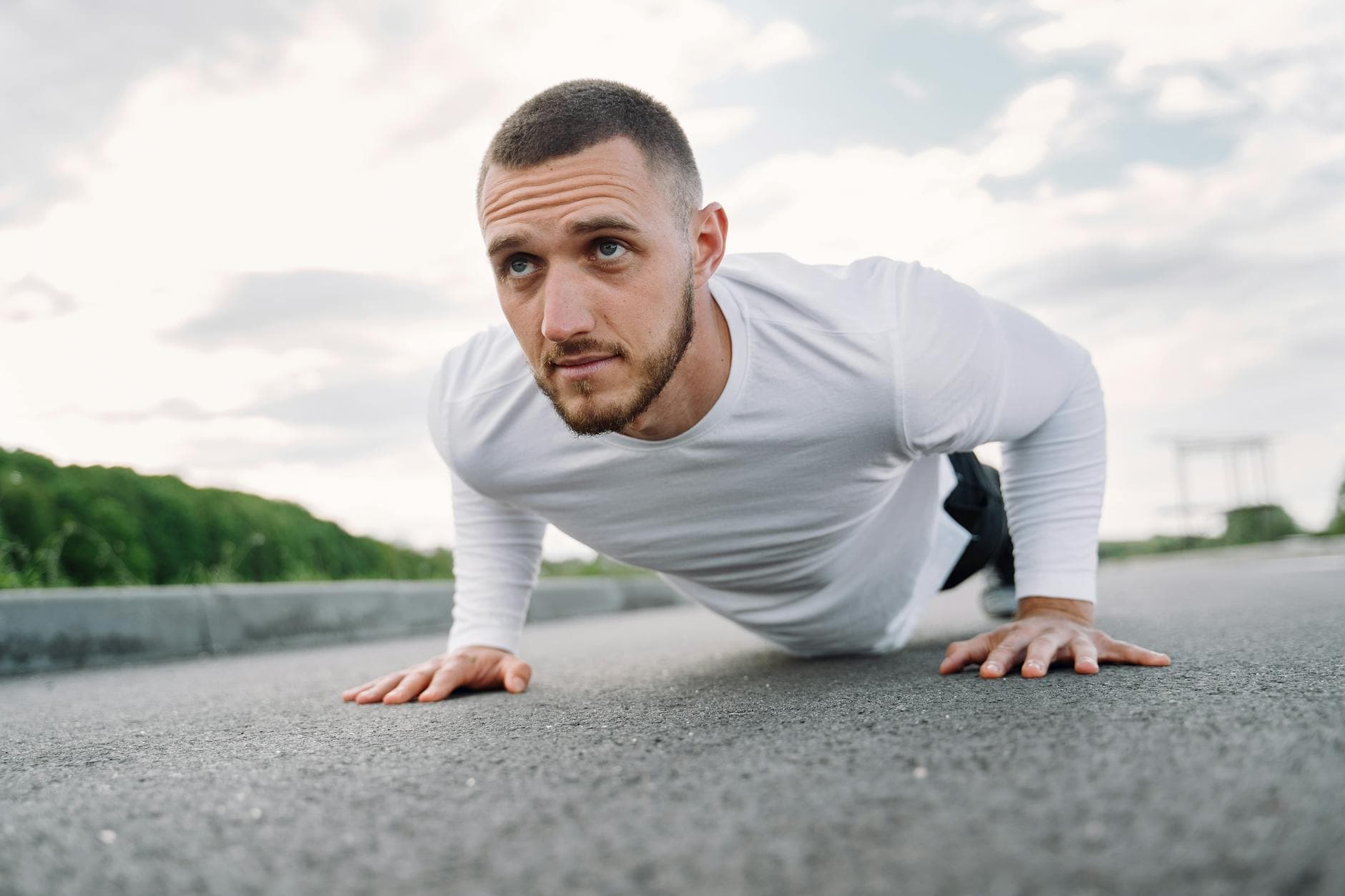
What if you could unlock a hidden powerhouse within your body, a source of unwavering strength that transforms everything from your posture to your athletic performance? Imagine moving through your day with less pain, more energy, and a feeling of grounded stability in every step. It sounds almost too good to be true, doesn't it? But here’s the thing: this isn't some mythical quest. It’s the very real, very tangible benefit of discovering and consistently practicing the best core exercises.
I’ve been in the fitness world for years, and honestly, the sheer volume of misinformation out there about core training drives me a little crazy. Most people think "core" means six-pack abs, endless crunches, and a burning sensation in their stomach. I used to think that too, back when I was starting out. But that narrow view misses the entire point. Your core is so much more than just your abdominal muscles; it's a complex network of muscles, deep and superficial, that stabilizes your spine, protects your organs, and connects your upper and lower body. It's the literal center of your universe, physically speaking.
I'm here to tell you that true core strength isn't about how many sit-ups you can do. It's about stability, resilience, and the ability to transfer force efficiently. It’s about being able to stand tall, lift heavy things safely, and prevent that nagging lower back pain relief that plagues so many of us. So, let’s dive into what truly constitutes the best core exercises, moving past the fluff and focusing on what works.
Beyond the Six-Pack: Understanding Your True Core
Look, I get it. We all want to look good. But chasing visible abs without understanding the deeper function of your core is like building a beautiful house on a shaky foundation. It might look impressive for a bit, but it won't stand the test of time. Your core is not just the rectus abdominis (the "six-pack" muscle); it includes your obliques, transverse abdominis, multifidus, erector spinae, pelvic floor, and even muscles around your hips and glutes. This intricate network provides your body with functional core strength.
The Real Role of Your Core Muscles
Think about the last time you bent over to pick something up, twisted to grab something from the back seat of your car, or even just stood upright for an extended period. All of those actions rely heavily on your core. It acts as a brace, a stabilizer, and a powerful engine for movement. A strong core improves posture, enhances balance, and dramatically reduces your risk of injury, especially in the lower back.
Many people suffer from lower back pain, and often, the root cause isn't a problem with the back itself, but a weak or imbalanced core. When your core can't do its job of stabilizing your spine, other muscles, like those in your lower back, have to overcompensate, leading to strain and discomfort. This is why I'm so passionate about proper core strengthening exercises – they truly are life-changing.
Why Most People Get Core Training Wrong
I'll be real with you: most gym-goers, and even some trainers, focus too much on spinal flexion (crunching movements) and not enough on the core's primary job: resisting movement. Your core's main function isn't to bend your spine repeatedly; it's to prevent unwanted movement, to stabilize your trunk against external forces. This concept of "anti-movement" is the secret sauce to building a truly resilient core.
If you're only doing crunches and sit-ups, you're missing out on a huge chunk of what your core is designed to do. We need to train our core to resist extension (like planks), resist rotation (like Pallof presses), and resist lateral flexion (like side planks and carries). These are the movements that build real-world, functional strength.
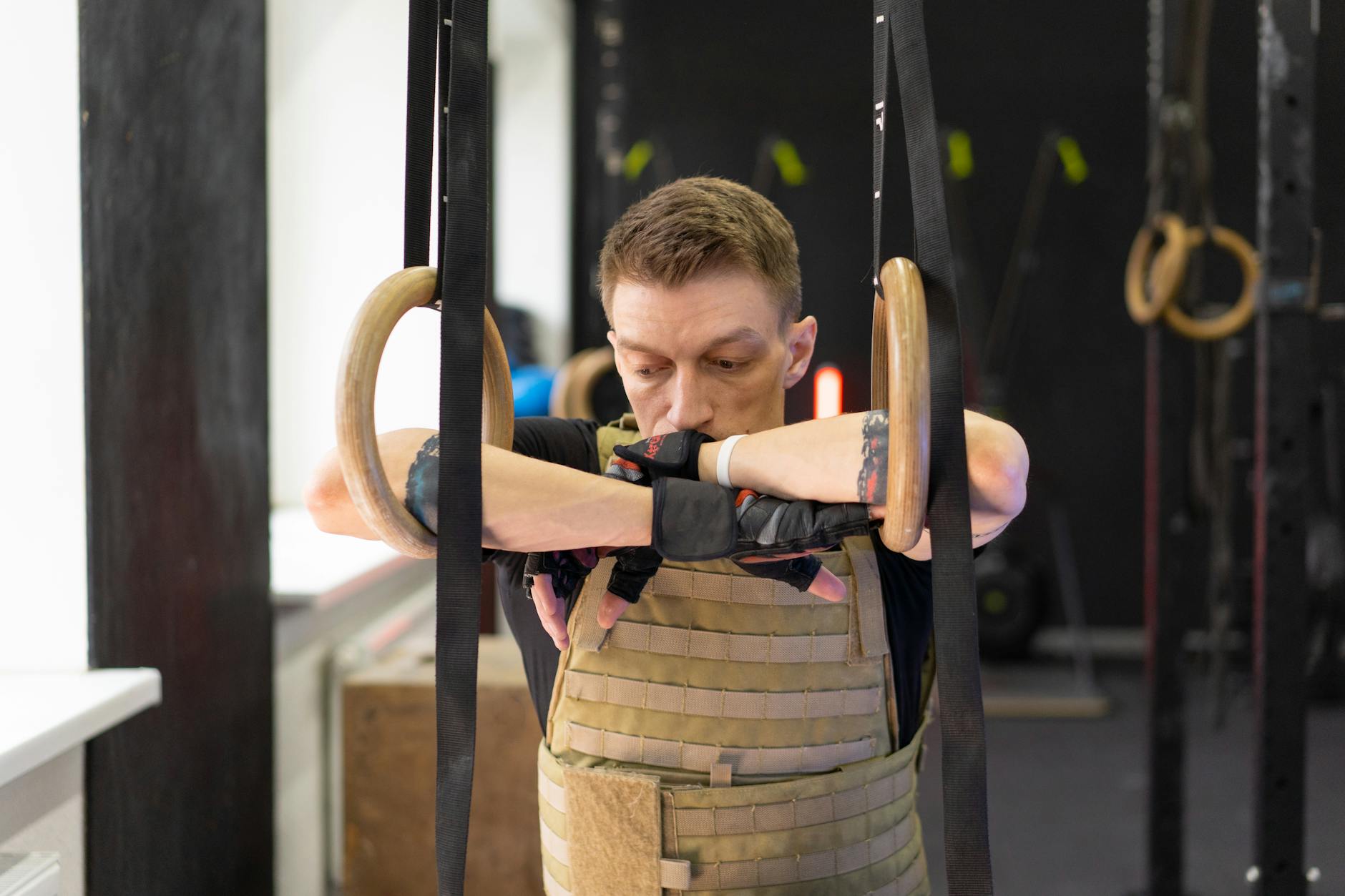
The Best Core Exercises: My Top Picks for Real Strength
Alright, enough theory. Let's get to the good stuff. These are the core strengthening exercises that I’ve seen deliver incredible results for myself and countless others. They hit all the critical aspects of core function, and many of them can be done as part of an at home core workout.
Anti-Extension Superstars: Planks and Their Cousins
Planks are foundational, and for a good reason. They teach your body to hold a rigid, stable position against gravity, directly training your core's ability to resist extension. But don't just do a standard plank and call it a day; there's a world of variations that amplify the benefits.
The Classic Forearm Plank
- Get into a push-up position, then drop down onto your forearms.
- Keep your body in a straight line from head to heels, squeezing your glutes and bracing your abs as if you're about to get punched.
- Hold for 30-60 seconds, focusing on maintaining perfect form. Don't let your hips sag or pike up too high.
The Dynamic Plank with Shoulder Taps
This variation adds an element of anti-rotation. Start in a high plank position (hands directly under shoulders). Slowly lift one hand and tap the opposite shoulder, trying to keep your hips as still as possible. Alternate sides. This one surprised me with how much it challenged my stability.
Anti-Rotation Powerhouses: Dead Bugs and Pallof Presses
These exercises are absolute game-changers for building rotational stability, which is crucial for everything from throwing a ball to simply turning your body without strain. They are truly among the best core exercises you can do.
The Dead Bug (My Personal Favorite)
This exercise looks deceptively simple, but it's incredibly effective for training your deep core stabilizers and coordinating limb movement with trunk stability. Lie on your back with your knees bent at 90 degrees directly over your hips, and your arms extended straight up towards the ceiling.
- Slowly extend your right arm back behind your head and your left leg forward towards the floor simultaneously.
- Keep your lower back pressed firmly into the ground – this is non-negotiable. If your back arches, you've gone too far.
- Return to the starting position and repeat on the other side. Aim for 8-12 reps per side, moving slowly and with control.
The Pallof Press (Requires a Cable Machine or Resistance Band)
If you have access to a gym or a resistance band, the Pallof press is a must for your core strength workouts. It trains your core to resist rotation, a critical function often overlooked. Set up a cable machine handle at chest height or loop a resistance band around a sturdy anchor. Stand perpendicular to the anchor, holding the handle with both hands at your chest.
- Press the handle straight out in front of you, resisting the urge for the cable/band to pull you sideways.
- Hold for a second or two, then slowly return to your chest.
- Do 8-12 reps per side, focusing on keeping your hips and shoulders square.
Anti-Lateral Flexion: Side Planks and Farmer's Carries
Resisting side-to-side bending is just as important as resisting front-to-back or rotational forces. These exercises target your oblique muscles and deep stabilizers, giving you robust stability.
The Side Plank
A phenomenal exercise for the obliques and overall lateral stability. Lie on your side, supporting yourself on one forearm, with your elbow directly under your shoulder. Stack your feet or place one in front of the other for more stability. Lift your hips off the ground until your body forms a straight line from head to heels.
- Hold for 30-60 seconds per side.
- For an added challenge, try a side plank with a hip dip, slowly lowering and raising your hips.
The Farmer's Carry (A Full-Body Core Challenge)
This is one of my all-time favorite exercises for developing real-world, functional core strength. It's not just a grip exercise; it's a walking side plank! Grab a heavy dumbbell or kettlebell in one hand (or one in each hand for a symmetrical carry).
- Stand tall, shoulders back and down, chest proud.
- Walk for a set distance (e.g., 50-100 feet) or time, resisting the urge to lean to one side.
- Switch hands and repeat. This will absolutely challenge your entire core, especially your obliques, to keep you upright.
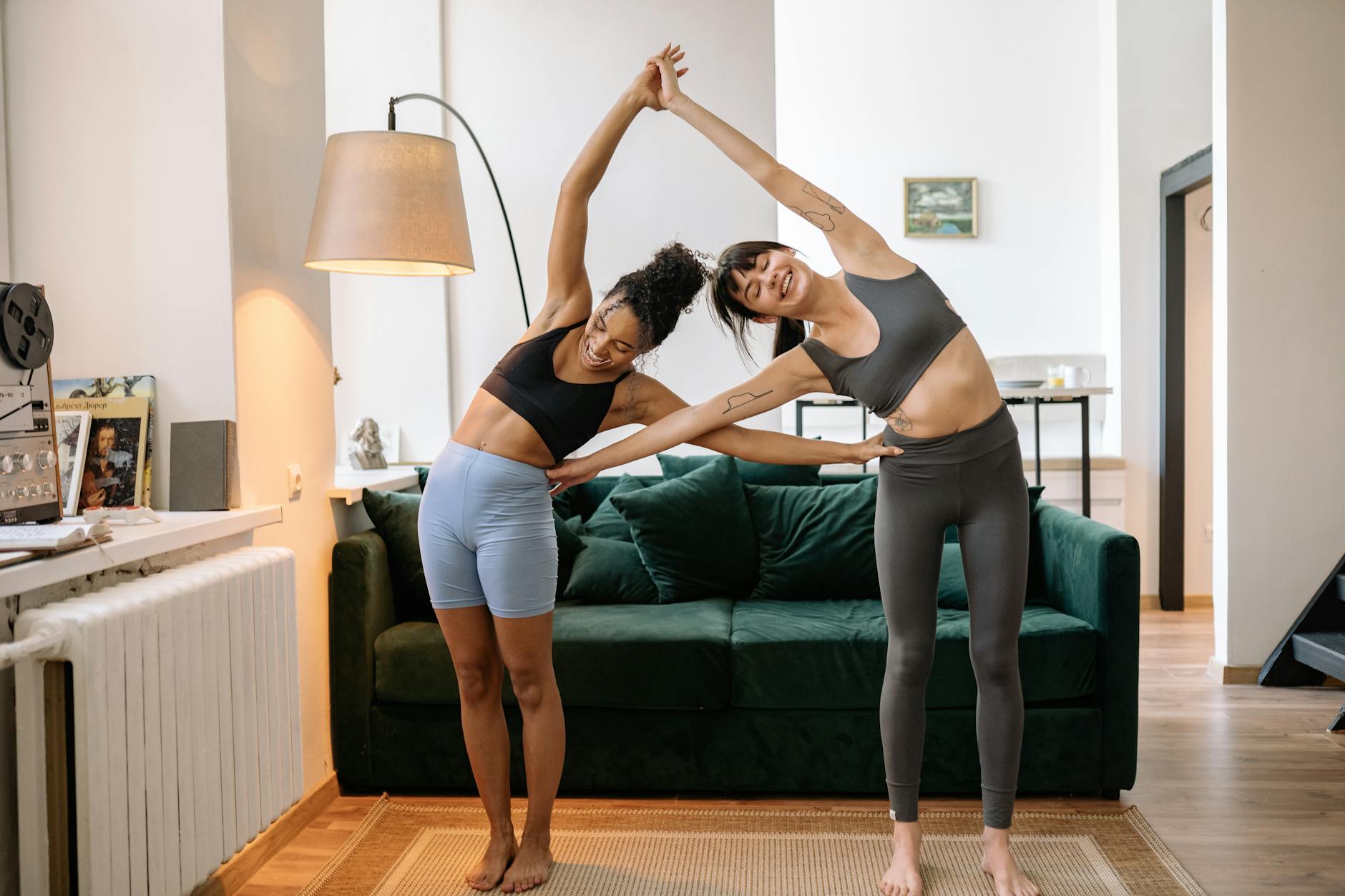
Crafting Your Core Workout Routine
You might be wondering how to weave these into a coherent core workout routine. The good news is, you don't need hours of dedicated core work. Consistency and smart exercise selection trump endless reps every single time. Here's a quick template that delivers results:
A Balanced At-Home Core Workout
For those days when you can't make it to the gym, or you just prefer to work out in your living room, a solid bodyweight core workout is perfectly achievable. Focus on quality over quantity.
- Warm-up: Cat-Cow stretches, bird-dog (5-10 reps each side).
- Workout:
- Forearm Plank: 3 sets, 30-60 seconds hold
- Dead Bug: 3 sets, 8-12 reps per side (slow and controlled)
- Side Plank: 3 sets, 30-60 seconds per side
- Glute Bridge: 3 sets, 12-15 reps (engages the posterior chain, which is part of your core system)
- Cool-down: Gentle stretches for hips and lower back.
Integrating Core Work into Your Existing Routine
I find it incredibly effective to sprinkle core work throughout my regular training. You can do 1-2 core exercises as part of your warm-up, or add a dedicated core circuit at the end of your main lifting session. For example, if you're following a 4 day workout routine, you could dedicate 10-15 minutes to core work on 2-3 of those days.
Don't treat core work as an afterthought. It's the foundation upon which all other strength is built. Without a strong core, even the best cardio workouts for men or the most intense strength training sessions can lead to imbalances and potential injury. Prioritize it!
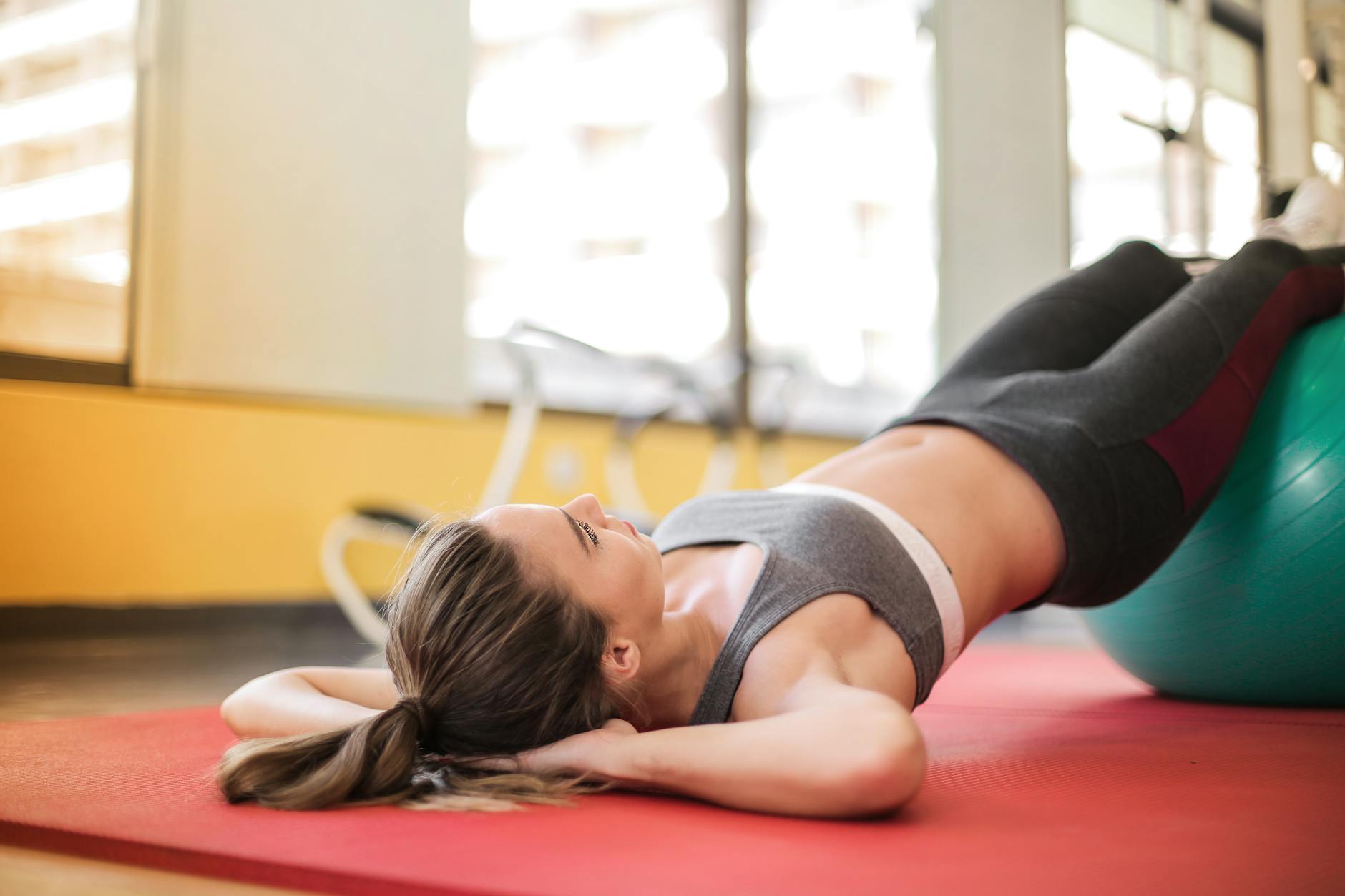
Advanced Considerations and Pelvic Floor Health
As you get stronger, you'll want to progress your exercises. This could mean longer holds, adding external resistance, or incorporating more dynamic movements. But there's another crucial aspect of core strength that often gets overlooked, especially for women, but really for everyone: the pelvic floor.
Progressing Your Core Strength
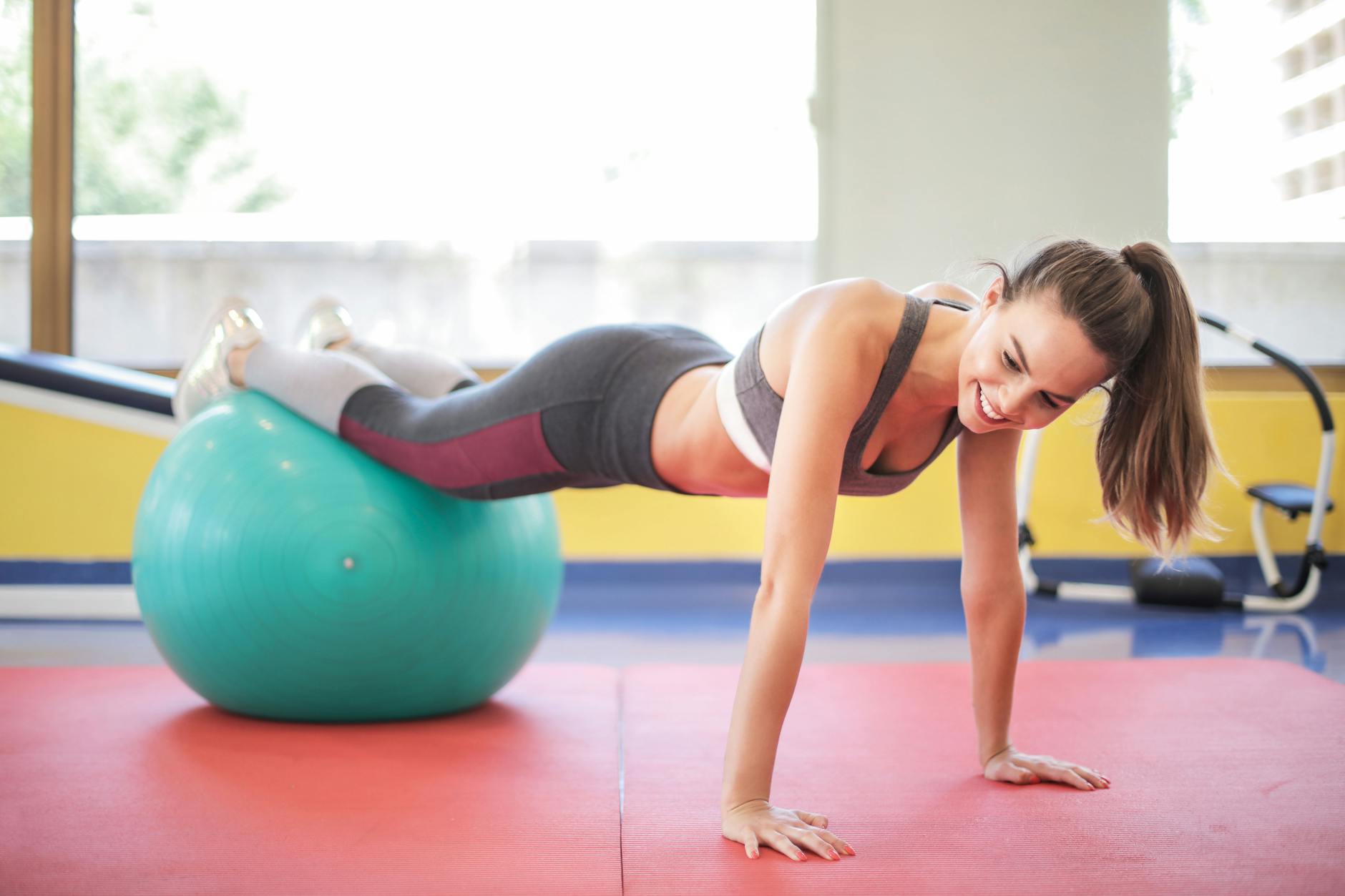
Once you've mastered the basics, you can start exploring more challenging variations. Think about adding instability: planks with feet on a stability ball, dead bugs with light ankle/wrist weights, or even hanging leg raises if you have the upper body strength. The goal is to keep challenging your body in new ways to continue building those exercises for strong core muscles.
Hanging Leg Raises
If you're ready for a serious challenge, hanging leg raises are fantastic for targeting the lower abs and hip flexors while demanding significant grip and shoulder stability. Hang from a pull-up bar with an overhand grip, arms fully extended.
- Keeping your legs straight or slightly bent, slowly raise them up in front of you until your body forms an L-shape, or as high as you can without swinging.
- Control the descent, preventing your body from swinging.
- Aim for 8-12 controlled reps. This is a tough one, so don't get discouraged if you start with bent knees or don't go all the way up.
The Often-Forgotten Pelvic Floor
Here's the thing about the pelvic floor: it's an integral part of your deep core system. It works in conjunction with your transverse abdominis and diaphragm to create intra-abdominal pressure, which is critical for spinal stability. For women, especially post-childbirth, and even for men as they age, focusing on pelvic floor health can prevent issues like incontinence and improve overall core function.
Simple Kegel exercises (contracting the muscles you'd use to stop the flow of urine) can be incredibly beneficial. Incorporate them into your daily routine, even while sitting at your desk. It’s a small, often invisible, but profoundly important part of a truly strong and functional core. Don't neglect it!
Ultimately, building a powerful core isn't about chasing a fleeting aesthetic. It's about investing in your body's long-term health, performance, and resilience. It's about moving through life with confidence, free from pain, and ready for whatever challenges come your way. So, forget the endless crunches. Embrace the planks, the dead bugs, the side planks, and the carries. Your body, your back, and your future self will thank you for it. Start today, and feel the difference.