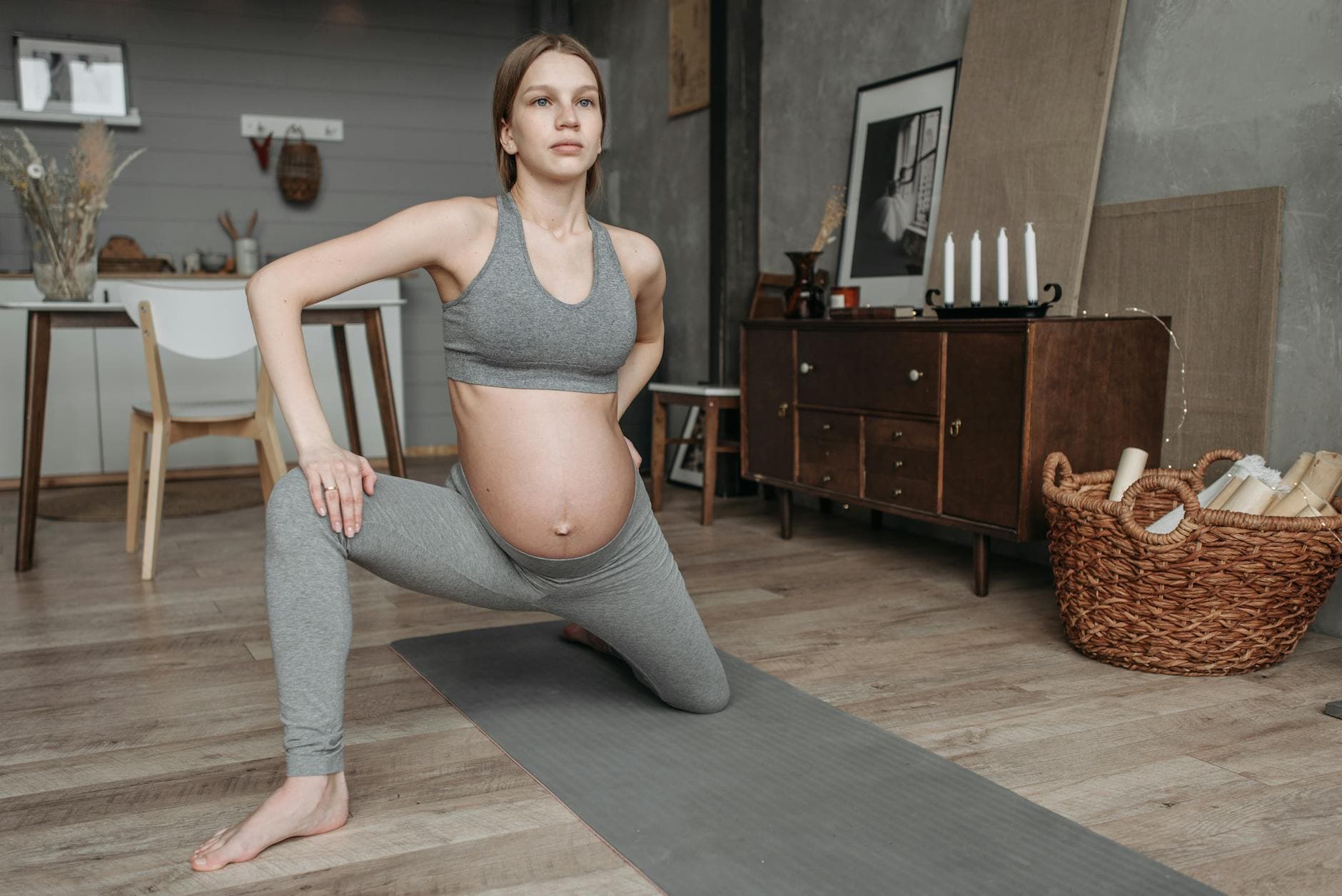
Ever feel like your body and mind are just… disconnected? Like you're going through the motions, but not really *feeling* anything? You're not alone. So many of us are caught in this whirlwind, and it's easy to let our physical selves become just another thing on the to-do list. But what if there was a way to bridge that gap, to infuse everyday movement with a sense of presence and peace? That's where the magic of mindful movement comes in, and honestly, it's been a game-changer for me.
The Power of Presence in Motion
What Exactly is Mindful Movement?
At its core, mindful movement is about paying attention. It’s about bringing a gentle, curious awareness to your body as you move, noticing sensations, your breath, and your surroundings without judgment. It’s not about achieving a perfect pose or hitting a personal best; it’s about the *experience* of moving. Think of it as meditation, but with your body as the focus, and the action of moving as the anchor. It’s a beautiful way to connect with yourself on a deeper level and is a fantastic tool for stress reduction exercises.
Beyond the Gym: Everyday Applications
This isn't just for yoga studios or meditation retreats. You can practice mindful movement while walking to the store, doing household chores, or even just stretching at your desk. The key is to shift your internal focus from the endless to-do list or worries about the future to what’s happening right now, in your body. This practice can be incredibly grounding, especially as we transition into the vibrant energy of spring wellness.
The Mind-Body Connection, Demystified
I used to think of my body as just a vessel to carry my brain around. Silly, right? But the truth is, our physical sensations are a direct line to our emotional and mental states. When we’re stressed, our shoulders tense up. When we’re happy, we might feel a lightness in our chest. Mindful movement helps us tune into these signals, allowing us to understand ourselves better and respond more effectively to our needs. It’s a crucial part of holistic spring wellness.
Gentle Exercise for a Calmer You
Why "Gentle" Matters
When we talk about movement for stress relief, the first thing that often comes to mind is a high-intensity workout. And while those have their place, for many of us, especially when we’re feeling overwhelmed, pushing ourselves too hard can actually add *more* stress. That’s why gentle exercise is so powerful. It’s about honoring your body's current capacity, working with it rather than against it.
Mindful Movement for Stress Reduction
This is where the concept of mindful movement for stress truly shines. Think about the last time you felt truly frazzled. Did you crave a grueling run, or did you long for a quiet walk, a gentle stretch, or some deep breathing? Mindful movement taps into that innate desire for soothing, restorative motion. It’s about creating space for your nervous system to calm down, rather than further activating the fight-or-flight response. This is a core principle of effective stress relief exercises.
Examples of Gentle Mindful Movement
- Slow, deliberate walking, paying attention to the feeling of your feet on the ground and the swing of your arms.
- Gentle yoga or tai chi, focusing on breath synchronization and smooth transitions between poses.
- Stretching with awareness, noticing the release in your muscles and any points of tension.
- Simple body scans while lying down, bringing awareness to different parts of your body.
The Science Behind the Calm
There’s a growing body of evidence supporting the benefits of mindful movement. Studies, like those highlighted by Mayo Clinic research on mindful movement, suggest it can significantly reduce symptoms of anxiety and depression. It helps regulate the autonomic nervous system, lowering cortisol levels and promoting a state of relaxation. It’s not just a feel-good practice; it’s a scientifically-backed approach to well-being.

Embracing Spring with Rejuvenating Workouts
Shake Off the Winter Blues
Spring is often associated with renewal and fresh starts, and our fitness routines can absolutely benefit from this seasonal shift. After a long winter, we might feel a bit sluggish, a bit disconnected. Spring fitness is about reawakening our bodies and minds, and mindful movement is the perfect way to do it. It’s about shaking off that inertia with intention and grace.
Seasonal Self-Care Through Movement
Think of your movement practice as an act of seasonal self-care. As nature bursts into bloom, we can too. Instead of forcing ourselves into rigid plans, we can explore activities that feel nourishing and energizing. Maybe it’s longer walks in the park, noticing the budding trees and the chirping birds. Perhaps it’s incorporating more outdoor activity, feeling the sun on your skin and the breeze in your hair. These are the simple, yet profound, ways mindful movement can enhance your spring wellness.
Rejuvenating Workouts for Body and Soul
What makes a workout rejuvenating? It’s when it leaves you feeling more alive, not depleted. This is the essence of rejuvenating workouts. They are designed to restore energy, not drain it. For example, I once tried a mindful walking meditation in a local botanical garden during early spring. Instead of just power-walking to get my steps in, I focused on the texture of the path, the scent of the damp earth, and the gentle sway of the branches. By the end, I felt incredibly refreshed, my mind clear, and my energy levels subtly boosted, unlike after a typical strenuous workout. This is the power of natural energy boosters in action.

Mindfulness Exercises for a More Present You
The Practice of Being Here Now
So, how do we actually *do* this mindful movement thing? It starts with simple mindfulness exercises. The goal isn't perfection; it's practice. It's about gently bringing your attention back when your mind wanders, which it inevitably will. Think of it like training a puppy – gentle redirection, over and over again. This is the foundation for effective spring mindfulness stress relief.
Cultivating Body Awareness
One of the most profound benefits of mindful movement is the development of body awareness. We often go through our days disconnected from our physical sensations. We might ignore hunger cues, push through fatigue, or hold tension without realizing it. Mindful movement is like turning up the volume on your internal signals. You start to notice subtle shifts, like a tight hip flexor from sitting too long or a knot in your shoulders from stress. This heightened awareness allows you to respond to your body’s needs proactively.
Simple Steps to Enhance Body Awareness
- Tune into your breath: Before you move, take a few conscious breaths. Notice how your chest and abdomen rise and fall.
- Scan your body: Briefly check in with different parts of your body. Where do you feel tension? Where do you feel ease?
- Focus on sensations: As you move, pay attention to the physical sensations. What does the ground feel like beneath your feet? What does the stretch feel like in your muscles?
- Notice your posture: Be aware of how you are holding yourself. Are your shoulders slumped? Is your spine aligned?
Meditation in Motion
The concept of meditation in motion might sound a bit abstract, but it's really about bringing the qualities of meditation – focus, non-judgment, and present moment awareness – to your physical activity. Whether you’re doing a slow walk, some gentle stretching, or even just a few mindful breaths and movements at your desk, you’re engaging in a form of active meditation. This can be incredibly powerful for clearing mental clutter and fostering a sense of inner peace. It’s a key component of many stress relief activities.
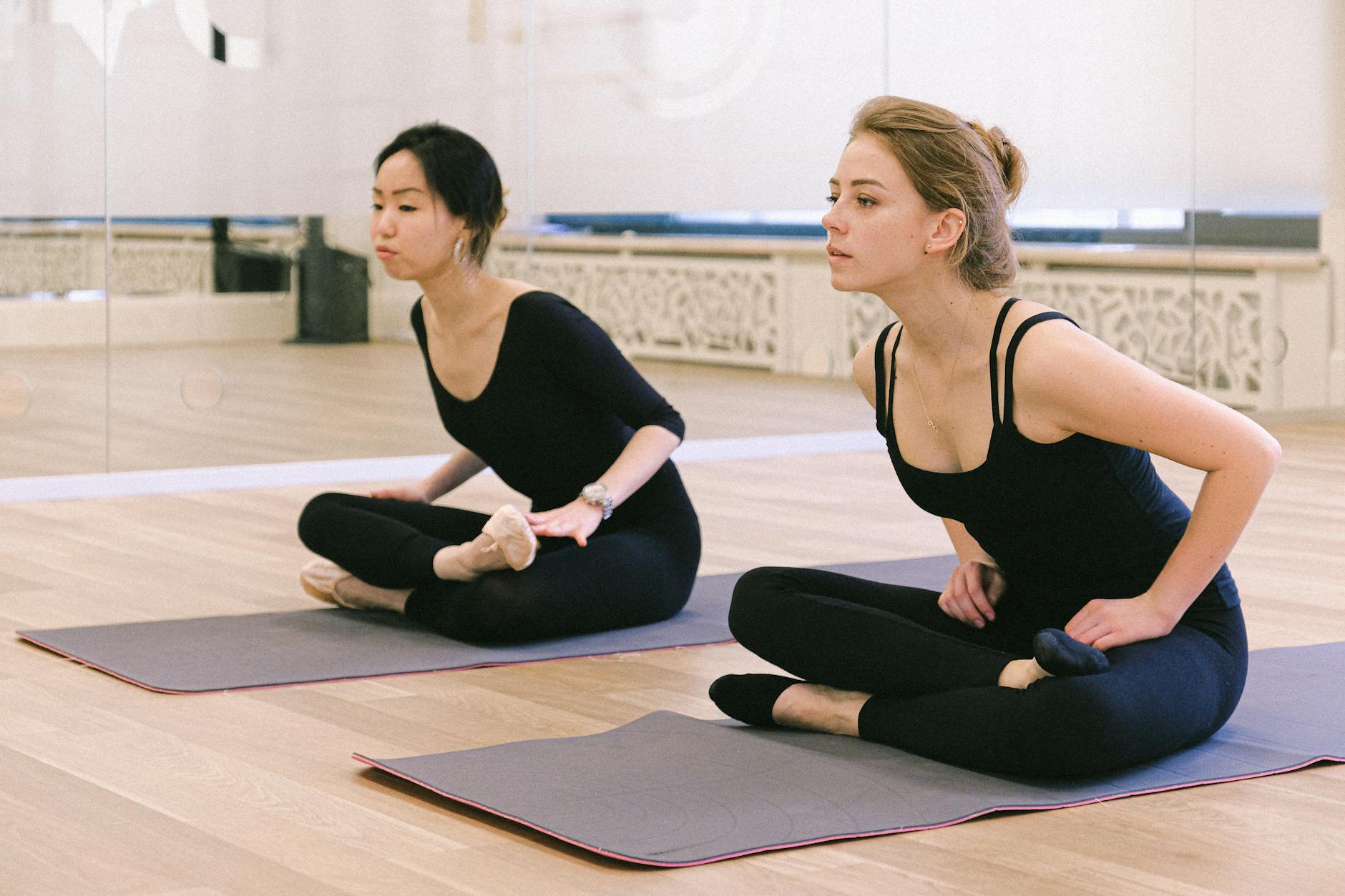
Integrating Mindful Movement into Your Life
Small Changes, Big Impact
Here’s the thing: you don’t need to overhaul your entire life to benefit from mindful movement. It’s about finding small pockets of opportunity throughout your day. Maybe it’s 5 minutes of mindful stretching when you wake up, or a 10-minute mindful walk during your lunch break. These small, consistent practices can accumulate into significant shifts in your well-being. It's about making it accessible, especially when considering spring skin care or other self-care routines.
Finding Your Flow
Not every activity will resonate with everyone. The beauty of mindful movement is its adaptability. Some people find profound peace in gentle yoga, while others prefer the rhythmic simplicity of walking. Experiment! Try different forms of movement and see what feels most authentic and grounding for you. This exploration is a vital part of your spring wellness journey.
When to Practice Mindful Movement
- Morning wake-up: Gently ease into your day with a few stretches and breaths.
- Mid-day reset: Take a short walk or do some desk stretches to break up sedentary periods.
- Evening wind-down: Practice gentle movement to release tension before sleep, aiding Spring Sleep Optimization.
- During stressful moments: When you feel overwhelmed, a few minutes of focused movement can be incredibly calming.
The Long-Term Rewards
When you consistently integrate mindful movement into your life, you’re not just managing stress in the short term; you’re building resilience. You’re cultivating a deeper connection with your body, enhancing your intuition, and fostering a more peaceful relationship with yourself. It’s a practice that truly nourishes you from the inside out, paving the way for sustained well-being. Research from Harvard Health research on mindful movement consistently points to its lasting positive effects on mental and physical health.
So, the next time you move your body, whatever that looks like for you – a walk, a stretch, a dance – try bringing a little more awareness to it. Notice the sensations. Feel the breath. Be present. It might just surprise you how much peace and clarity you can find in the simple act of moving with intention. This is the heart of mindful movement, and it’s an invitation to a more embodied, joyful life.