
What if you could shed those stubborn pounds, not just for a season, but for good? Imagine waking up feeling lighter, more energized, and confident, without the constant yo-yo effect of diets that leave you feeling deprived and defeated. This isn't a fantasy; it's the reality of achieving sustainable weight loss. After years of navigating the often-confusing world of health and fitness, I've learned that the true secret isn't a magic pill or an extreme overhaul. It's about building habits that stick, understanding your body, and embracing a lifestyle that nourishes you from the inside out.
The Trap of Quick Fixes
Why Fad Diets Always Fail
We've all been there, right? The promise of losing 10 pounds in a week, the allure of a restrictive eating plan that sounds like it *must* work. I’ve fallen for them too. The initial thrill of seeing the scale move quickly is intoxicating. But here's the thing: these methods are rarely designed for the long haul. They often cut out entire food groups, lead to nutrient deficiencies, and create a negative relationship with food. Your body, in its wisdom, craves balance, not deprivation.
The Cost of the Yo-Yo
The cycle of losing and regaining weight is incredibly frustrating and, frankly, detrimental to your health. Each time you drastically restrict calories, your metabolism can slow down, making it even harder to lose weight the next time. This constant fluctuation can also impact your mood and energy levels. It's like running on a treadmill that keeps speeding up – exhausting and unsustainable.

Building a Foundation for Lasting Change
It Starts with Mindset
Before you even think about what you're eating or how much you're exercising, you need to shift your perspective. Sustainable weight loss isn't a punishment; it's an act of self-care. It's about deciding that your health and well-being are worth the consistent effort. I used to think of weight loss as something I *had* to do, a chore. Now, I see it as a gift I give myself every day through mindful choices.
Understanding Your "Why"
Dig deep. Why do you want to lose weight? Is it for your children? To feel more confident on a beach? To have the energy to hike your favorite trails? Your "why" is your anchor when motivation wanes. Write it down. Keep it visible. Mine is to be able to play with my grandkids without getting winded. That's a powerful motivator.
Patience is Your Superpower
This is one of the hardest lessons for many to learn, myself included. Sustainable weight loss is a marathon, not a sprint. Aiming for a pound or two a week is a healthy, realistic goal. Trying to force rapid results often leads to unsustainable practices. Think about the last time you rushed something important; it rarely turns out as well as when you take your time. This is no different.
Crafting Your Healthy Weight Loss Plan
Nourishment, Not Deprivation
Forget counting every single calorie if it makes you miserable. Focus instead on the quality of your food. Prioritize whole, unprocessed foods: fruits, vegetables, lean proteins, and healthy fats. These provide the nutrients your body needs to thrive and keep you feeling full and satisfied. I found that by filling my plate with colorful veggies and lean chicken, I naturally ate less of the less healthy stuff. It’s a simple shift that makes a huge difference.
The Power of Protein and Fiber
These two are your best friends when it comes to feeling full. Protein takes longer to digest, and fiber adds bulk to your meals, signaling to your brain that you're satisfied. Think eggs for breakfast, a lentil soup for lunch, and grilled fish with a side of roasted broccoli for dinner. These are cornerstones of any healthy weight loss plan.
Hydration is Key
Sometimes, thirst is mistaken for hunger. Drinking plenty of water throughout the day can help manage your appetite and boost your metabolism. Carry a water bottle with you – it's a simple habit that pays off. Aim for at least eight glasses a day, and more if you're active.
Movement That You Enjoy
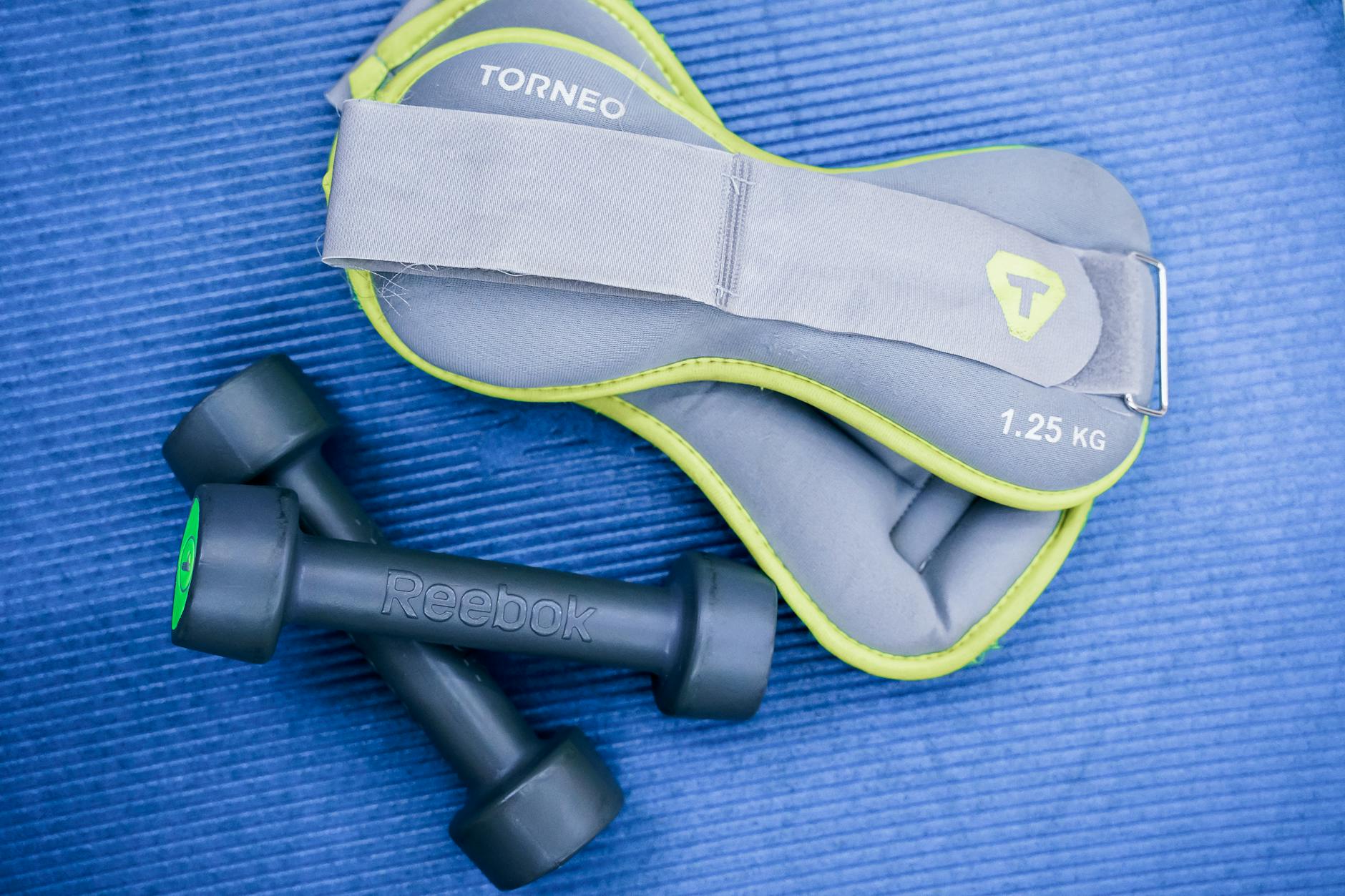
Exercise shouldn't feel like a chore. Find activities that genuinely bring you joy. Whether it's dancing, swimming, hiking, or cycling, consistency is far more important than intensity. For those looking for a gentler approach, Yoga for Weight Loss: Burn Fat & Tone Up Fast can be incredibly beneficial, improving flexibility and building core strength while promoting mindfulness.
Finding Your Fitness Rhythm
Don't feel pressured to hit the gym for hours every day. Start small. A brisk 30-minute walk most days of the week can make a significant impact. Gradually increase the duration or intensity as you feel stronger. The goal is to integrate movement into your daily life, making it as natural as brushing your teeth.
Strength Training Matters
Building muscle mass is crucial for long-term weight management. Muscle burns more calories at rest than fat. Incorporate some form of strength training a couple of times a week. You don't need fancy equipment; bodyweight exercises like squats, push-ups, and lunges are highly effective. This is true for everyone, including those focused on Weight Loss Men: Top Tips for Effective Fat Burning.

Mindful Eating: The Secret Ingredient
Slowing Down and Savoring
Here's the thing: many of us eat on autopilot. We finish meals without really tasting them, often while distracted by screens or work. Mindful eating means paying full attention to the experience of eating – the taste, texture, and aroma of your food. It helps you recognize your body's hunger and fullness cues, preventing overeating. Try putting your fork down between bites. It sounds simple, but it can double the time you spend eating, allowing your brain to register satiety.
Listening to Your Body's Signals
Are you truly hungry, or are you bored, stressed, or sad? Learning to differentiate between physical hunger and emotional hunger is a game-changer for sustainable weight loss. When you feel the urge to eat, pause for a moment. Ask yourself: "Am I hungry?" If the answer is no, identify the underlying emotion and find a non-food coping mechanism, like a short walk, listening to music, or talking to a friend.
Portion Control Without Obsession
This isn't about using tiny plates to trick yourself. It's about understanding what a reasonable portion looks like for your needs. Using smaller plates can help, but more importantly, learn to serve yourself a moderate amount and then put the serving dish away. If you're still hungry after 20 minutes, you can have a small second helping. This allows your body time to signal fullness.

Navigating Seasonal Shifts in Weight Management
Embracing the New Season
As seasons change, so can our routines and our bodies' needs. Spring weight loss, for example, often feels more attainable as the weather warms and we're naturally more inclined to be active outdoors. This can be a fantastic time to kickstart a healthy weight loss plan. The longer days and increased sunlight can boost mood and energy, making it easier to stick to your goals.
Adapting Your Strategy
Don't let a change in season derail your progress. If winter made you crave comfort foods, use the arrival of spring produce to refresh your diet. Think lighter salads, grilled vegetables, and fresh berries. Similarly, if you’re looking for seasonal weight loss, consider how the availability of different foods and the weather can influence your choices. This adaptability is key to long term weight management.
Leveraging Seasonal Motivation
You might be wondering how to maintain momentum. Think about the natural boost that comes with a new season weight loss drive. Use this energy to your advantage. Plan outdoor activities you enjoy, experiment with new healthy recipes featuring seasonal ingredients, and perhaps even set new, achievable goals. The changing seasons offer a natural opportunity for renewal and recommitment.
The Role of Self-Care in Sustainable Weight Loss
Prioritizing Sleep
This one surprised me for a long time. I thought if I just worked out more and ate perfectly, sleep was a secondary concern. Wrong. Lack of sleep can disrupt hormones that regulate appetite, leading to increased cravings for unhealthy foods. Aim for 7-9 hours of quality sleep per night. Create a relaxing bedtime routine and make your bedroom a sleep sanctuary.
Managing Stress Effectively
Chronic stress is a major roadblock to sustainable weight loss. It can lead to emotional eating and increased cortisol levels, which promote fat storage, particularly around the abdomen. Find healthy ways to manage stress that work for you. This could include meditation, deep breathing exercises, journaling, spending time in nature, or engaging in hobbies you love. The World Health Organization has extensively documented the impact of stress on overall health, including weight management.
Building a Supportive Community
You don't have to do this alone. Connect with friends, family, or online communities who support your goals. Sharing your struggles and successes can provide encouragement and accountability. Sometimes just knowing someone else understands what you're going through makes all the difference. This is part of building robust weight loss habits.
Beyond the Scale: Redefining Success
Focusing on Non-Scale Victories
The number on the scale is just one metric, and often not the most important one. Celebrate the non-scale victories: having more energy, clothes fitting better, improved mood, better sleep, increased strength, and feeling more confident. These are the true indicators of progress and are often more sustainable motivators than a fluctuating number. For instance, noticing you can walk up a flight of stairs without getting breathless is a huge win!
Embracing a Holistic Approach
Sustainable weight loss is about much more than just diet and exercise. It's about cultivating a healthy relationship with food, your body, and yourself. It involves embracing natural weight loss principles, focusing on nutrition for weight loss that nourishes you, and incorporating regular exercise routines. It's about creating a lifestyle you can maintain and enjoy for years to come. Harvard Health research consistently points to the importance of a multi-faceted approach for lasting results.
The Journey is the Destination
Ultimately, the goal isn't just to reach a certain weight, but to build a life where you feel healthy, vibrant, and in control. It's about the small, consistent choices you make every day. The path to sustainable weight loss is a journey of self-discovery and self-improvement. Embrace the process, be kind to yourself, and trust that you have the power to create lasting change. Remember the advice from the Centers for Disease Control and Prevention on making gradual, sustainable changes for improved health.