The Myth of the Magic Bullet for Healthy Weight Loss
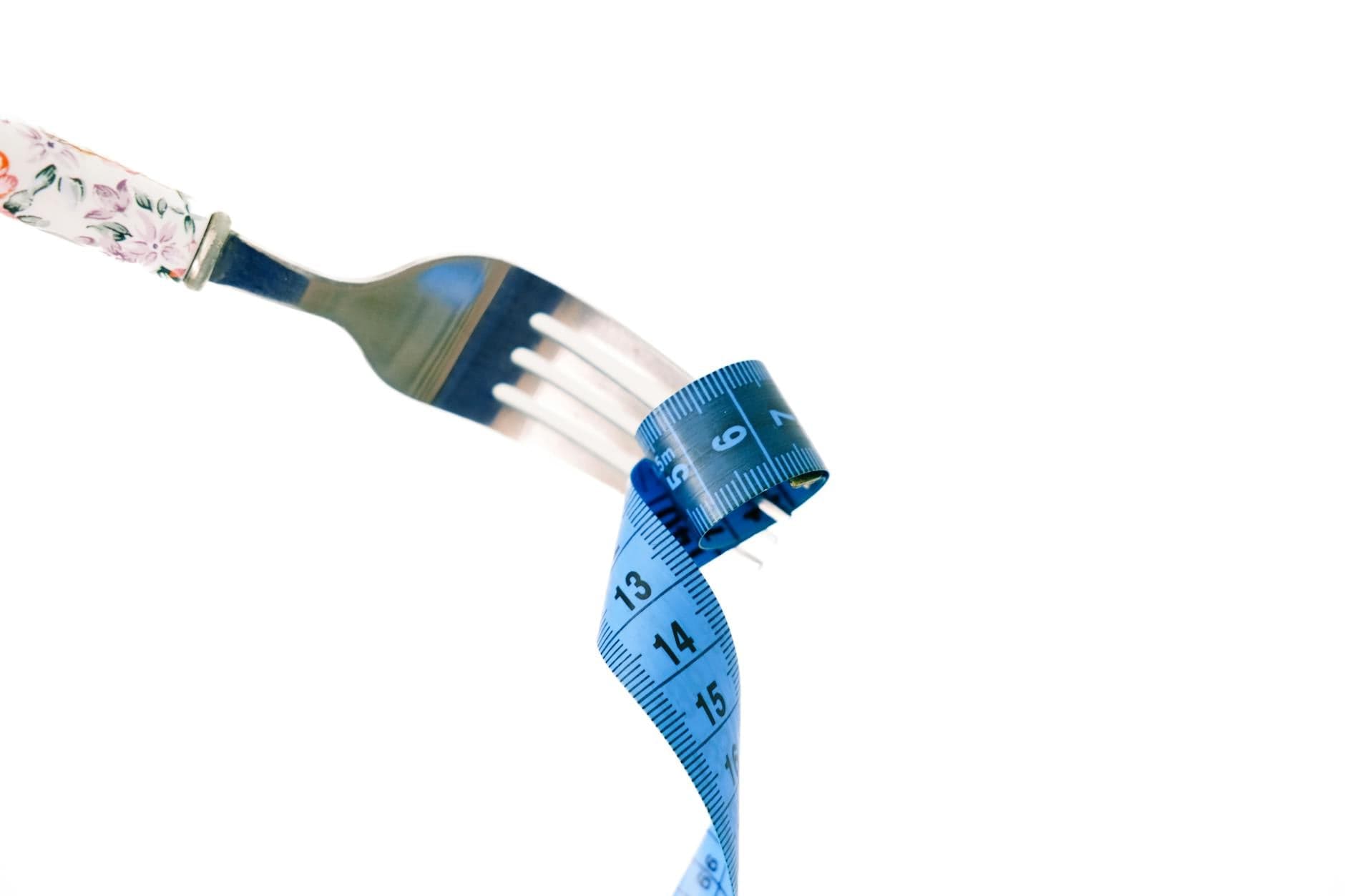
So many people think healthy weight loss is about finding that one secret trick, that one pill, or that one grueling diet that will instantly melt away the pounds. Honestly, I used to think that way too. I remember pouring over magazines, searching for the "best" workout or the "ultimate" food to shed weight fast. But here's the thing: healthy weight loss isn't a race; it's a marathon. It’s about building sustainable habits that nourish your body and mind, not about punishing yourself into submission. The real magic isn't in a quick fix, but in consistent, mindful choices that become second nature.
Understanding the Core Principles of Healthy Weight Loss
At its heart, healthy weight loss is a simple equation: energy expenditure must consistently exceed energy intake. However, the *how* behind that equation is where most people stumble. It’s not just about slashing calories to an unsustainable level or pushing yourself to exhaustion. It’s about finding a balance that works for *you*, your lifestyle, and your individual body. This isn't about deprivation; it's about intelligent choices that fuel your body for long-term success.
The Energy Balance Equation: More Than Just Numbers
You’ve probably heard about calories in, calories out. While fundamentally true, this overlooks the quality of those calories and how your body actually uses them. Focusing solely on the number on the scale can be misleading. Sometimes, you might gain muscle while losing fat, and the scale won't budge, but you're healthier than ever.
Sustainability is King
The most common reason diets fail is that they aren't sustainable. If you can't see yourself eating that way for months, even years, then it's not the right path for healthy weight loss. I’ve seen countless clients jump from one extreme diet to another, only to regain the weight and feel more defeated. True change comes from habits you can maintain.
Listen to Your Body
Your body sends signals constantly. Are you truly hungry, or are you bored, stressed, or thirsty? Learning to differentiate these signals is a cornerstone of healthy weight loss. This mindful approach helps you build a better relationship with food and your body.
Building a Balanced Diet for Weight Loss Success
Forget fad diets that eliminate entire food groups. A truly balanced diet for weight loss is rich in whole, unprocessed foods that provide essential nutrients and keep you feeling full and satisfied. It’s about making smart substitutions and understanding portion sizes, not about eliminating joy from your plate.
Prioritizing Whole Foods
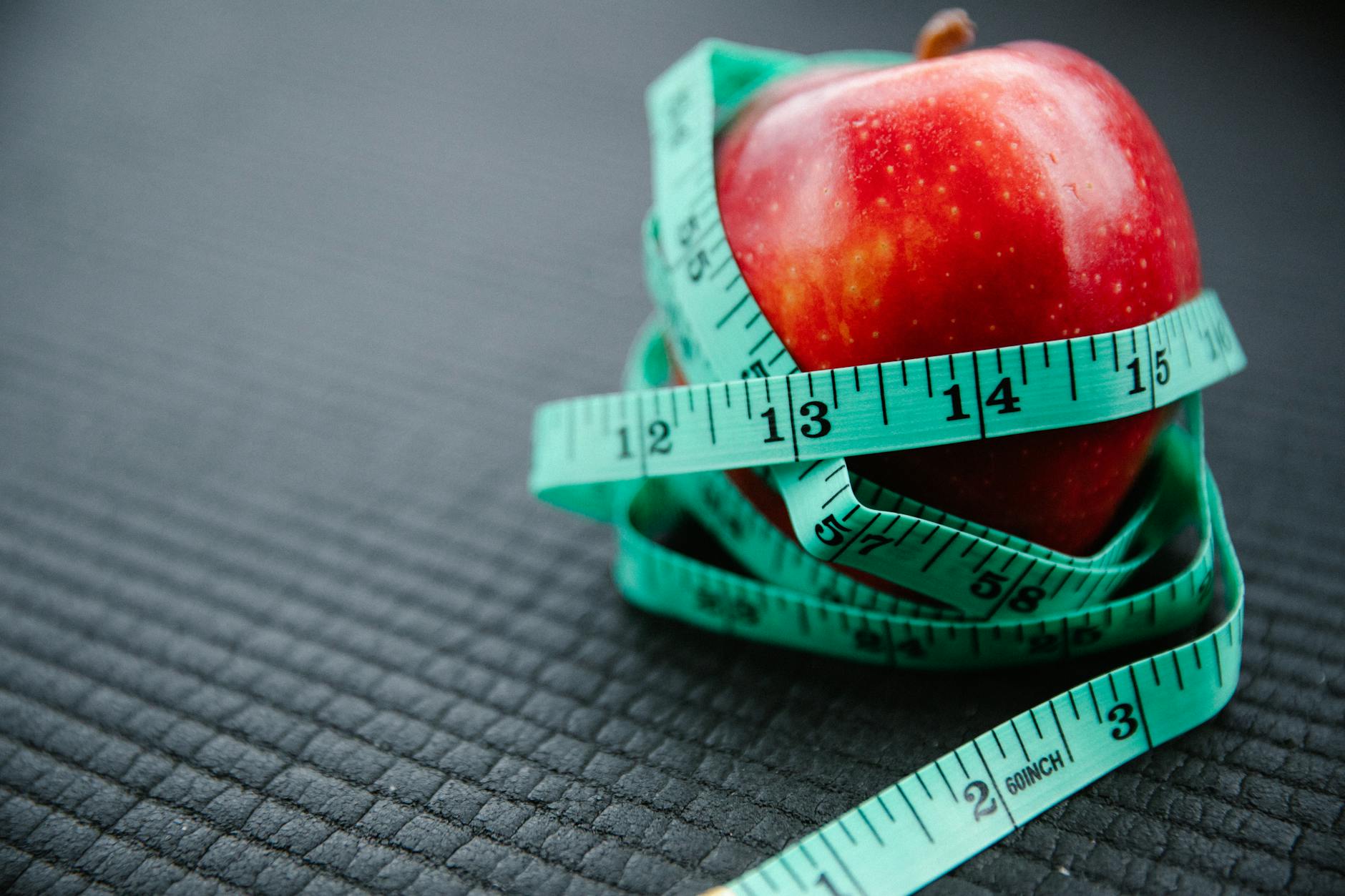
Think fruits, vegetables, lean proteins, and whole grains. These foods are packed with fiber and nutrients, which are crucial for satiety and metabolic health. Fiber, in particular, is a superhero for healthy weight loss, helping you feel fuller for longer and aiding digestion. I always encourage clients to fill at least half their plate with colorful vegetables.
The Power of Lean Protein
Protein is incredibly important for healthy weight loss. It has a higher thermic effect than carbs or fats, meaning your body burns more calories digesting it. Plus, it’s essential for building and repairing muscle tissue, which is vital for boosting your metabolism. Aim for sources like chicken breast, fish, beans, lentils, and tofu.
Smart Carbohydrate Choices
Carbohydrates aren't the enemy; processed, refined carbs are. Opt for complex carbohydrates like sweet potatoes, quinoa, oats, and brown rice. These provide sustained energy and are rich in fiber. This one surprised me when I first started focusing on nutrition – I thought all carbs were bad!
Understanding Portion Control
Even healthy foods can contribute to weight gain if eaten in excess. Learning to recognize appropriate portion sizes is critical. Using smaller plates, measuring out servings, and paying attention to your body's fullness cues are excellent strategies for effective weight loss.
Incorporating Exercise for Weight Loss and Overall Health
Exercise is a non-negotiable component of healthy weight loss. It not only burns calories but also builds muscle, boosts your metabolism, improves your mood, and enhances your overall health. The key is finding activities you enjoy so you stick with them.
Cardiovascular Exercise: Getting Your Heart Pumping
Aerobic exercise, like brisk walking, running, swimming, or cycling, is fantastic for burning calories and improving cardiovascular health. Aim for at least 150 minutes of moderate-intensity aerobic activity per week, as recommended by health organizations like the World Health Organization. Even a 30-minute brisk walk most days can make a significant difference.
Strength Training: Building Your Metabolic Engine
Don't shy away from strength training! Building muscle mass is crucial for healthy weight loss because muscle burns more calories at rest than fat. Incorporate weightlifting, bodyweight exercises, or resistance bands a few times a week. This is where you truly boost metabolism fat loss.
Consistency Over Intensity
It’s far better to do moderate exercise consistently than to do intense workouts sporadically. Find activities you genuinely enjoy. If you hate running, don't force yourself to run marathons. Try dancing, hiking, or playing a sport. The goal is to move your body regularly.
A Client Success Story
I remember working with Sarah, who was convinced she hated exercise. She’d tried every gym class imaginable and always quit. We focused on finding activities she enjoyed outside the gym. She discovered a love for hiking local trails and joined a weekly salsa dancing class. Within six months, she’d not only lost 20 pounds but also felt more energetic and confident than ever before. It wasn't about grueling workouts; it was about finding joy in movement.

Mindful Eating and Portion Control: The Unsung Heroes
Many of us eat on autopilot, barely registering what we're consuming. Mindful eating is about bringing your attention to the experience of eating – the tastes, textures, and smells. It helps you appreciate your food and recognize fullness cues, which are vital for preventing overeating and achieving healthy weight loss.
Savoring Every Bite
When you eat mindfully, you slow down. You chew your food thoroughly. You put your fork down between bites. This simple practice allows your brain to register that you're eating and signal satiety to your body. It's a game-changer for understanding hunger and fullness.
Recognizing True Hunger
Are you eating because you're hungry, or because it's "time" to eat, or because the food is there? Learning to distinguish between physical hunger and emotional hunger is a critical skill for long-term success. This is often the hardest part for people, but so incredibly rewarding when you get it right.
The Role of Hydration
Often, thirst can be mistaken for hunger. Drinking enough water throughout the day is crucial for metabolism, energy levels, and can even help curb unnecessary snacking. Aim for around 8 glasses of water daily, and more if you're exercising or in a hot climate. Hydration for weight loss is often overlooked!
Building Lasting Healthy Eating Habits
The journey to healthy weight loss is paved with consistent, healthy eating habits. This isn't about temporary restrictions; it's about cultivating a lifestyle where nutritious food is the norm, not the exception. This is where the real, sustainable weight loss happens.
Planning Your Meals
Meal planning is a powerful tool. When you know what you're going to eat, you're less likely to make impulsive, unhealthy food choices. Spend a little time each week planning your meals and snacks. This can save you time, money, and prevent those dreaded "what's for dinner?" moments.
Smart Snacking Strategies
Snacks can derail your healthy weight loss efforts if they're not chosen wisely. Opt for nutrient-dense snacks like a handful of almonds, Greek yogurt with berries, or an apple with peanut butter. These provide sustained energy and keep hunger at bay between meals. I often suggest looking at Weight Watchers recipes for inspiration on balanced snacks.
Don't Aim for Perfection, Aim for Progress
Here's the thing: you're human. There will be days when you overindulge or fall off track. Don't let a single slip-up derail your entire effort. Acknowledge it, learn from it, and get back to your healthy habits at the next meal. This resilience is key to lose winter weight or any weight goal.
The Mental Game: Motivation and Mindset
Weight loss is as much a mental battle as it is a physical one. Cultivating a positive mindset and maintaining motivation are crucial for navigating the ups and downs of your journey. Without the right mindset, even the best-laid plans can crumble.
Setting Realistic Goals
Setting achievable goals is paramount. Instead of aiming to lose 50 pounds in two months, focus on losing 1-2 pounds per week. This approach is not only more sustainable but also less daunting. Celebrate small victories along the way; they fuel your weight loss motivation.
Dealing with Setbacks
Setbacks are inevitable. You might hit a plateau, have a stressful week that leads to emotional eating, or simply feel unmotivated. The key is not to let these moments define your journey. Learn from them, adjust your strategy if needed, and keep moving forward. Research from the National Institutes of Health consistently shows that perseverance is a key factor.
Finding Your "Why"
What is your deeper reason for wanting to lose weight? Is it to have more energy to play with your kids? To improve your health markers? To feel more confident? Connecting with your core motivation can provide the drive you need when willpower wanes. This intrinsic motivation is far more powerful than any external pressure.
A Final Thought on Your Healthy Weight Loss Journey
The path to healthy weight loss is not a sprint; it's a lifelong commitment to well-being. It’s about making conscious choices that honor your body, nourish your spirit, and empower you to live your healthiest, happiest life. Embrace the process, be kind to yourself, and remember that every small, positive step you take is a victory. The most important thing you can do is start, and keep going, one healthy choice at a time.