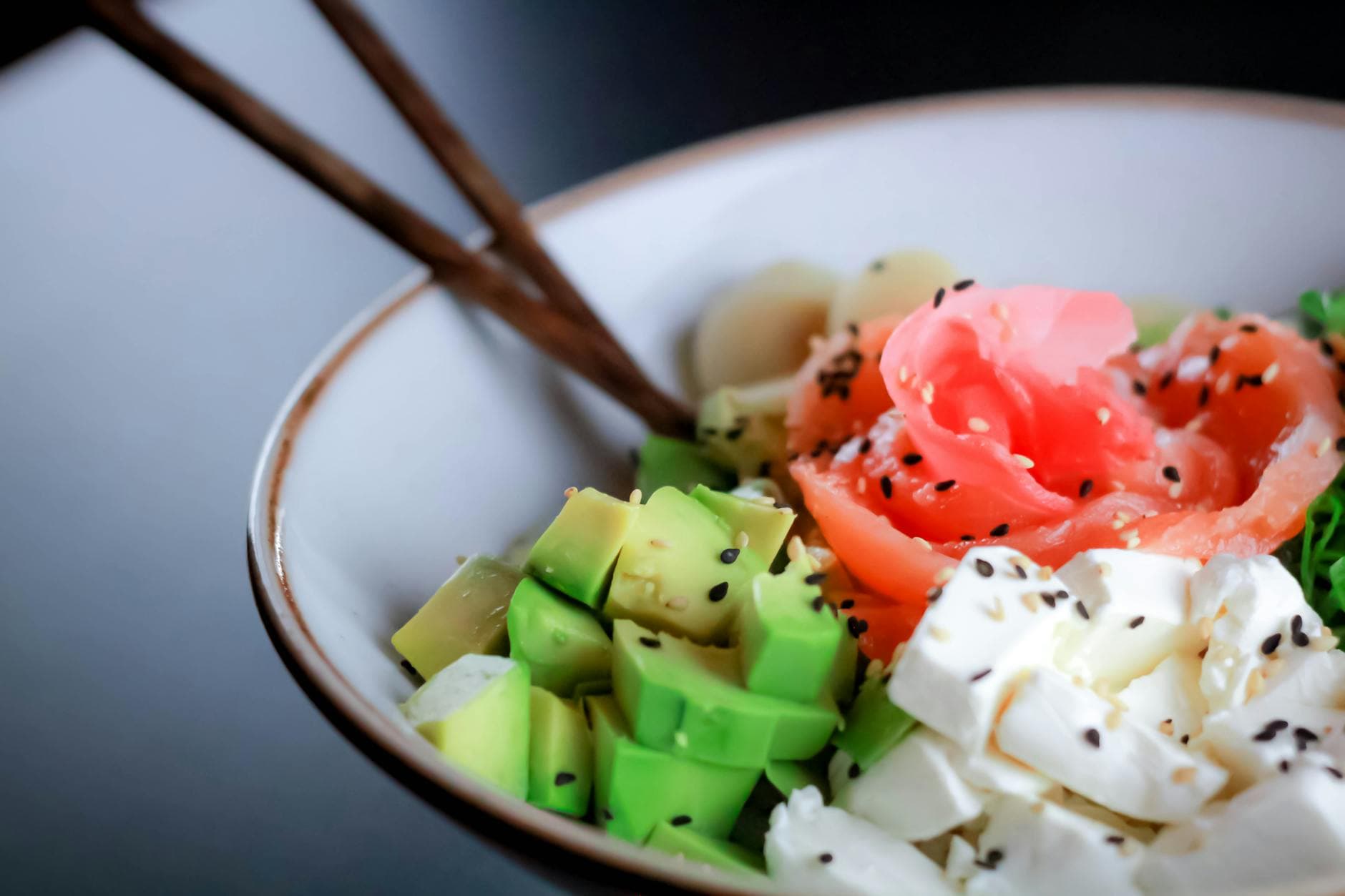
Have you ever felt like you're constantly battling your own body, trying to find that sweet spot between feeling satisfied and achieving your health goals? Maybe you've experimented with diets that slash fat only to leave you craving more, or perhaps you've gone low-carb and felt a little too… restricted. It's a common struggle, and honestly, I've been there. But what if I told you there's a fascinating, often misunderstood approach that might just be the key to unlocking a more balanced, energized you? I'm talking about the intriguing world of low fat low carb eating, and it’s far more nuanced and promising than many give it credit for.
The Misconceptions Around Low Fat Low Carb
The term "low fat low carb" can sound like an oxymoron, can't it? Our brains are wired to think of diets as either one or the other. We’ve been bombarded with messages for decades: low-fat is good, carbs are bad, or vice versa. This duality has created a sort of dietary dogma, making it hard to imagine a middle ground that actually works. I used to think the same way. If you're cutting carbs, you need fat for energy, right? And if you're cutting fat, you need carbs for satiety. This is where the conventional wisdom falls short, and where the real discovery begins.
Challenging Dietary Dogma
Here's the thing: the body is incredibly adaptable. It doesn't need extreme restrictions to thrive. The narrative that you must choose between high-fat or low-fat has oversimplified nutrition for far too long. We're not just machines that run on one fuel source. Understanding how our bodies utilize macronutrients is key, and it's more intricate than a simple "good" or "bad" label.
The Nuance of Macronutrient Balance
When we talk about low fat low carb, we're not necessarily advocating for a diet devoid of either. Instead, it’s about finding a specific, often personalized, balance. This approach can be incredibly effective for certain individuals, especially those looking for sustained energy without the blood sugar spikes and crashes associated with high-carb, high-fat diets. It’s about smart choices, not deprivation.
What Exactly IS Low Fat Low Carb?
Let's get down to brass tacks. A low fat low carb diet typically involves reducing both your fat and carbohydrate intake significantly. However, the *degree* to which you reduce them is where the personalization comes in. It’s not the same as a ketogenic diet, which is very high in fat and very low in carbs. Nor is it a traditional low-fat diet, which often replaces fat with carbohydrates. This approach aims for a more moderate reduction in both, focusing on nutrient-dense foods that provide sustained energy and satiety.
Defining the "Low"
What constitutes "low" can vary. For carbohydrates, it generally means staying below 100-150 grams per day, though many find success in the 50-100 gram range. For fat, it might mean keeping intake to around 20-30% of daily calories, rather than the 40-50% often seen in higher-fat diets. The goal isn't zero fat or zero carbs, but a deliberate reduction to encourage the body to utilize energy more efficiently and potentially tap into stored fat reserves without the intense restriction of a strict keto diet.
The Role of Protein
Protein plays a starring role here. It's crucial for satiety, muscle maintenance, and overall metabolic health. A well-formulated low fat low carb plan will ensure adequate protein intake, which helps bridge the gap left by reduced fats and carbs, keeping you feeling full and satisfied. Think lean proteins like chicken breast, fish, turkey, and plant-based options like tofu and legumes (in moderation, given their carb content).

The Surprising Benefits You Might Not Expect
This is where my journalistic curiosity really kicked in. I started looking into the science, and honestly, some of the findings were quite compelling. It turns out that a well-structured low fat low carb approach can offer a unique set of advantages that might not be immediately obvious.
Blood Sugar Stability
One of the most significant benefits I've seen discussed in Harvard Health research on low fat low carb is its potential for blood sugar management. By reducing carbohydrate intake, you naturally lessen the spikes in glucose and insulin that can lead to energy crashes and long-term health issues. This stability can translate into more consistent energy levels throughout the day, helping you avoid that mid-afternoon slump. It’s like smoothing out a bumpy road for your metabolism.
Improved Satiety and Reduced Cravings
This one surprised me. I always thought low-fat meant constant hunger. However, when combined with adequate protein and fiber from non-starchy vegetables, this approach can actually lead to increased feelings of fullness. The key is choosing the right kinds of fats (even in moderation) and focusing on fiber-rich, low-carb vegetables. This synergy helps to curb cravings, making it easier to stick to your eating plan long-term. You're not just eating less; you're eating smarter.
Potential for Weight Management
While not a magic bullet, a low fat low carb diet can be a powerful tool for weight management. By reducing overall calorie intake and promoting satiety, it can help create a calorie deficit necessary for weight loss. Furthermore, the emphasis on whole, unprocessed foods often leads to a higher nutrient intake, supporting overall health during the weight loss journey. National Institutes of Health research on low fat low carb has explored its efficacy in various populations.
Crafting Delicious Low Fat Low Carb Recipes
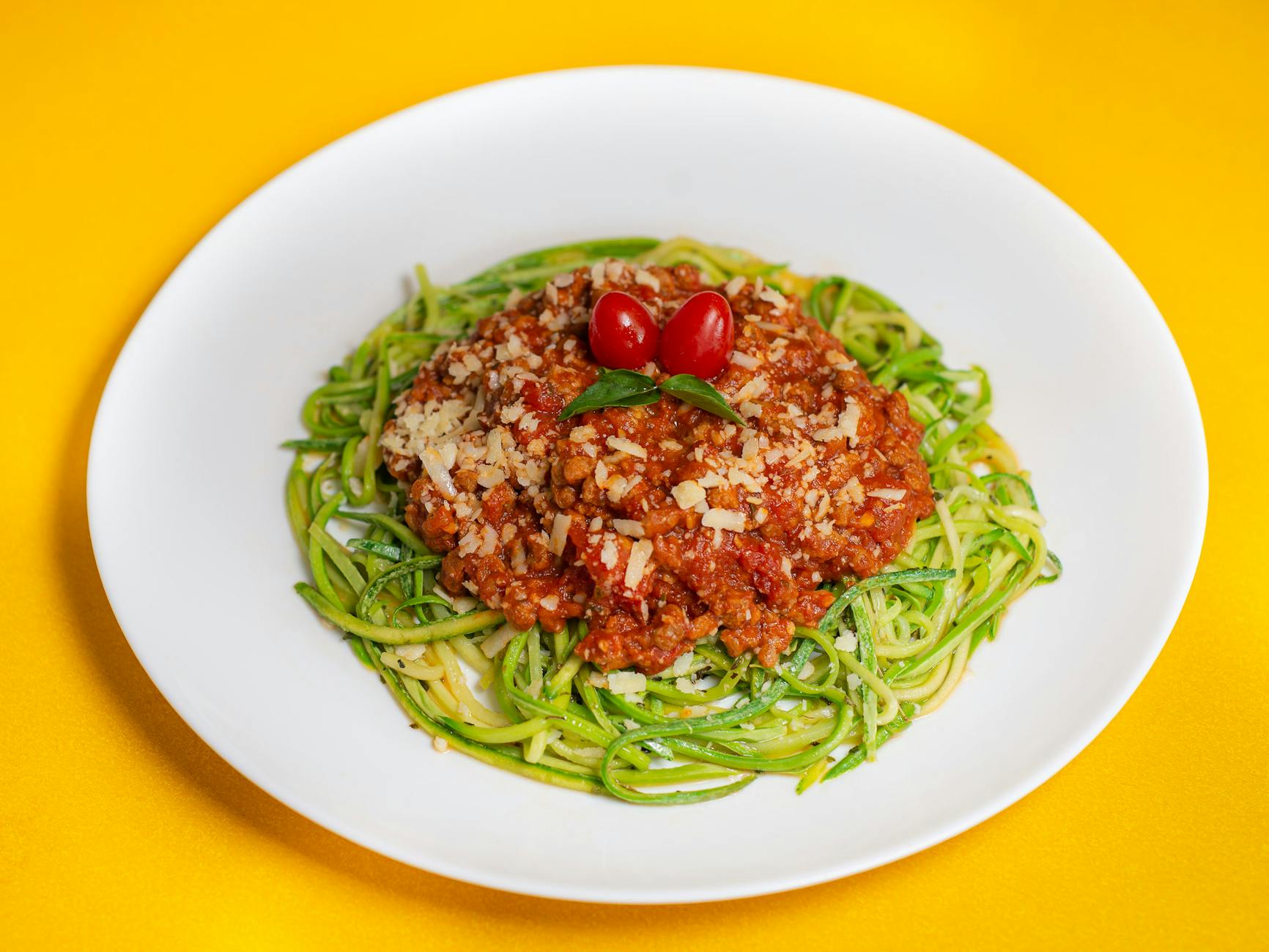
Now, let's talk about the fun part: the food! The idea of low fat low carb recipes might conjure images of bland, uninspired meals, but I promise you, it doesn't have to be that way. The culinary possibilities are vast and exciting. Think vibrant salads, flavorful stir-fries, and satisfying baked dishes that are both healthy and delicious.
Breakfast Brilliance
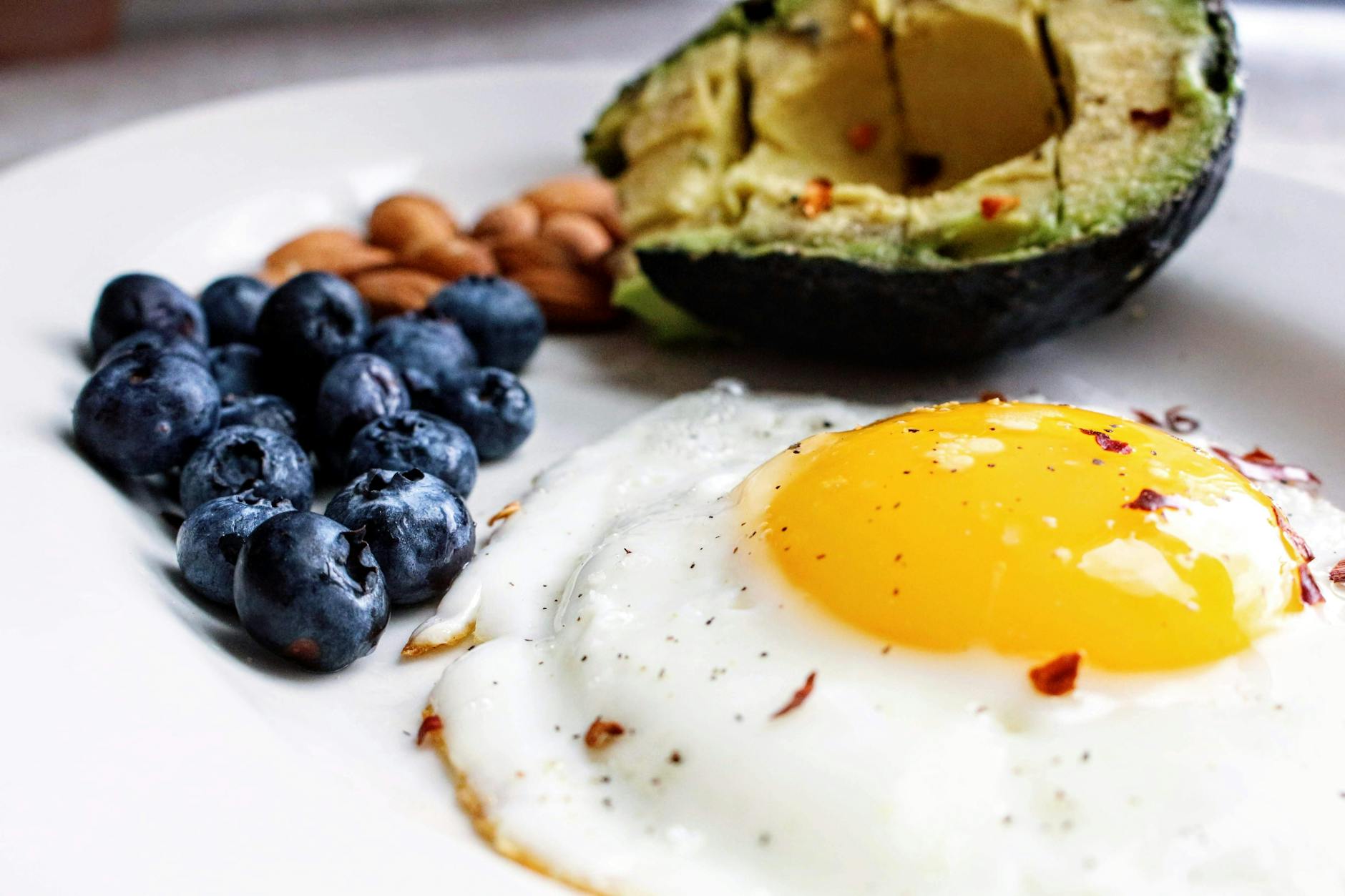
Starting your day right sets the tone. For low carb breakfast ideas that fit this profile, consider a scramble with lean turkey or egg whites, loaded with non-starchy vegetables like spinach, bell peppers, and mushrooms. A small portion of berries can add a touch of sweetness without a significant carb load. Another fantastic option is a Greek yogurt parfait with a sprinkle of nuts and seeds, focusing on plain, unsweetened varieties. These options provide protein and healthy fats to keep you full until lunch.
Lunchtime Wins
For midday meals, think big, colorful salads with grilled chicken breast or fish, a light vinaigrette, and plenty of leafy greens, cucumbers, and tomatoes. Another go-to for low carb meals is a hearty lentil soup (in moderation for carbs) or a turkey and veggie lettuce wrap. These are perfect for packing and taking on the go, ensuring you have a healthy option readily available.
Dinner Delights
When it comes to low carb dinner ideas, the options are truly endless. Imagine baked salmon with a side of roasted asparagus and a lemon-dill sauce. Or perhaps a lean beef stir-fry packed with broccoli, snap peas, and a light soy-ginger sauce. Many easy weeknight dinners can be adapted to be low fat and low carb by simply swapping out starchy sides for extra vegetables and opting for leaner protein sources. For a special occasion, consider a easy dinner for two featuring pan-seared chicken with a side of cauliflower mash. The key is to focus on lean proteins, an abundance of non-starchy vegetables, and healthy fats used judiciously for flavor and satiety.

Navigating the Challenges and Staying on Track
No dietary change is without its hurdles, and the low fat low carb approach is no exception. Being aware of these potential pitfalls can help you navigate them more effectively and ensure long-term success.
Understanding Hidden Fats and Carbs
One of the trickiest aspects is identifying hidden sources of both fat and carbs in your food. Sauces, dressings, and pre-packaged meals can be loaded with unhealthy fats or added sugars that derail your efforts. Always read labels diligently. For example, a seemingly healthy salad dressing might be packed with sugar or oil. Similarly, some plant-based protein sources, while healthy, can be higher in carbohydrates than you might initially assume.
The Importance of Whole Foods
This is critical for success. Focusing on whole, unprocessed foods is paramount. Think lean meats, fish, poultry, eggs, non-starchy vegetables, and a moderate amount of fruits and nuts. Processed "low-fat" or "low-carb" substitutes often contain artificial ingredients and can be less satisfying. Prioritizing whole foods ensures you're getting essential nutrients and fiber, which are vital for satiety and overall health. This aligns with the principles of mindful eating, where the quality and source of your food become paramount.
Finding Your Personal Balance
What works for one person might not work for another. The beauty of a low fat low carb approach is its flexibility. You might find that you feel best with slightly more fat and fewer carbs, or vice versa. Experimenting and listening to your body is key. Don't be afraid to adjust your macronutrient ratios based on your energy levels, hunger, and overall well-being. Consulting with a registered dietitian or nutritionist can provide personalized guidance, especially if you have underlying health conditions. The Mayo Clinic research on low fat low carb often emphasizes this individualization.
Beyond the Diet: A Sustainable Lifestyle Shift
Ultimately, the most impactful change isn't just about following a diet; it's about adopting a sustainable lifestyle. The principles of low fat low carb eating, when embraced thoughtfully, can lead to a more balanced relationship with food and a greater understanding of your body's needs.
Focusing on Nutrient Density
This way of eating encourages a focus on nutrient-dense foods. By limiting less nutritious options, you naturally make room for foods that offer a wealth of vitamins, minerals, and antioxidants. Incorporating a variety of colorful vegetables, lean proteins, and small amounts of healthy fats ensures your body receives the building blocks it needs to function optimally. Think of it as curating a vibrant plate of goodness, much like what you'd find in seasonal spring produce recipes or the energy-boosting power of Spring Superfoods Energy: 5 Top Picks for 2026.
The Power of Consistency
Consistency is the cornerstone of any successful health endeavor. While occasional deviations are normal, the real magic happens when you consistently make choices that align with your goals. This isn't about perfection; it's about progress. Celebrate small victories, learn from setbacks, and keep moving forward. The journey to better health is a marathon, not a sprint, and finding an eating pattern that you can sustain long-term is the ultimate win.
So, if you've been feeling stuck in a dietary rut, perhaps it's time to explore the fascinating and often overlooked world of low fat low carb. It might just be the key to unlocking a more energized, balanced, and satisfying way of eating that nourishes your body from the inside out. It's a journey of discovery, and the most exciting part is finding what truly works for *you*.