Picture this: it’s 3 PM. You’re staring at your computer screen, energy levels plummeting faster than a dropped cookie. Suddenly, your stomach starts rumbling, not a gentle whisper, but a full-blown opera demanding immediate attention. You find yourself eyeing the vending machine, contemplating a sugar-laden snack that will only provide a fleeting fix, followed by an inevitable crash. If this sounds familiar, you’re not alone. The struggle for sustained energy and avoiding those dreaded afternoon cravings is real, and the secret weapon often lies in understanding the power of fiber foods fullness.
The Science Behind Feeling Full: How Fiber Works Its Magic
It’s not just about willpower, you see. Our bodies are designed to respond to specific signals, and satiety – that feeling of being comfortably full – is a complex interplay of hormones, stomach stretch, and nutrient absorption. Fiber plays a starring role in this whole production, and honestly, it’s one of the most overlooked nutrients when people talk about weight management and sustained energy.
Fiber's Dual Action: Soluble vs. Insoluble
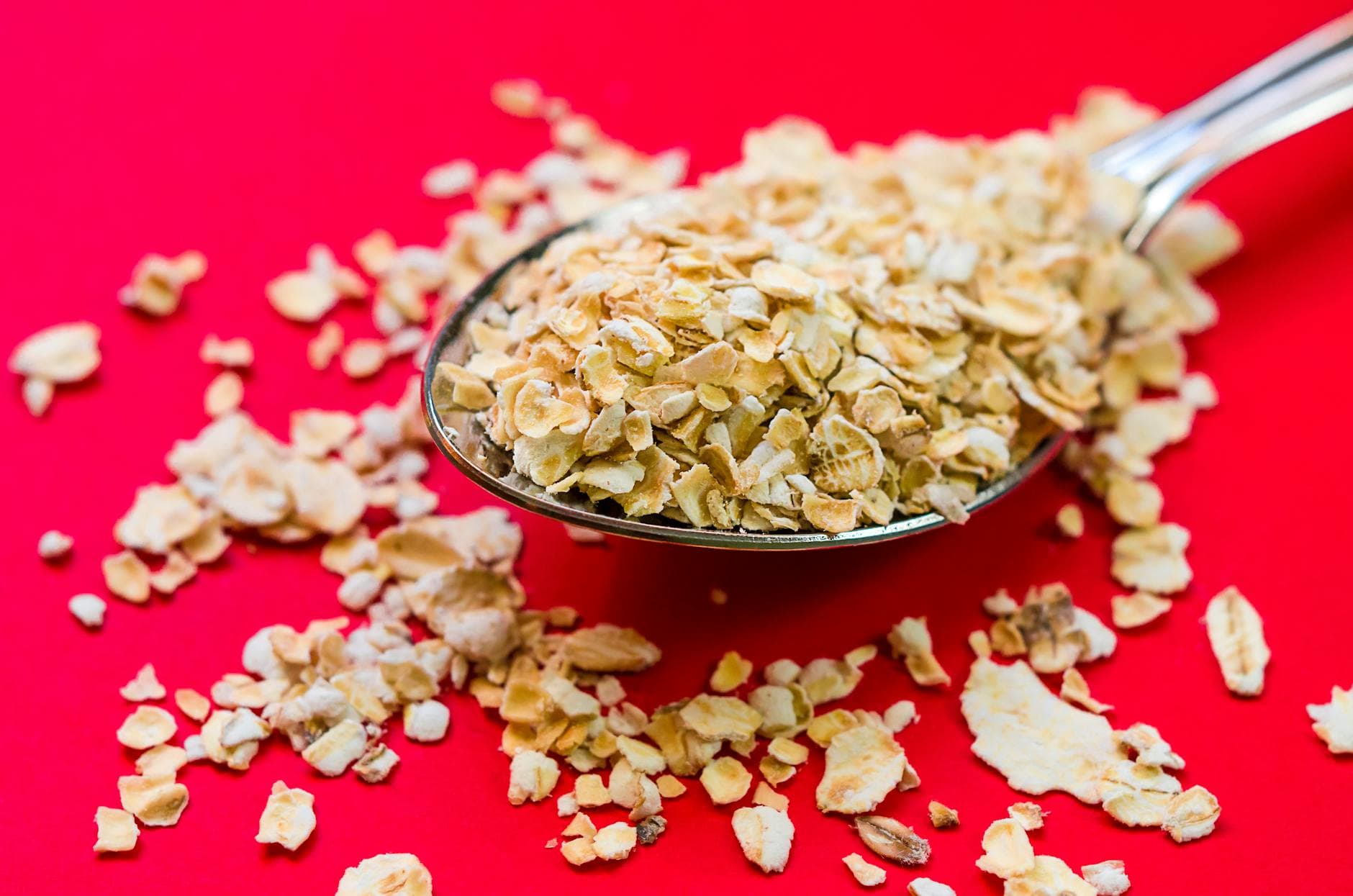
When we talk about fiber, it’s important to know there are two main types, and they work differently to give you that satisfying feeling. Soluble fiber, found in things like oats, beans, and apples, dissolves in water to form a gel-like substance. This gel slows down digestion, meaning your stomach empties more slowly. This is a huge win for keeping you feeling full longer.
Insoluble fiber, on the other hand, doesn’t dissolve. Think of the skins of fruits, whole grains, and vegetables. This type adds bulk to your stool and helps move things along your digestive tract smoothly. While it doesn’t form a gel, the added bulk itself contributes to that feeling of fullness and can help prevent overeating.
The Gut-Brain Connection: A Fuller Stomach, a Calmer Mind
Here's the thing that often surprises people: the connection between your gut and your brain is incredibly powerful. When your stomach feels full and satisfied, it sends signals to your brain telling it you've had enough. Fiber enhances this by not only physically stretching your stomach but also by influencing hormones like ghrelin (the hunger hormone) and peptide YY (a satiety hormone). A high fiber diet can literally help to regulate your appetite naturally.
Beyond Fullness: The Broader Health Perks
While the immediate benefit of fiber foods fullness is fantastic for managing hunger, the long-term health advantages are even more profound. A robust intake of fiber is linked to improved digestive health benefits, helping to keep things regular and preventing issues like constipation. It's also a cornerstone of blood sugar control, as the gel formed by soluble fiber slows down the absorption of sugar into your bloodstream, preventing those sharp spikes and subsequent crashes.
Top Fiber-Rich Foods That Keep You Satisfied
Now that we understand *why* fiber works, let's talk about the *what*. Building a high fiber diet is all about incorporating these powerhouses into your daily meals. You don't need to make drastic changes overnight; small, consistent additions can make a huge difference.
The Humble Legume: Beans, Lentils, and Peas
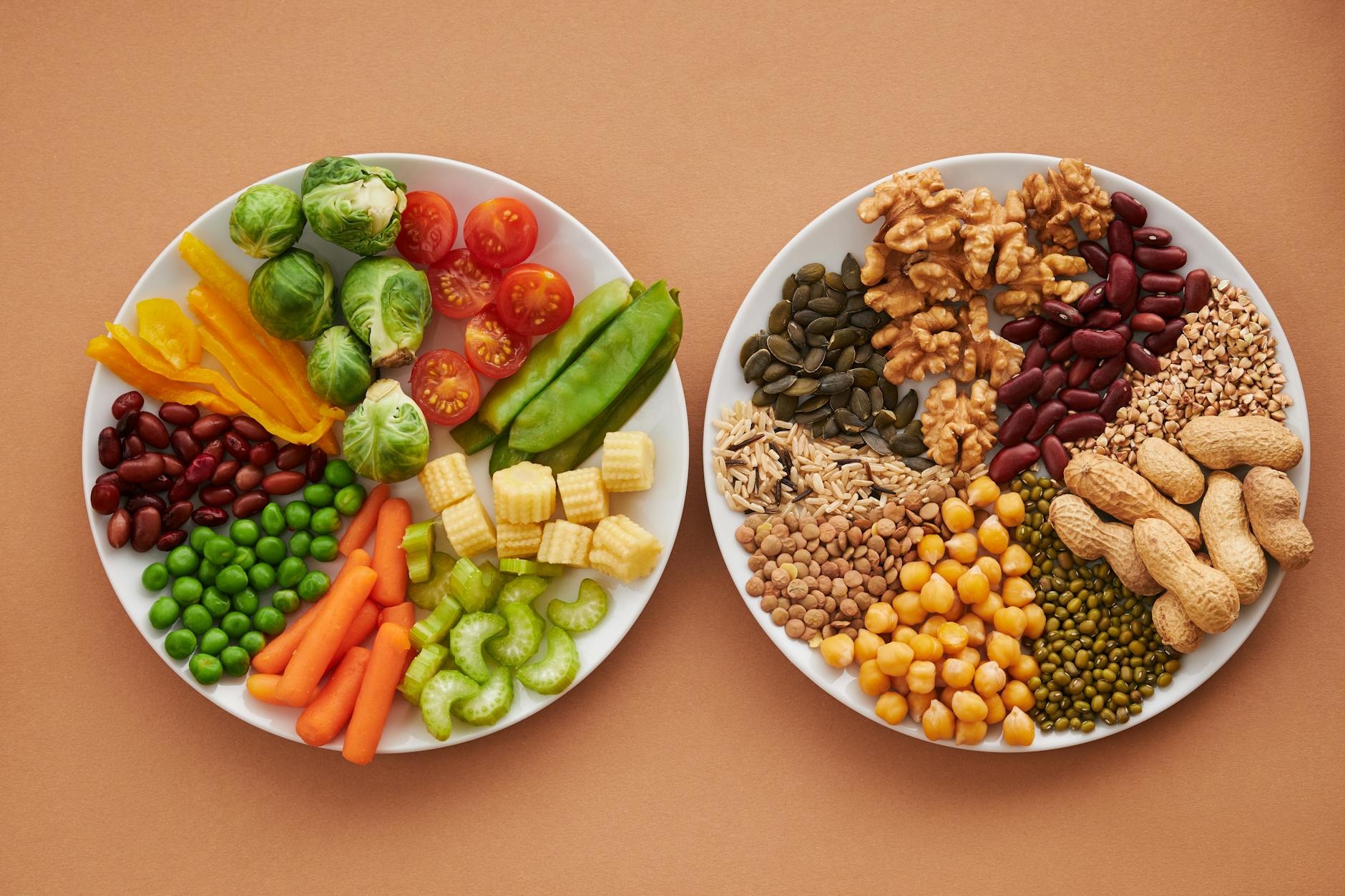
Honestly, if I had to pick one category of food that’s a champion for fiber and satiety, it would be legumes. A single cup of cooked black beans, for example, can pack over 15 grams of fiber! They are incredibly versatile, too. Add them to soups, salads, chili, or even blend them into dips. I used to think they were just for hearty stews, but they can elevate so many dishes.
Whole Grains: More Than Just Breakfast
When you see "whole grain" on a label, it means the entire grain kernel is used, which is where the fiber resides. Think oats, quinoa, brown rice, barley, and whole wheat bread. These are fantastic foods for satiety. A bowl of oatmeal in the morning, for instance, will keep you feeling much more satisfied than a refined cereal, helping you avoid those mid-morning snack attacks. For a truly filling meal, try swapping white rice for quinoa or brown rice.
Fruits and Vegetables: Nature's Fiber Bombs
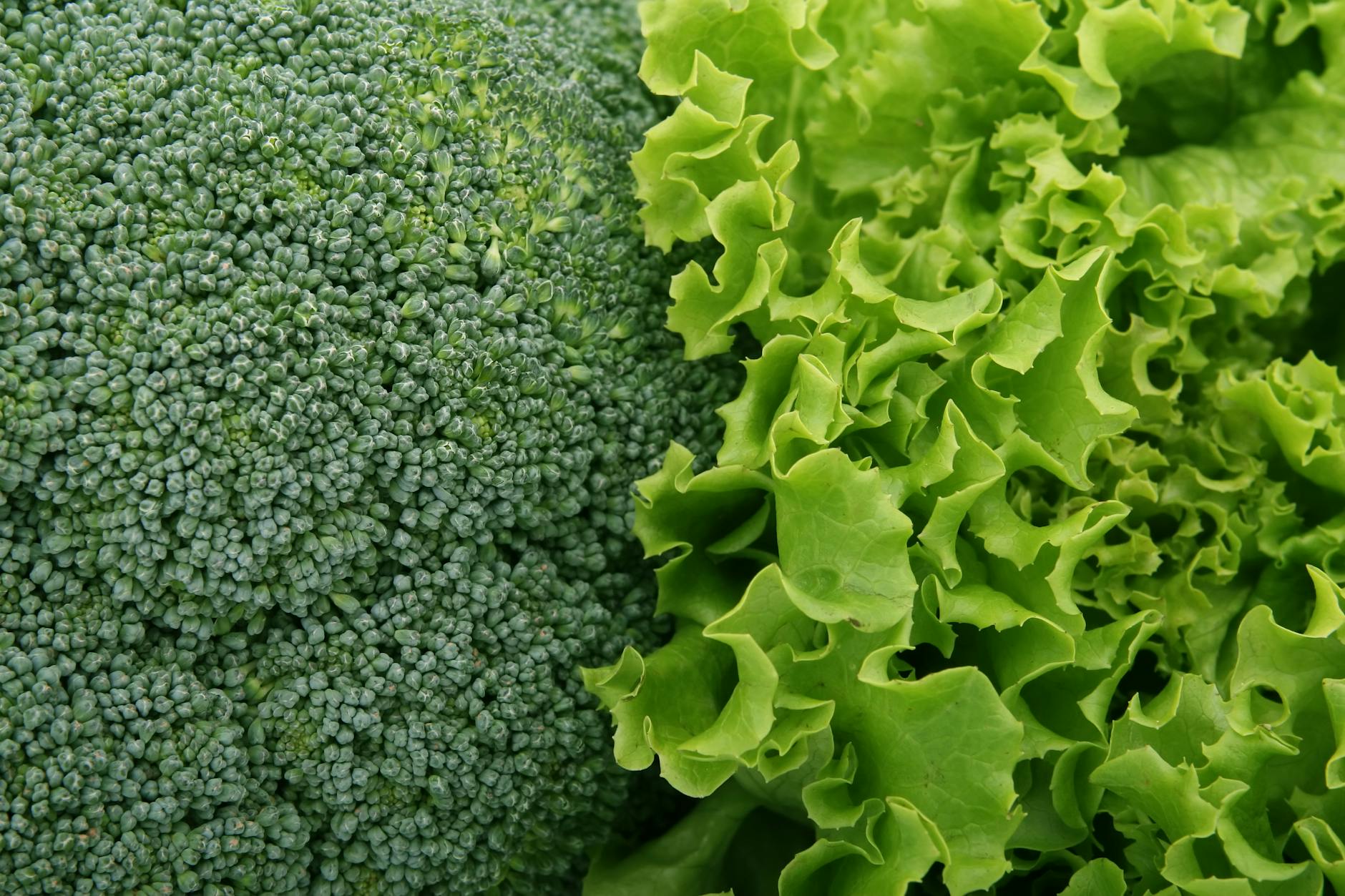
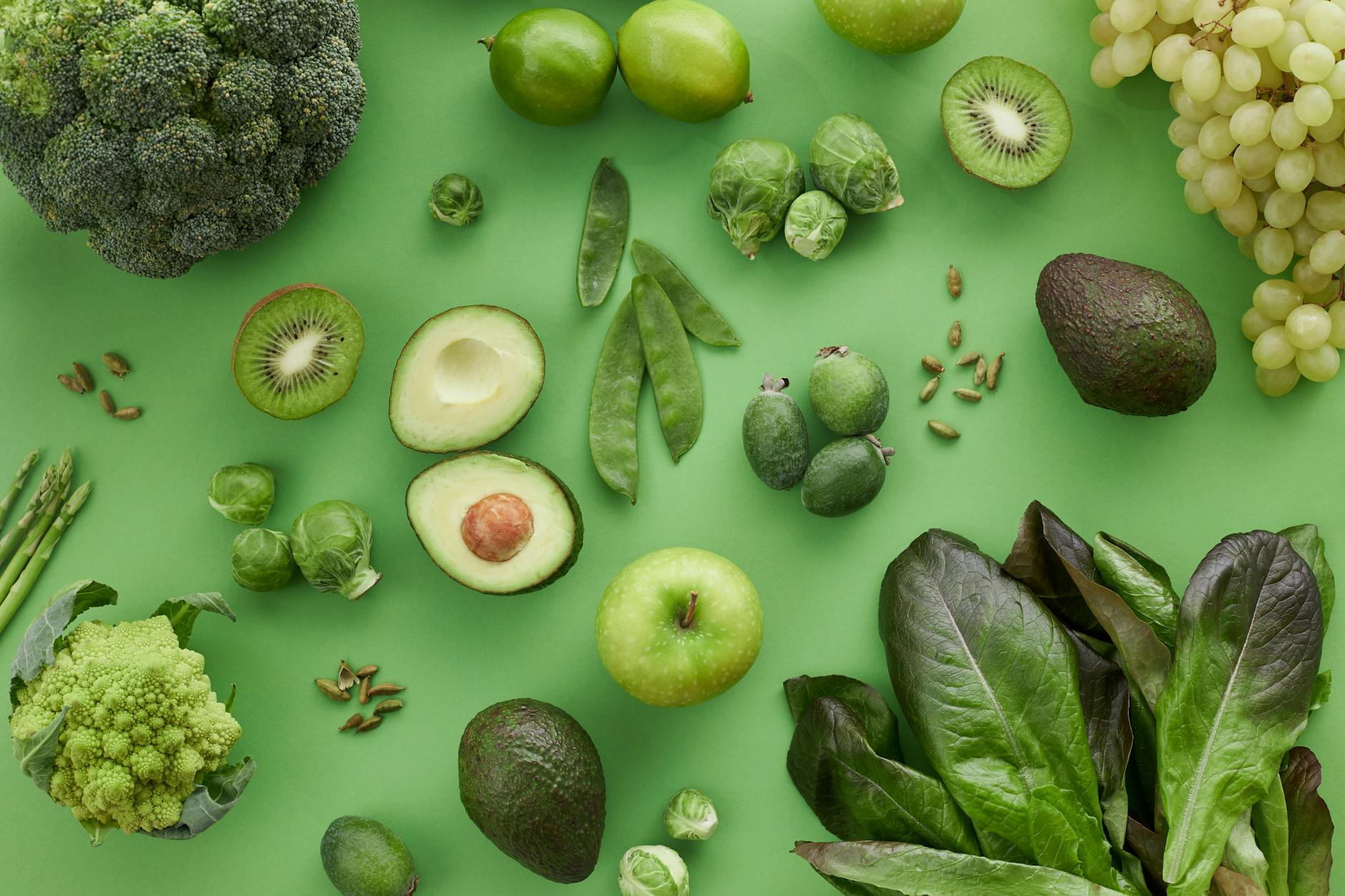
Don’t underestimate the power of produce! Berries, especially raspberries and blackberries, are fiber superstars. Apples and pears, with their skins on, are also excellent choices. For vegetables, think about cruciferous veggies like broccoli and Brussels sprouts, as well as leafy greens, carrots, and sweet potatoes. Aim to fill half your plate with colorful vegetables at every meal for a significant fiber boost and a feeling of fullness.
Nuts and Seeds: Small but Mighty
While calorie-dense, nuts and seeds are packed with fiber, healthy fats, and protein, a trio that’s incredible for keeping you full. Chia seeds, flaxseeds, almonds, and walnuts are all excellent additions. Sprinkle chia seeds into your yogurt or smoothie, add flaxseeds to baked goods, or enjoy a small handful of almonds as a satisfying snack. This one surprised me with how much a small portion can curb hunger.
Strategies for Maximizing Fiber Intake and Fullness
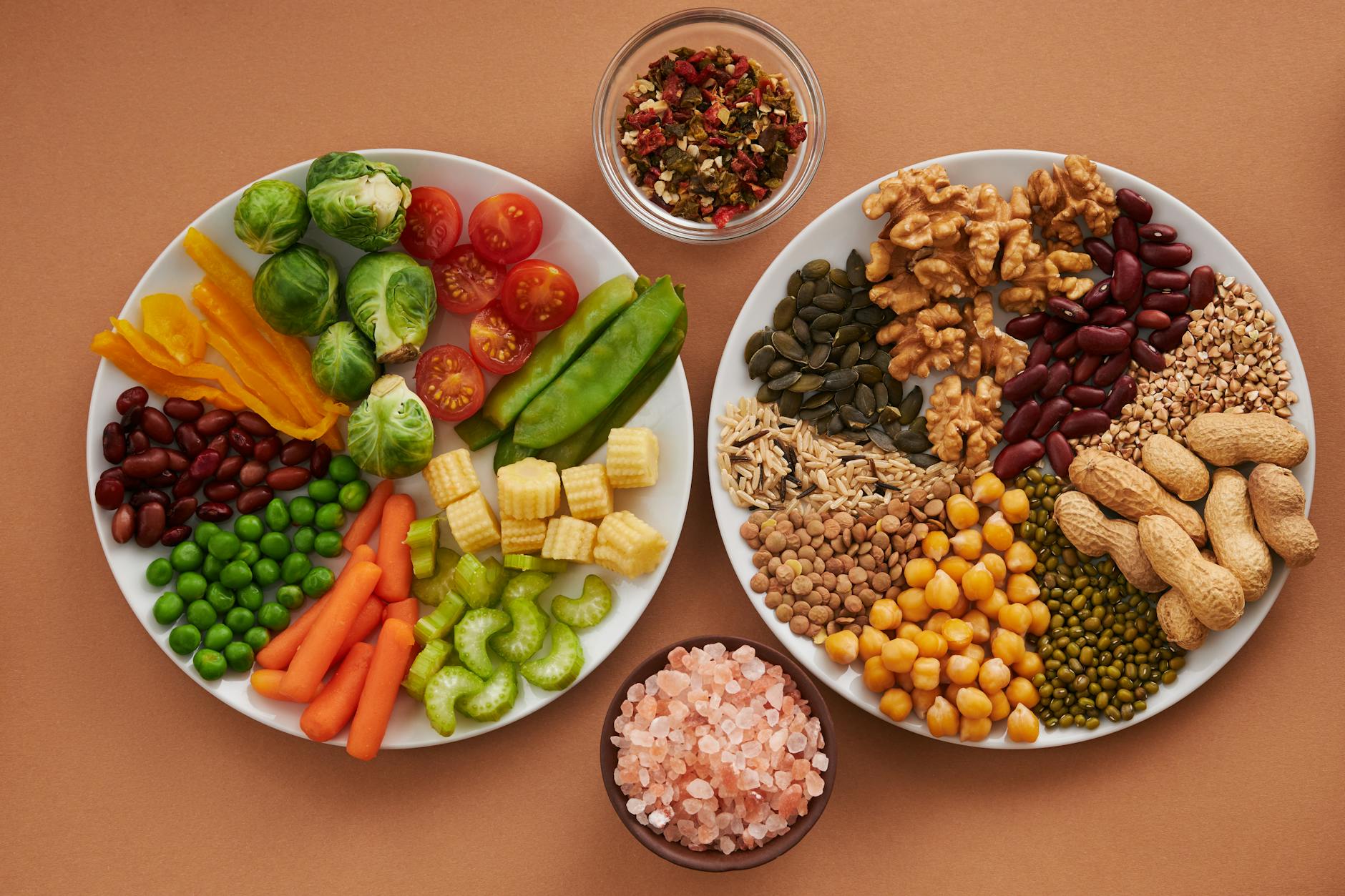
Simply knowing which foods are high in fiber is the first step. The next is integrating them effectively into your diet to truly experience the benefits of fiber foods fullness. It’s about smart choices and consistent habits.
Start Your Day Right: The Breakfast Boost
Your breakfast sets the tone for your entire day. Skipping it or opting for sugary, refined options is a recipe for disaster when it comes to sustained energy and appetite control. Instead, choose options rich in fiber and protein. Overnight oats made with rolled oats, chia seeds, and berries, or a scramble with plenty of spinach and a side of whole-grain toast, will provide a solid foundation that keeps you feeling good until lunch.
Smart Snacking: Beat the Cravings
Snacking isn’t the enemy; mindless snacking is. When you feel that familiar pang of hunger between meals, reach for fiber-rich options instead of processed convenience foods. An apple with a tablespoon of almond butter, a small handful of walnuts, or a container of Greek yogurt topped with berries are all excellent choices that offer fiber foods fullness and nutrients, rather than just empty calories.
Hydration is Key: Drink Up!
This might sound simple, but it’s incredibly important. Water works hand-in-hand with fiber. As fiber absorbs water, it swells and creates that feeling of fullness. Drinking plenty of water throughout the day ensures that fiber can do its job effectively. Sometimes, what feels like hunger is actually thirst. I’ll be real with you; I often forget to drink enough, and then wonder why I’m hungry an hour after eating.
Mindful Eating: Savor Every Bite
Fiber foods fullness is amplified when you eat mindfully. This means paying attention to your food, chewing thoroughly, and listening to your body's hunger and fullness cues. Eating too quickly doesn't give your brain enough time to register that you're actually full, leading to overeating. Try putting your fork down between bites and really savoring the textures and flavors.
Here's the Truth About Fiber and Weight Loss
Many people turn to increasing fiber intake specifically for weight loss fiber benefits. And yes, it's a powerful tool, but it’s not a magic bullet. What nobody tells you is that while fiber helps you feel full, which naturally reduces calorie intake, you still need to be mindful of overall calorie balance and choose nutrient-dense foods.
Fiber as a Natural Appetite Suppressant
The primary way fiber aids in weight loss is by acting as a natural appetite suppressant. When you consume fiber-rich foods, you feel fuller for longer periods. This significantly reduces the urge to snack excessively and can help you consume fewer calories overall without feeling deprived. Think about the last time you had a big bowl of lentil soup versus a small bag of chips. The soup, packed with fiber, keeps you satisfied for hours.
Preventing Overeating Through Fiber
By promoting satiety, fiber helps prevent overeating. When your stomach is comfortably full, you're less likely to reach for second servings or indulge in high-calorie, low-nutrient foods. This consistent reduction in calorie intake, achieved through smarter food choices, is what drives sustainable weight loss. It’s about retraining your body’s hunger signals and creating a more balanced relationship with food.
The Importance of a Balanced Approach
While focusing on fiber foods fullness is excellent, a healthy weight loss fiber strategy involves more than just fiber. It's about creating a sustainable eating pattern that includes a variety of nutrient-dense foods, adequate protein, and healthy fats, alongside plenty of fiber. It's also crucial to pair dietary changes with regular physical activity. The World Health Organization research on fiber foods fullness consistently highlights its role in healthy eating for weight loss, but always within a broader context of a balanced lifestyle.
When to Seek Professional Guidance
While incorporating more fiber is generally beneficial, there are times when it’s wise to consult a professional. If you're making a significant change to your diet, especially if you have pre-existing health conditions, it's always a good idea to get personalized advice.
Gradual Increase for Digestive Comfort
If you're not used to a high-fiber diet, increasing your intake too quickly can lead to bloating and gas. It's best to increase fiber gradually, allowing your digestive system to adjust. Drinking plenty of water is essential during this transition. If you experience persistent digestive discomfort, it's worth discussing with a registered dietitian or your doctor. You might find that certain types of fiber affect you differently, and they can help you navigate this.
Addressing Specific Health Concerns
For individuals managing conditions like diabetes, irritable bowel syndrome (IBS), or other gastrointestinal disorders, a tailored approach to fiber intake is crucial. A healthcare professional can provide guidance on the best types and amounts of fiber for your specific needs, ensuring you reap the benefits without exacerbating your condition. Mayo Clinic research on fiber foods fullness often emphasizes this personalized approach.
Personalized Nutrition Plans
Sometimes, you just need a roadmap. A registered dietitian can help you create a personalized healthy eating for weight loss plan that incorporates optimal fiber foods fullness strategies tailored to your lifestyle, preferences, and health goals. They can also help you identify any underlying nutrient deficiencies or imbalances that might be affecting your appetite or energy levels. The National Institutes of Health research on fiber foods fullness supports the role of professional guidance for optimal outcomes.
Ultimately, understanding and embracing the power of fiber foods fullness is a game-changer. It’s not about deprivation; it’s about nourishment, satisfaction, and creating a body that feels energized and in control. So, the next time you’re reaching for a snack, remember the incredible, filling, and health-boosting potential of fiber. Your body will thank you for it.