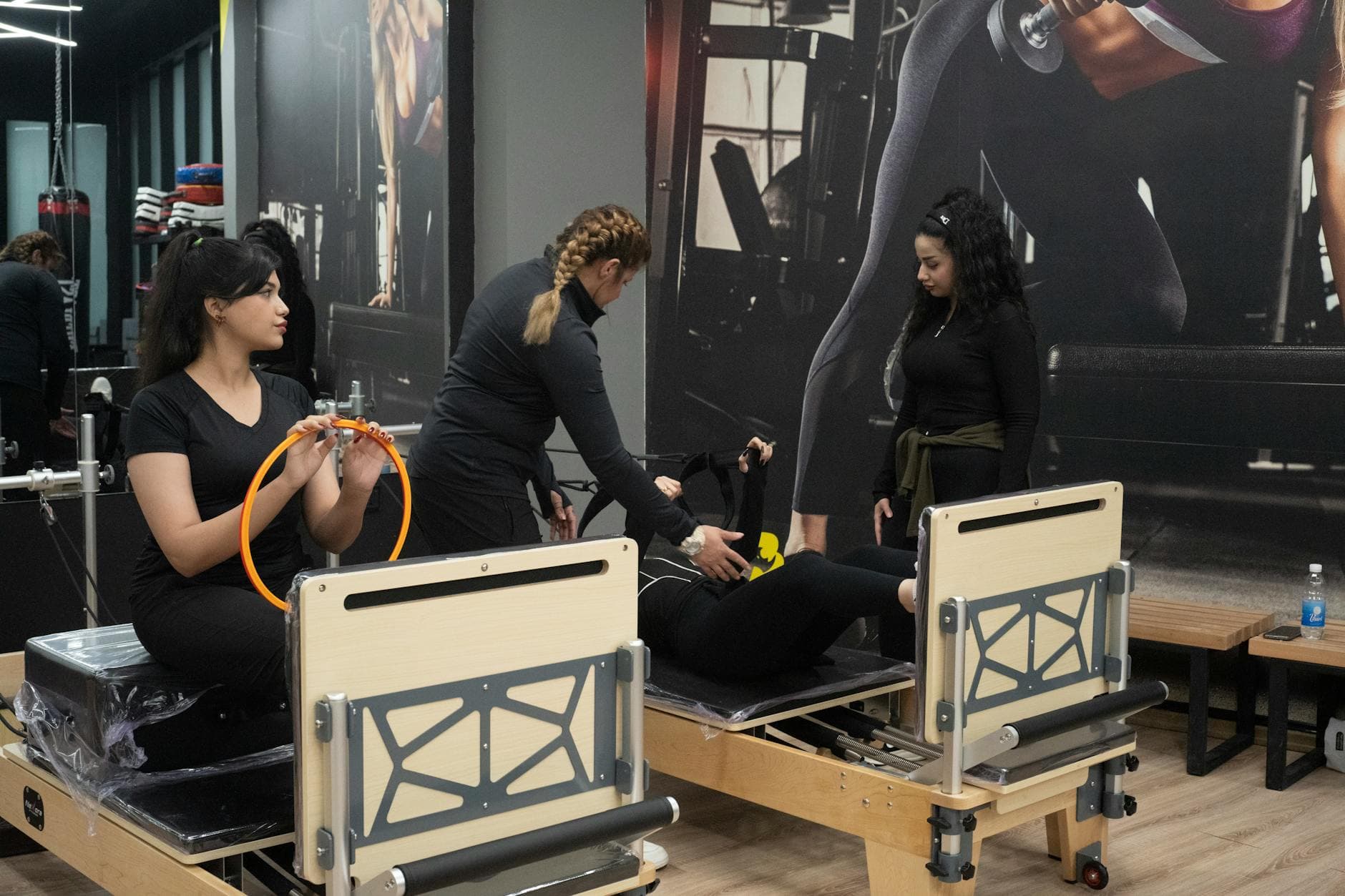
What if I told you that you could transform your posture, build incredible core strength, and significantly improve your balance – all without ever touching a mat or needing any special equipment? Sounds a bit wild, right? But it's absolutely possible, and it's all thanks to the often-overlooked power of **standing pilates**.
For years, pilates has been synonymous with reformers, mats, and that controlled, almost balletic movement. And while those are fantastic, there's a whole dimension to this practice that many people completely miss. Standing pilates shifts the focus from the floor to your feet, engaging your body in ways that directly translate to everyday life. Think about it: most of your day is spent on your feet. Why wouldn't you train your body for that? This approach isn't just a novelty; it’s a practical, accessible way to integrate the core principles of pilates into your daily routine, offering profound benefits for your physical well-being.
The Unexpected Power of Standing Pilates
You might be picturing simple stretches or basic exercises. But standing pilates is far more nuanced. It’s about challenging your stability, waking up those deep stabilizing muscles, and creating a more integrated, functional body. When you’re standing, your body has to work harder to maintain alignment and control. This constant, subtle effort builds resilience and strength that you’ll feel in everything from walking to carrying groceries. I've seen clients who struggled with lower back pain find immense relief simply by incorporating more standing work into their pilates regimen. It’s not just about looking good; it’s about feeling fundamentally stronger and more capable in your own skin.
Why Standing Pilates Works Wonders
The fundamental difference lies in gravity and balance. When you’re on the floor, gravity is less of a challenge for your core. Standing up, however, your body must actively recruit muscles to keep you upright and stable. This is where the magic of standing pilates truly shines. It forces a deeper engagement of your deep abdominal muscles, pelvic floor, and back muscles – the very foundation of a strong core.
Beyond the Mat: Practical Applications
This isn't just about achieving a perfect pose. The strength and balance gained from standing pilates directly impact your daily life. Think about how much better you’ll feel walking down a slightly uneven path, or how much more stable you’ll be when reaching for something on a high shelf. It’s about creating a body that’s prepared for the real world, not just the studio. This translates to better posture when you're at your desk, less fatigue during long periods of standing, and a reduced risk of falls, especially as we age.
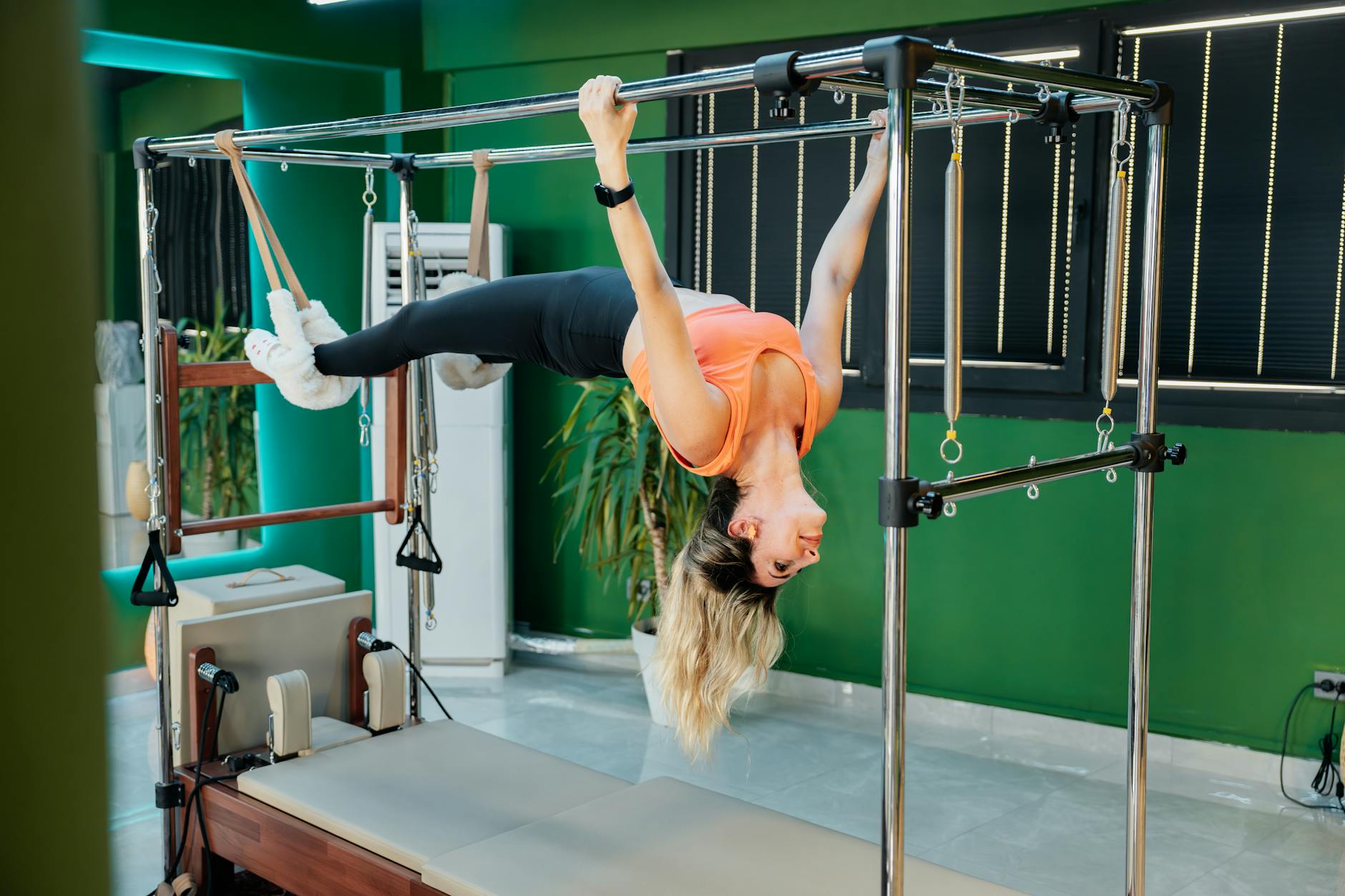
Mastering the Fundamentals: Core Engagement in Motion
The heart of pilates, regardless of position, is core engagement. In standing pilates, this principle becomes even more vital. You’re not just engaging your abs; you’re using them to anchor your entire body. This means finding that subtle lift and scoop of your abdominal muscles, drawing your navel towards your spine, and creating a strong, stable core that supports every movement. It’s a constant, mindful connection that builds incredible control.
Finding Your Neutral Spine Standing
This is arguably the most important step. Standing, it's easy to let your pelvis tilt too far forward or backward, arching your lower back or tucking your tailbone. The goal is to find that neutral position – a slight, natural curve in your lower back, with your pelvis level. Imagine a bowl of water balanced on your hip bones; you don’t want it to spill forward or backward. This neutral spine is your stable base for all standing pilates moves. It’s about subtle adjustments, not forcing anything.
The Breath-Movement Connection
Just like mat pilates, breath is paramount. In standing exercises, your breath helps to deepen your core engagement and control your movements. As you exhale, you’ll typically draw your core in and up, supporting your spine. This synchronized breathing pattern not only enhances the effectiveness of the exercises but also promotes relaxation and focus. It’s a beautiful synergy that makes the practice feel both challenging and incredibly centering. This is one area where I see many people rushing; slowing down and focusing on the breath makes all the difference.
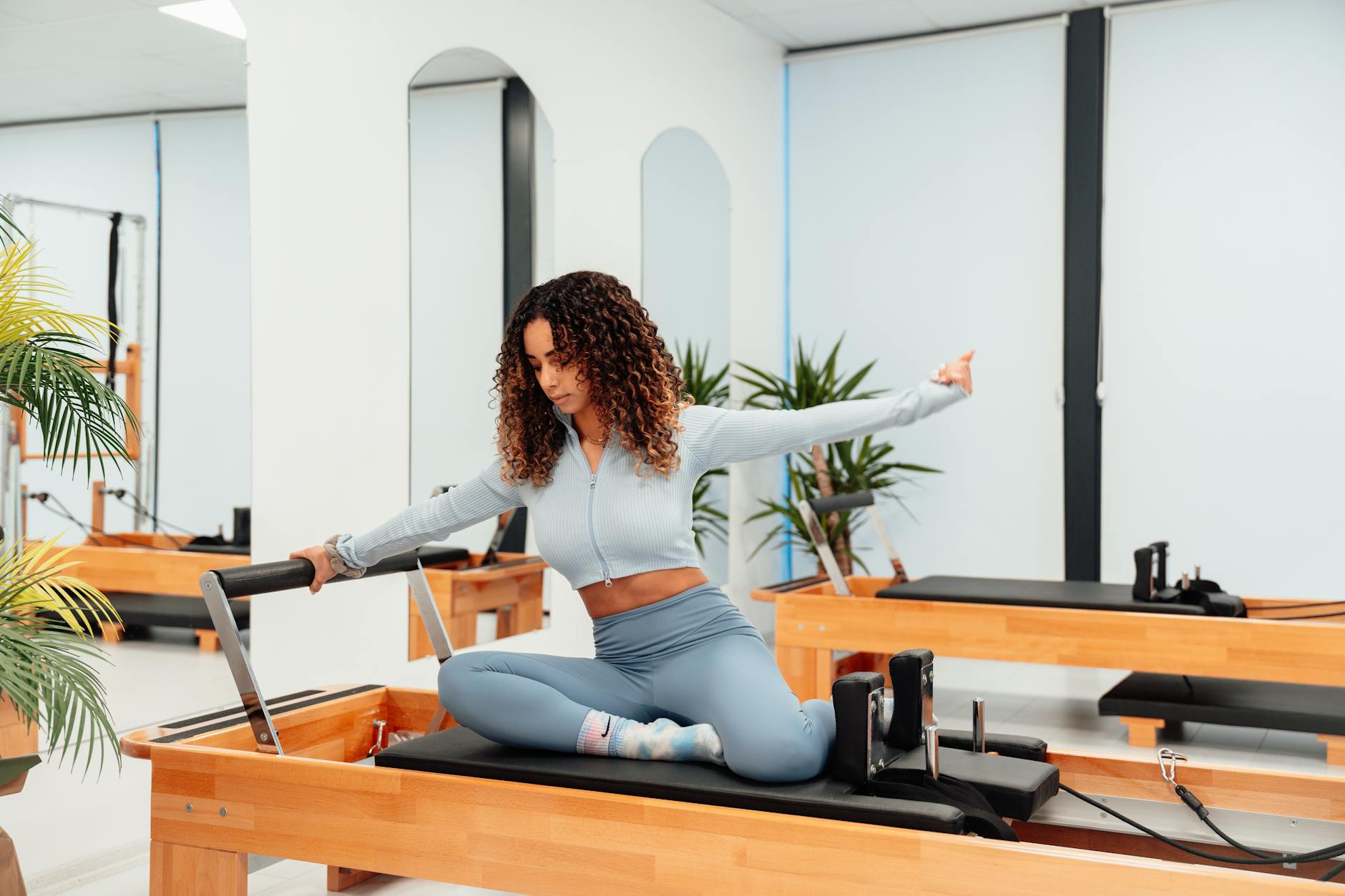
Key Standing Pilates Moves for a Full Body Workout
Now, let’s get to the good stuff: the exercises themselves. These aren't just random movements; they’re designed to work your entire body, from your toes to your fingertips, with a particular emphasis on your core and balance. You can do these almost anywhere, making them incredibly versatile. Many of these require no equipment at all, which is a huge win for accessibility.
The Standing Roll Down: A Spinal Awakening
This is a foundational move that’s deceptively simple. Start standing tall, feet hip-width apart. Inhale, then as you exhale, begin to nod your chin to your chest and slowly roll your spine down, one vertebra at a time, allowing your head and arms to hang heavy. Keep a slight bend in your knees. The goal is to feel a gentle stretch through your back. As you inhale at the bottom, begin to stack your spine back up, returning to standing. This move is fantastic for releasing tension in the upper back and improving spinal articulation. It’s a great way to start any standing pilates session.
Leg Circles: Sculpting and Stabilizing
Stand tall, perhaps with one hand on a wall or chair for balance if needed. Shift your weight onto one leg. Keeping your standing leg slightly soft, lift the other leg a few inches off the ground. Keeping your core engaged and hips stable (this is key!), begin to draw small, controlled circles with your lifted leg. Start with about 5-10 circles in one direction, then reverse. Focus on keeping the movement originating from your hip, not just your foot. This exercise targets the hip flexors, glutes, and outer thighs while demanding significant core stability. You’ll feel this one!
The Standing Side Bend: Oblique Powerhouse
Stand with your feet hip-width apart, knees slightly bent. Extend one arm straight up towards the ceiling. As you exhale, reach that arm over your head, bending your torso to the side. Keep your hips stable and avoid leaning forward or backward. Imagine you are sliding down a wall. Feel the stretch along your side body. Inhale as you return to the upright position. Repeat on the other side. This is a brilliant way to work your obliques and improve lateral flexibility. It’s a move that truly opens up the rib cage.
Heel Lifts and Balances: Ankle and Calf Strength
Begin standing with your feet hip-width apart. Engage your core and slowly lift your heels off the floor, coming up onto the balls of your feet. Hold for a moment, feeling the engagement in your calves and the challenge to your balance. Slowly lower your heels back down. For an added challenge, try performing this on one leg at a time, holding onto a stable surface for support. This exercise is excellent for strengthening your ankles and calves, which are crucial for stability and power in everyday movements. It’s also a fantastic way to build confidence in your balance.
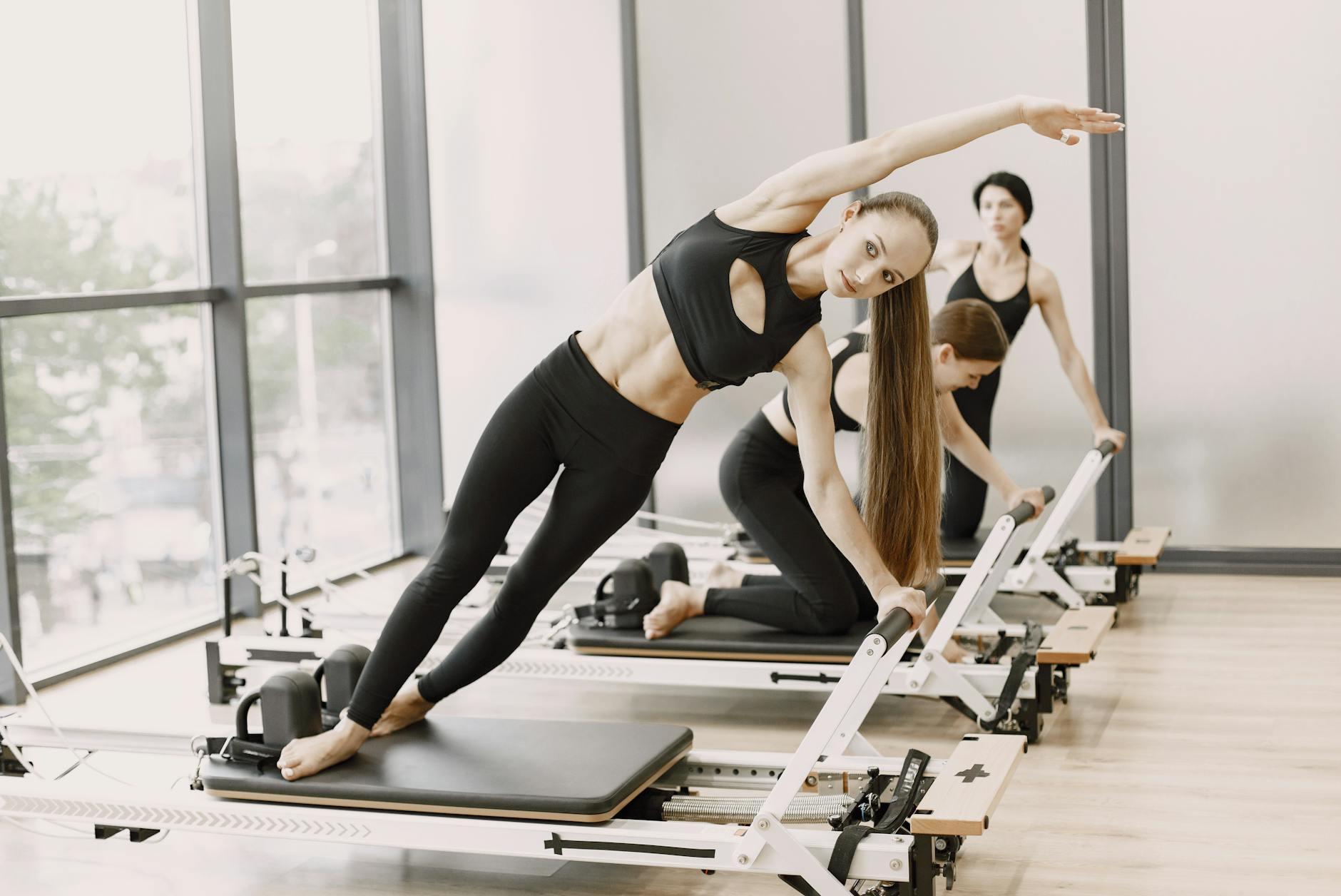
Improving Posture and Balance with Standing Pilates
One of the most profound benefits of **standing pilates** is its direct impact on posture and balance. Our modern lifestyles, filled with sitting and screen time, often lead to rounded shoulders, a forward head posture, and a weakened core. Standing pilates actively counteracts these tendencies. By strengthening the muscles that support an upright spine and challenging your body’s ability to maintain equilibrium, you’ll notice a significant improvement in how you stand and move. This is more than just aesthetics; better posture reduces strain on your back and neck, leading to less pain and more energy.
The Core-Posture Connection
Think of your core as the conductor of your body's orchestra. When the core is weak, the rest of the body compensates, leading to poor posture. Standing pilates forces your core to work overtime to keep you aligned. This constant activation strengthens those deep stabilizing muscles, creating a natural scaffolding that supports your spine. You’ll find yourself standing taller and feeling more aligned without even consciously thinking about it. It’s a subtle but powerful shift.
Challenging Your Stability
Balance isn't just about not falling over. It's about proprioception – your body's awareness of its position in space. Standing pilates exercises constantly challenge your balance, forcing your smaller stabilizing muscles, particularly in your ankles, knees, and hips, to work harder. This builds resilience and confidence. For instance, exercises like single-leg balances or controlled leg swings require intricate muscle recruitment to keep you upright. This improved stability is invaluable for preventing falls and moving with grace and efficiency throughout your day. The Mayo Clinic research on standing pilates highlights its efficacy in improving balance in older adults.
Standing Pilates for Beginners: Where to Start
If you’re new to pilates or looking for a more accessible entry point, standing pilates is an excellent choice. You don't need to be a seasoned yogi or a contortionist to benefit. The key is to start slowly, focus on proper form, and listen to your body. It’s about building a foundation of strength and awareness. Forget the idea that you need to be flexible or strong to start; that's precisely what these exercises are designed to help you achieve.
Focus on Form Over Speed
This is crucial for any beginner. It’s far better to perform five repetitions with perfect form than twenty with sloppy technique. Pay close attention to your alignment, your core engagement, and your breath. If you’re unsure, it’s always a good idea to watch instructional videos or, ideally, work with a qualified pilates instructor, even for a few sessions, to get personalized feedback on your form. This foundational understanding will prevent injury and maximize your results.
Gradual Progression is Key
Don’t try to do too much too soon. Start with a few basic exercises, focusing on mastering the movement. As you become more comfortable and your strength and balance improve, you can gradually increase the number of repetitions, add more challenging variations, or hold poses for longer. For example, if a single-leg balance is too difficult initially, start by holding onto a wall or chair for support. The National Institutes of Health research on standing pilates emphasizes the importance of gradual progression for long-term adherence and success.
Integrating into Your Day
Here’s the beauty of standing pilates: you don’t need a dedicated hour-long session every time. You can sprinkle these exercises throughout your day. Do a few heel lifts while waiting for the kettle to boil. Practice a standing roll down while taking a break from work. Perform some leg circles while on a phone call (if you can manage it!). These small, consistent efforts add up significantly over time. It’s about making movement a natural part of your life, not a chore. This approach aligns perfectly with the goals of a spring workout refresh, bringing more movement into your daily routine.
The Unexpected Benefits: Beyond the Physical
While the physical transformations are undeniable, the benefits of standing pilates extend far beyond the muscular. The heightened body awareness, the focus required, and the mindful movement contribute to improved mental clarity and stress reduction. It’s a form of moving meditation that can leave you feeling not only stronger but also calmer and more centered. This is something I’ve experienced firsthand and have seen resonate deeply with my clients. It's a holistic approach to well-being.
Enhanced Body Awareness
As you engage in standing pilates, you become acutely aware of your body’s alignment, its subtle shifts in weight, and the engagement of specific muscle groups. This increased proprioception can spill over into other areas of your life, making you more mindful of your posture while sitting, walking, or even sleeping. It’s like developing a deeper, more intimate relationship with your physical self. You start to understand what your body needs and how it functions at a deeper level.
Stress Reduction and Mental Focus
The concentration required to maintain balance and control during standing pilates exercises naturally pulls your focus away from daily stressors. The rhythmic nature of the movements, combined with mindful breathing, can create a meditative state. This mental engagement, coupled with the physical exertion, is a powerful combination for stress relief. It’s a way to clear your head and reconnect with yourself. The Centers for Disease Control and Prevention research on standing pilates often points to its benefits for overall mental well-being and fall prevention, which indirectly reduces stress.
Standing pilates offers a powerful, accessible, and profoundly effective way to build strength, improve balance, and enhance your overall physical well-being. It proves that you don't need fancy equipment or a dedicated studio space to experience the transformative benefits of pilates. By bringing this practice to your feet, you unlock a new level of functional fitness that will serve you every single day. So, the next time you're looking for a way to move your body, consider standing up and giving standing pilates a try. You might just surprise yourself with what you can achieve.