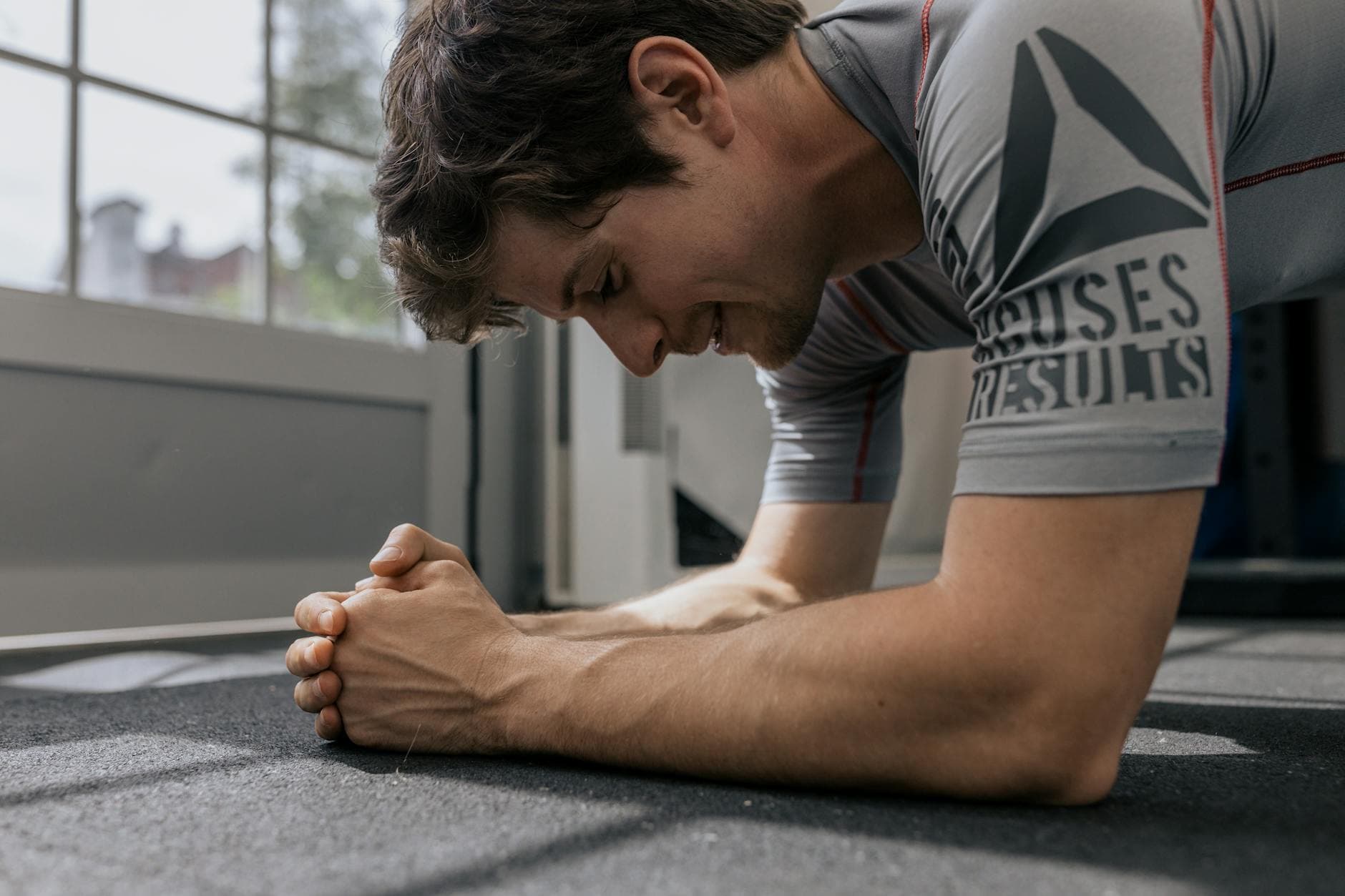
The air in the gym was thick with the scent of sweat and determination. I remember watching a guy on the mat, his body a taut spring, executing a movement I couldn't even name. It looked less like exercise and more like controlled combat. He was performing some of the most advanced core exercises I’d ever seen, and it hit me: my own midsection training had stagnated. It was time to push past the plank variations and crunches that had become my comfortable routine. Building a truly robust core, the kind that supports every athletic movement and prevents everyday aches, demands more. It requires a deeper dive into what the core actually *is* and how to challenge it beyond its perceived limits.
Beyond the Basics: Why Your Core Needs More
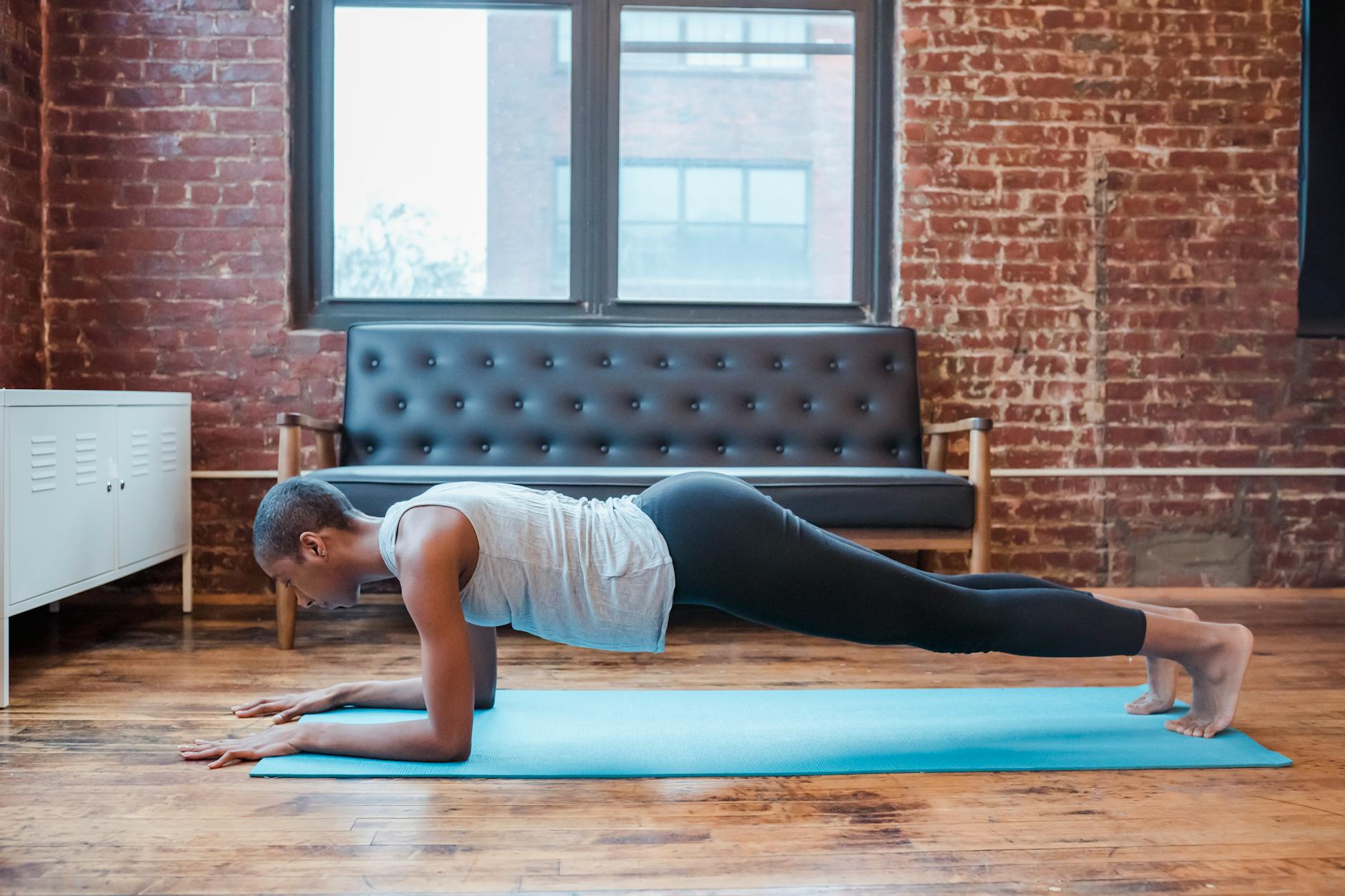
You've probably mastered the standard plank. Maybe you can hold a side plank for a couple of minutes. You might even be doing some basic leg raises. That’s a solid foundation, no doubt. But here’s the thing: the human body is a complex, interconnected machine. Your core isn't just your "abs." It's a whole system of muscles – the deep transversus abdominis, the obliques, the erector spinae, the pelvic floor, even the diaphragm. When we talk about advanced core exercises, we're talking about engaging this entire network in ways that build not just aesthetic definition, but true functional strength. This kind of midsection strength training is crucial for injury prevention and peak performance in any physical activity.
The Limits of Static Holds
Static holds like planks are fantastic for building endurance and teaching your body to stabilize. They lay the groundwork. But without introducing dynamic movements, you’re leaving significant potential on the table. Imagine a carpenter who only knows how to hold a hammer steady but can’t swing it. They’re missing a huge part of the skill set. Your core needs to be able to resist movement, yes, but it also needs to *generate* and *control* movement.
The Core as a Powerhouse
Think about throwing a ball, swinging a golf club, or even just lifting a heavy grocery bag. The power for these actions doesn't originate solely from your arms or legs. It starts from the ground, travels up through your hips, and is transferred and amplified by your core. A stronger core workout means a more efficient transfer of force, leading to greater power and speed in your movements. This is the essence of athletic core development.
Injury Prevention: The Unsung Hero
This is where I'll be real with you. I used to think that if I just worked my abs hard, I was invincible. Then came a few nagging back twinges that stopped me in my tracks. It was a wake-up call. A weak or imbalanced core can put undue stress on your spine, leading to everything from lower back pain to shoulder issues. Progressive core training, incorporating advanced movements, strengthens the muscles that protect your vertebral column, acting like a natural brace. You can find extensive Mayo Clinic research on advanced core exercises that highlights this protective aspect.

Progressive Core Training: Moving Beyond the Familiar
So, how do we actually *progress*? It’s not just about adding more reps or holding something for longer. It’s about introducing complexity, instability, and new planes of motion. This is where the real fun, and the real gains, begin.
Introducing Instability
Your everyday core exercises likely happen on a stable surface. Now, imagine doing them on something that moves. This forces your stabilizing muscles to work overtime. Think about exercises where you’re on your hands and feet, but the hands are on a stability ball, or your feet are elevated on a BOSU ball. This challenges your core to constantly adjust and maintain alignment.
Embracing Rotational Strength
Many everyday movements involve rotation – turning to look at something, reaching for an object. Most traditional ab exercises focus on flexion (like crunches). But you need to train your core to resist rotation (anti-rotation) and to generate controlled rotation. This is vital for almost every sport and for preventing injuries that can occur from sudden, uncontrolled twists.
The Anti-Extension Challenge
This is a critical component often overlooked. Anti-extension exercises train your core to prevent your lower back from arching excessively during movements. Think about holding a weight overhead, or doing a push-up. Your core’s job is to keep your spine neutral. Exercises that specifically challenge this ability build incredible stability.
Advanced Core Exercises to Elevate Your Game
Let's get to the good stuff. These aren't your beginner routines. These are movements that will demand focus, control, and a willingness to push your limits.
The Dragon Flag (and its Variations)
This is an absolute beast of an exercise made famous by Bruce Lee. You lie on your back, grip a sturdy object behind your head (like a weight rack or a sturdy bench), and lift your entire body off the ground, keeping it in a straight line from shoulders to heels. Your core has to work incredibly hard to prevent your hips from dropping.
Mastering the Basic Dragon Flag
Start by practicing the negative portion: get your body into the straight-line position and then slowly lower yourself down. This builds the eccentric strength needed. Once you can control the descent, you’re ready to try lifting.
Progression: Single-Leg Dragon Flags
Once you can nail the full dragon flag with control, try lifting one leg at a time. This significantly increases the lever arm and the demand on your core.
Progression: Weighted Dragon Flags
For the truly advanced, holding a dumbbell or weight plate between your feet adds another layer of challenge.
Hollow Body Holds and Rocks
This exercise is foundational for many gymnastic movements and is a powerful way to build total core tension. Lie on your back, press your lower back into the floor, and lift your arms and legs slightly off the ground, creating a slight crescent moon shape with your body. Your core must engage to keep your lower back from arching.
The Static Hold
Focus on maintaining that hollow position with perfect form. Breathe deeply and try to increase the duration of your hold.
Dynamic Rocks
Once you can hold this position comfortably, start to gently rock your body forward and backward, maintaining the hollow shape. This introduces a dynamic element.
Variations: Hollow Body Slides
With your legs slightly elevated, slide one leg out straight and then bring it back, all while maintaining the hollow body position. This adds an element of controlled movement.
Pallof Press (and its Variations)
This is a prime example of an anti-rotation exercise. You’ll need a cable machine or a resistance band. Stand perpendicular to the anchor point, holding the handle or band with both hands at chest height. Step away to create tension. Your core’s job is to prevent your torso from rotating towards the anchor.
Standing Pallof Press
This is the standard. Focus on keeping your body rigid and resisting the pull.
Half-Kneeling Pallof Press
Kneeling on one knee adds an element of hip stability and slightly changes the angle of resistance, making it a great progression.
Pallof Press with Rotation
This one surprised me. Instead of just resisting, you actively rotate your torso *away* from the anchor point, then slowly control the return. It trains both rotational control and anti-rotation.
Hanging Leg Raises (and advanced variations)
While seemingly straightforward, hanging leg raises become incredibly challenging when done with full control and range of motion. The key is to avoid swinging and to engage your lower abs and hip flexors to lift your legs.
Toes to Bar
This is the classic progression. Aim to bring your toes all the way up to touch the bar. It requires significant hip flexor and core strength.
Windshield Wipers
While hanging, keep your legs relatively straight and swing them from side to side, as if cleaning a car windshield. This works the obliques intensely.
Dragon Flags on a Bar
Yes, you can do a version of the dragon flag while hanging from a pull-up bar, lifting your entire body up. It’s incredibly demanding.
Renegade Rows
This exercise combines a plank with a dumbbell row, hitting multiple muscle groups simultaneously and demanding significant core stability. Get into a high plank position with a dumbbell in each hand. Keeping your hips as still as possible, row one dumbbell up towards your chest, then lower it. Alternate sides.
The Core Challenge
The primary goal here is to minimize hip rotation. If your hips are swaying excessively, you're not engaging your core effectively.
Adding a Push-Up
For an even greater challenge, perform a push-up between each row. This adds a significant load and demands even more control.
The Unexpected Angle: Core and Your Breath
Here’s something most people don’t think about when it comes to advanced core exercises: your breath. Your diaphragm, the large muscle beneath your lungs, is a crucial part of your core’s support system. Proper diaphragmatic breathing, often called belly breathing, helps to create intra-abdominal pressure, which stabilizes your spine.
Diaphragmatic Breathing Practice
Before even attempting a complex movement, practice breathing deeply into your belly. Lie on your back, place a hand on your stomach, and inhale, allowing your stomach to rise. Exhale, and feel your stomach fall. This simple practice can dramatically improve your core’s ability to brace.
Breathing During Exercises
During advanced core exercises, pay attention to your breath. Often, an exhale during the exertion phase (the hardest part of the movement) can help you brace more effectively. Think about exhaling as you lift in a hollow body rock or perform a Renegade Row.

When to Introduce Advanced Core Work
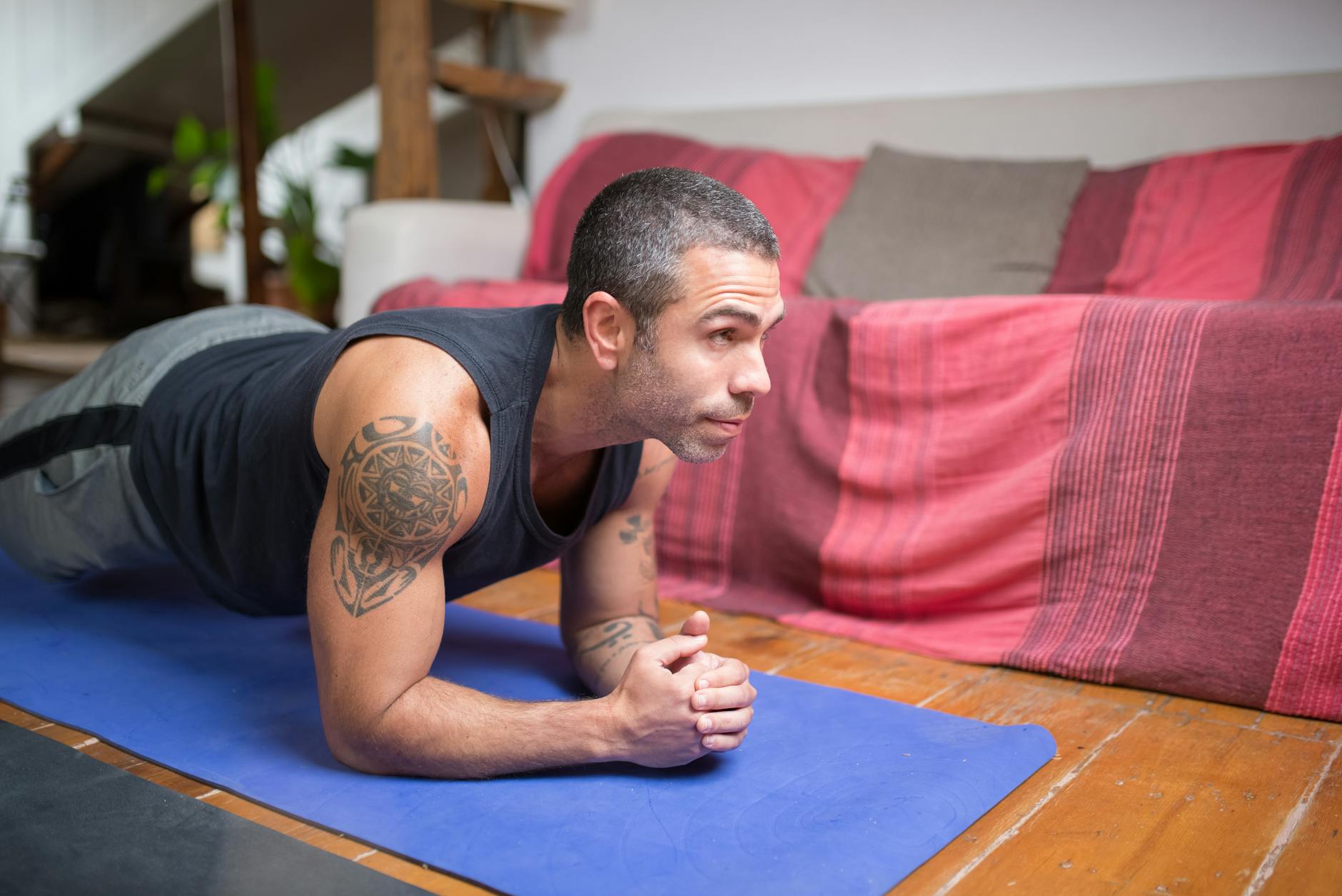
You might be wondering, “When is the right time for me to start doing these kinds of advanced core exercises?” It’s not about hitting a certain weight or a specific number of reps on basic exercises. It’s about having a solid foundation of body awareness and control. If you can perform a stable plank for 60 seconds with good form, and you understand how to brace your core, you’re likely ready to start experimenting with some of these more challenging movements.
Listen to Your Body
This is paramount. Advanced core work can be taxing. If you feel sharp pain, stop. It’s better to dial it back and focus on perfect form than to push through and risk injury. Remember, the goal is a stronger, healthier core, not just to impress someone with a difficult move.
Progress Gradually
Don't try to do every advanced exercise in one workout. Pick one or two to incorporate into your routine and focus on mastering them. As you get stronger and more comfortable, you can gradually add more variety. Think about the quick at home workouts you might do – these advanced core moves can be easily slotted into those routines.
Seek Guidance if Needed
If you’re unsure about form or how to progress, don’t hesitate to work with a qualified trainer. They can assess your current level and guide you through the proper execution of these advanced core exercises. The journey to a truly powerful core is a marathon, not a sprint. Building this kind of strength takes time, consistency, and a smart approach to training. Embrace the challenge, stay dedicated, and you’ll unlock a level of physical capability you never thought possible.