
There’s a pervasive myth out there, one that suggests "natural" skincare is somehow less effective, a quaint, crunchy alternative to the serious science of conventional beauty products. I used to believe it, honestly. For years, I chased after the latest chemical breakthroughs, the most aggressive acids, thinking that only something laboratory-engineered could truly transform my skin. I figured natural options were just for people who didn't care about real results, or who were content with a faint glow instead of genuine change.
But here's the thing: that couldn't be further from the truth. After decades in the wellness space, witnessing countless transformations and undergoing my own journey of discovery, I've come to understand that the very best natural skin care isn't just a trend; it's a powerful, intelligent approach to skin health that often outperforms its synthetic counterparts. It’s about working with your body, not against it, and harnessing the incredible wisdom of nature.
The Truth About "Natural": Beyond the Buzzwords
The beauty industry, bless its heart, loves a good buzzword. "Natural," "organic," "clean"—they get thrown around so much they can start to lose all meaning. This can make it incredibly confusing for you, the consumer, trying to make informed choices.
What "Clean Beauty" Really Means to Me
For me, "clean beauty" isn't just about a pretty label; it’s a philosophy. It means products formulated without a long list of questionable ingredients—things like parabens, phthalates, synthetic fragrances, and harsh sulfates that have been linked to everything from endocrine disruption to skin irritation. It’s about transparency, about knowing what you're putting on your largest organ. My journey into truly understanding this started years ago when I developed persistent, unexplained rashes, and realized my expensive, chemical-laden routine was likely the culprit. The shift was eye-opening.
The Hidden Dangers of Conventional Products
You might be wondering, what's the big deal? If it's on the shelf, it must be safe, right? Not necessarily. Many conventional products contain ingredients that, while approved for use, can accumulate in your body over time, potentially impacting your health. Think about the cumulative effect of applying dozens of different chemicals to your skin every single day, year after year. Research, like that highlighted by the National Institutes of Health, continues to explore the long-term effects of many common cosmetic ingredients. It's a wake-up call to be more mindful.
Why Your Skin Craves Simplicity
Our skin is an incredibly complex, intelligent organ. It thrives on balance, on nourishment it recognizes. When we bombard it with harsh detergents, artificial colors, and synthetic perfumes, we disrupt its delicate microbiome and barrier function. Natural ingredients, on the other hand, often contain a wealth of vitamins, antioxidants, and fatty acids in forms that our skin can readily absorb and utilize. It’s like feeding your body whole foods versus processed snacks; one provides sustained vitality, the other offers fleeting satisfaction with a potential crash later.
Crafting Your Natural Skincare Routine: A Holistic Approach
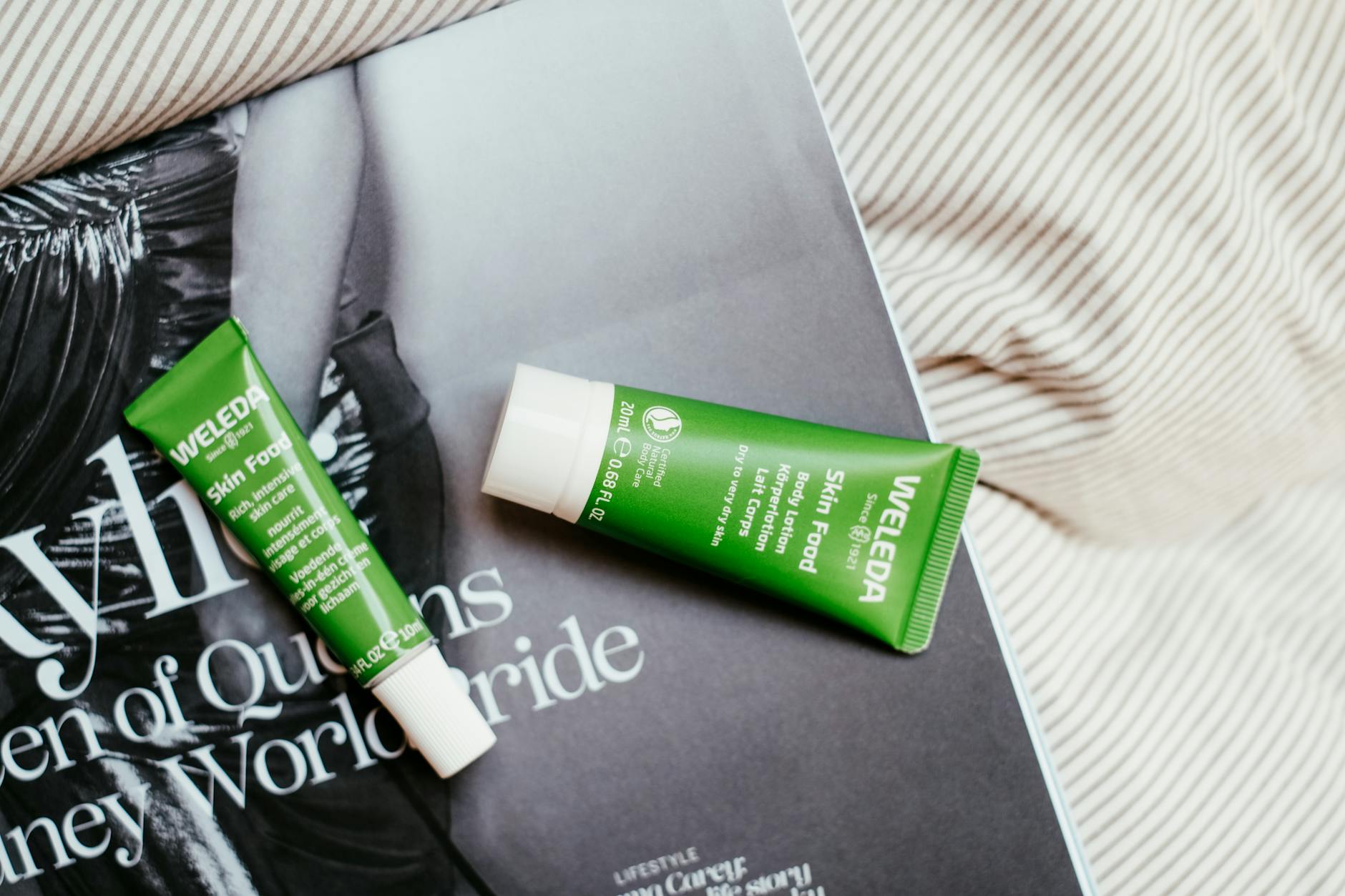
Building an effective natural skincare routine doesn't have to be complicated or expensive. It's about consistency, listening to your skin, and choosing high-quality, non toxic skin care products that support its natural functions. This is where the magic truly happens.
The Fundamental Steps: Cleanse, Tone, Nourish
Every good routine starts with these pillars. First, cleanse gently. Forget the squeaky-clean feeling; that's often a sign your skin's natural oils have been stripped. Look for mild, soap-free cleansers with ingredients like aloe vera or chamomile. Next, a toner can help balance pH and prepare your skin for subsequent steps. Witch hazel (alcohol-free!) or rose water are excellent natural choices. Finally, nourish. This is where serums, oils, and moisturizers come in, packed with potent botanicals to hydrate, protect, and repair.
Powerhouse Natural Ingredients You Need to Know
There are so many incredible ingredients nature offers. Here are a few I swear by:
- Rosehip Oil: Rich in Vitamin A and essential fatty acids, it's fantastic for scarring, hyperpigmentation, and natural anti aging remedies.
- Hyaluronic Acid (Plant-Derived): A humectant that draws moisture into the skin, plumping it up and reducing the appearance of fine lines.
- Vitamin C (from sources like Kakadu Plum or Acerola Cherry): A powerful antioxidant that brightens, evens skin tone, and boosts collagen production.
- Green Tea Extract: Calming, anti-inflammatory, and loaded with antioxidants to protect against environmental damage.
DIY Face Masks and Homemade Beauty Recipes for a Boost
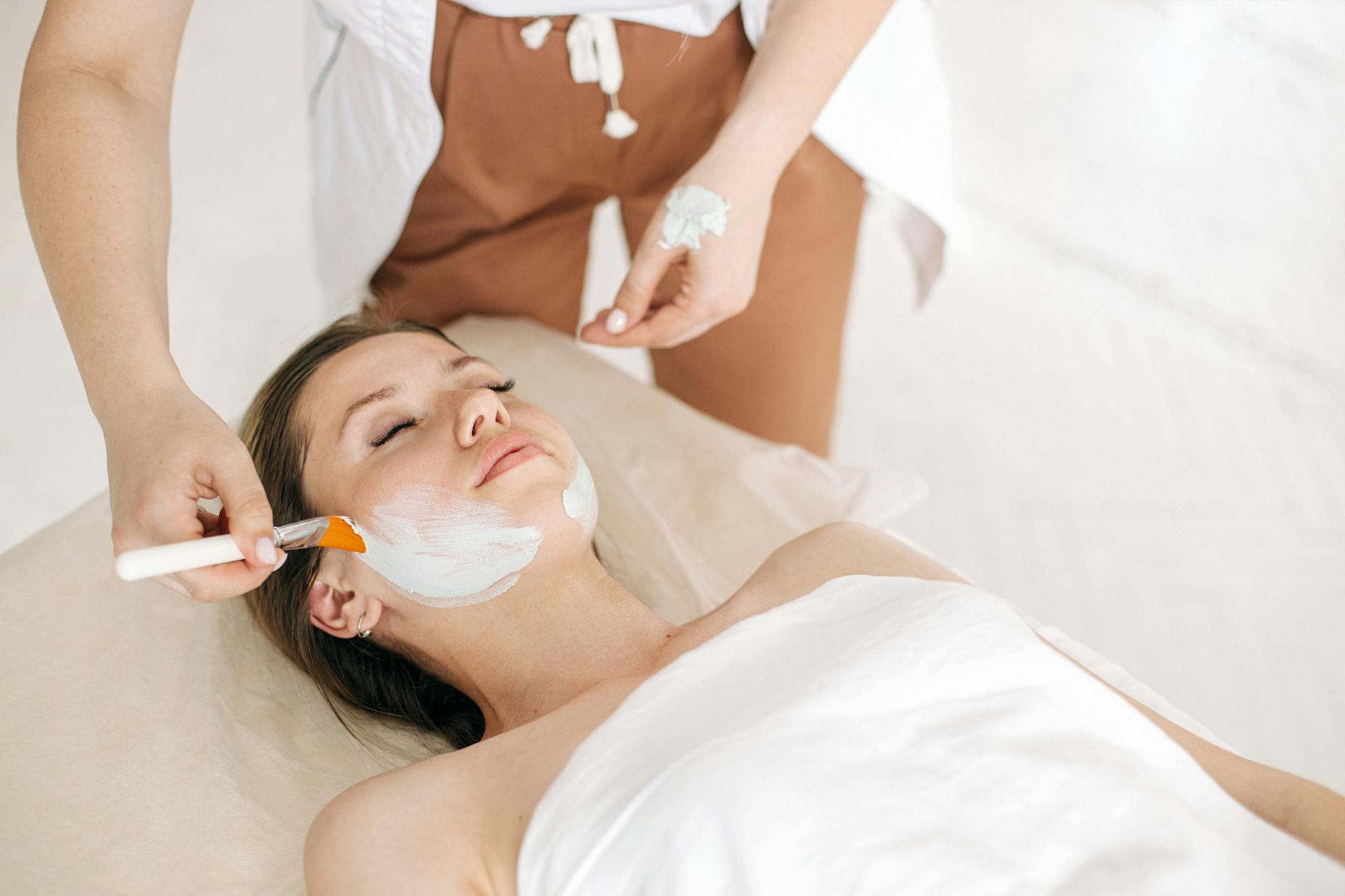
Sometimes, the best organic skin care comes straight from your kitchen. I'm a huge fan of simple, effective homemade beauty recipes. A few times a month, I'll whip up a quick mask. For instance, a blend of honey (antibacterial, moisturizing), finely ground oatmeal (exfoliating, soothing), and a touch of plain yogurt (lactic acid for gentle exfoliation) makes an amazing calming and brightening mask. For a more intense glow, try a turmeric and chickpea flour mask, though be careful as turmeric can stain! These diy face masks are pure, potent, and incredibly satisfying to make.
Beyond the Bottle: Lifestyle for Luminous Skin
You can use all the amazing clean beauty products in the world, but if your internal environment isn't balanced, your skin will still struggle. Holistic skin health truly begins from within.
The Gut-Skin Connection is Real
Honestly, this one surprised me when I first started exploring it. My breakouts and dullness weren't just about what I put on my face; they were deeply connected to what I put in my body. An imbalanced gut microbiome can lead to inflammation throughout the body, manifesting as acne, rosacea, or eczema. Eating a diet rich in whole foods, fermented foods, and prebiotics, and limiting processed sugars and inflammatory oils, can make a profound difference. It’s a foundational piece of the puzzle.
Stress, Sleep, and Your Skin's Story
Think about the last time you were incredibly stressed or pulled an all-nighter. What did your skin look like? Probably dull, prone to breakouts, or showing exaggerated fine lines. Cortisol, the stress hormone, can wreak havoc on your skin barrier and trigger inflammation. Quality sleep is when your skin does its most important repair work. If you're struggling with either, even the best natural skin care products will only do so much. Exploring practices like meditation or deep breathing for anxiety can significantly improve both your stress levels and, consequently, your complexion. I've seen it firsthand, and the Mayo Clinic also emphasizes the link between stress and skin conditions.
Movement and Hydration: The Unsung Heroes
Regular physical activity boosts circulation, bringing oxygen and nutrients to your skin cells and helping to flush out toxins. Even a brisk 30-minute walk several times a week can make a noticeable difference. Pair that with adequate hydration – drinking plenty of pure water throughout the day – and you’ve got two simple, yet incredibly powerful, tools for radiant skin. A morning workout often leaves me with a healthy, natural flush that no serum can replicate.

Navigating the Market: Finding the Best Organic Skin Care
The sheer volume of products available can be overwhelming. How do you cut through the noise and find genuinely effective, clean beauty products? It comes down to education and discernment.
Reading Labels Like a Pro: Ingredients to Avoid
This is where you become your own best advocate. Start by learning a few key ingredients to avoid in skincare. Parabens (methylparaben, propylparaben, etc.), phthalates, sodium lauryl sulfate (SLS), synthetic fragrances (often listed as "fragrance" or "parfum"), and certain dyes are big red flags for me. If a label has a list of ingredients you can't pronounce, or that looks like a chemistry experiment, it's probably best to put it back. Look for certifications too, like USDA Organic or Ecocert, for added assurance when seeking out the best organic skin care.
Brands I Trust (and Why): Non Toxic Skin Care Picks
I'll be real with you, finding brands that genuinely align with clean beauty principles takes effort. I’ve spent years experimenting. Brands like Tata Harper, Drunk Elephant (though they're more "clean-ical"), and Biossance consistently impress me with their commitment to high-quality, non toxic skin care ingredients and effective formulations. For more budget-friendly options, Acure and The Ordinary have some gems. It's about finding companies that prioritize health and efficacy over marketing fluff.
Addressing Specific Concerns: Sensitive Skin Natural Products & Anti-Aging
If you have sensitive skin, you know the struggle is real. Look for products specifically designed for sensitive skin natural products, often fragrance-free and packed with calming ingredients like calendula, oat, or chamomile. For natural anti aging remedies, focus on ingredients that boost collagen and provide antioxidant protection: bakuchiol (a natural retinol alternative), Vitamin C, rosehip oil, and powerful peptides are your friends. The key is gentle, consistent nourishment rather than aggressive treatments.

Essential Oils for Skin: Potent Allies, Used Wisely
Essential oils can be incredibly powerful for your skin, but they demand respect and knowledge. They are concentrated plant extracts and should never be used undiluted directly on the skin.
My Favorite Essential Oils for Different Skin Types
For oily or acne-prone skin, tea tree oil (diluted, always!) and frankincense can be wonderful. For dry or mature skin, frankincense again, along with lavender and geranium, can offer soothing and regenerating benefits. Rose oil, though pricey, is truly exceptional for all skin types, especially for its deeply hydrating and harmonizing properties. I often add a drop or two to my nighttime facial oil.
Dilution and Safety First
Always, always dilute essential oils in a carrier oil like jojoba, argan, or sweet almond oil before applying to your skin. A good rule of thumb is 1-2 drops of essential oil per teaspoon of carrier oil. Do a patch test on a small area of your skin first to check for any reaction. Also, be mindful of photosensitive oils like citrus oils, which can make your skin more susceptible to sun damage if applied before sun exposure. When used correctly, essential oils for skin can elevate your routine to a whole new level.
Embracing the best natural skin care isn't just about aesthetics; it's a profound act of self-care, a commitment to your long-term health and well-being. It's about recognizing that true beauty emanates from a place of balance, both inside and out. Don't be fooled by the flashy marketing or the fear-mongering; nature has provided us with everything we need for radiant, healthy skin. The journey might require a little more intention, a little more label-reading, but the reward—a vibrant, resilient complexion that truly reflects your inner glow—is absolutely worth it. Your skin deserves nothing less.