The Cardio Conundrum: Finding the Best Path to Weight Loss
Remember that feeling? The one where you're staring at the treadmill, and all you can think about is how long you have to endure this before you can *finally* get off? I used to feel that way every single time. Honestly, the thought of endless jogging on a treadmill felt like a punishment, and it didn't help that I wasn't seeing the results I wanted. This is a common experience, and it's why I'm here to help you figure out the **best cardio for weight loss**. It's not about suffering; it's about finding the right approach for *you*.

Decoding Cardio Workouts for Fat Loss: More Than Just Running
Understanding the Basics of Burning Calories
The fundamental principle of weight loss is straightforward: burn more calories than you consume. Cardio exercises are excellent for increasing the number of calories you burn. They elevate your heart rate, which, in turn, boosts your metabolic rate, allowing your body to burn more calories even after you've finished exercising. The magic of cardio lies in its ability to create a calorie deficit.
The Role of Heart Rate Zones
You may have heard of "fat-burning zones." Here's the thing: it's not quite that simple. While it's true that lower-intensity exercise primarily uses fat for fuel, the total number of calories burned is often lower. For efficient weight loss, you want to focus on overall calorie expenditure. Different heart rate zones will help you achieve this.
Exercise Intensity and Its Impact
The intensity of your cardio workout plays a crucial role in how many calories you burn. High-intensity cardio workouts, like interval training, can be incredibly effective for weight loss. They require you to push yourself during short bursts of activity, followed by periods of rest. This type of training not only burns a significant amount of calories during the workout but also creates an "afterburn effect," where your body continues to burn calories even after you've stopped exercising.
Effective Cardio Exercises: Exploring Your Options
High-Intensity Interval Training (HIIT): The Time-Saver
HIIT workouts involve short bursts of intense exercise followed by brief recovery periods. For example, you might sprint for 30 seconds, then walk for 60 seconds, and repeat this cycle for 20-30 minutes. This method is incredibly efficient, allowing you to burn a lot of calories in a short amount of time. It's also great for boosting your metabolism.
Steady-State Cardio: The Endurance Builder
Steady-state cardio involves maintaining a consistent pace for a longer duration. Activities like jogging, cycling, or swimming at a moderate intensity fall into this category. The benefit here is the ability to build endurance and improve your cardiovascular health. It's also a more accessible option for beginners or those who prefer a less intense workout.
The Power of Variety
Don't be afraid to mix things up. Combining different types of cardio can prevent boredom and challenge your body in new ways. Try alternating between HIIT sessions and steady-state workouts. Consider activities like dancing, hiking, or even brisk walking. The key is to find activities you enjoy so that you're more likely to stick with them.

Best Cardio Machines for Weight Loss: Navigating the Gym
The Treadmill: A Classic for a Reason
The treadmill remains a popular choice. It's versatile, allowing you to adjust speed, incline, and program different workouts. You can easily incorporate HIIT sessions or stick to a steady-state run. You can find research about the benefits of a treadmill from Mayo Clinic research on best cardio for weight loss.
The Elliptical: Low-Impact, High-Reward
The elliptical is a great option if you have joint issues. It provides a low-impact workout that still effectively elevates your heart rate and burns calories. It's also easy to adjust the resistance and incline to challenge yourself.
The Stationary Bike: Engaging Your Lower Body
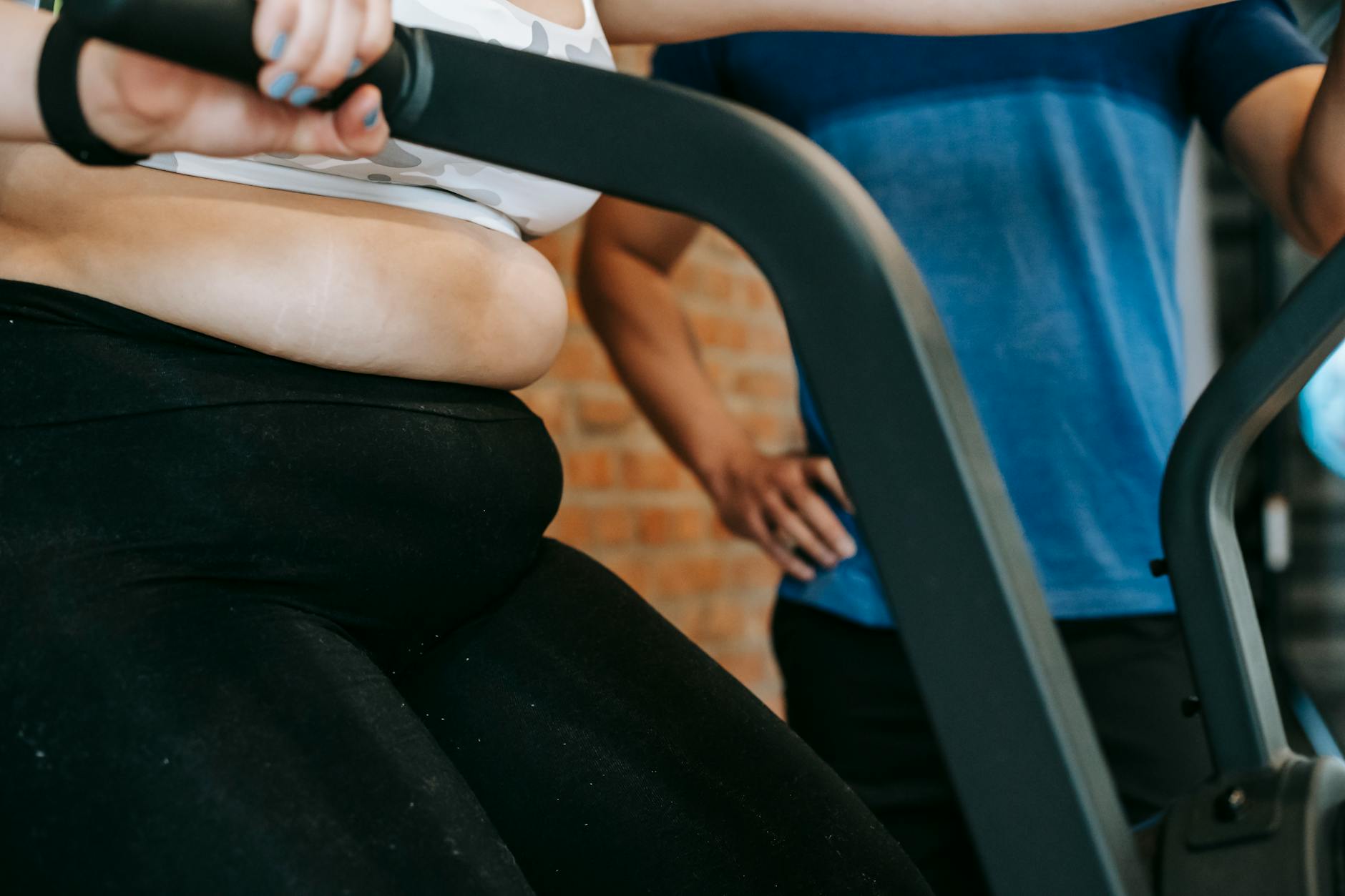
Stationary bikes are another excellent choice, especially for those who prefer a seated workout. They offer a good cardiovascular workout and can be adjusted to different resistance levels. Cycling is a great way to improve your cardiovascular health, and is one of the most effective exercises for burning calories.
Rowing Machine: A Full-Body Burn
The rowing machine is a fantastic full-body workout. It engages your arms, legs, and core, and it's surprisingly effective at burning calories. It's also a great way to improve your posture and core strength.
Cardio to Lose Belly Fat: Targeting Stubborn Areas
The Myth of Spot Reduction
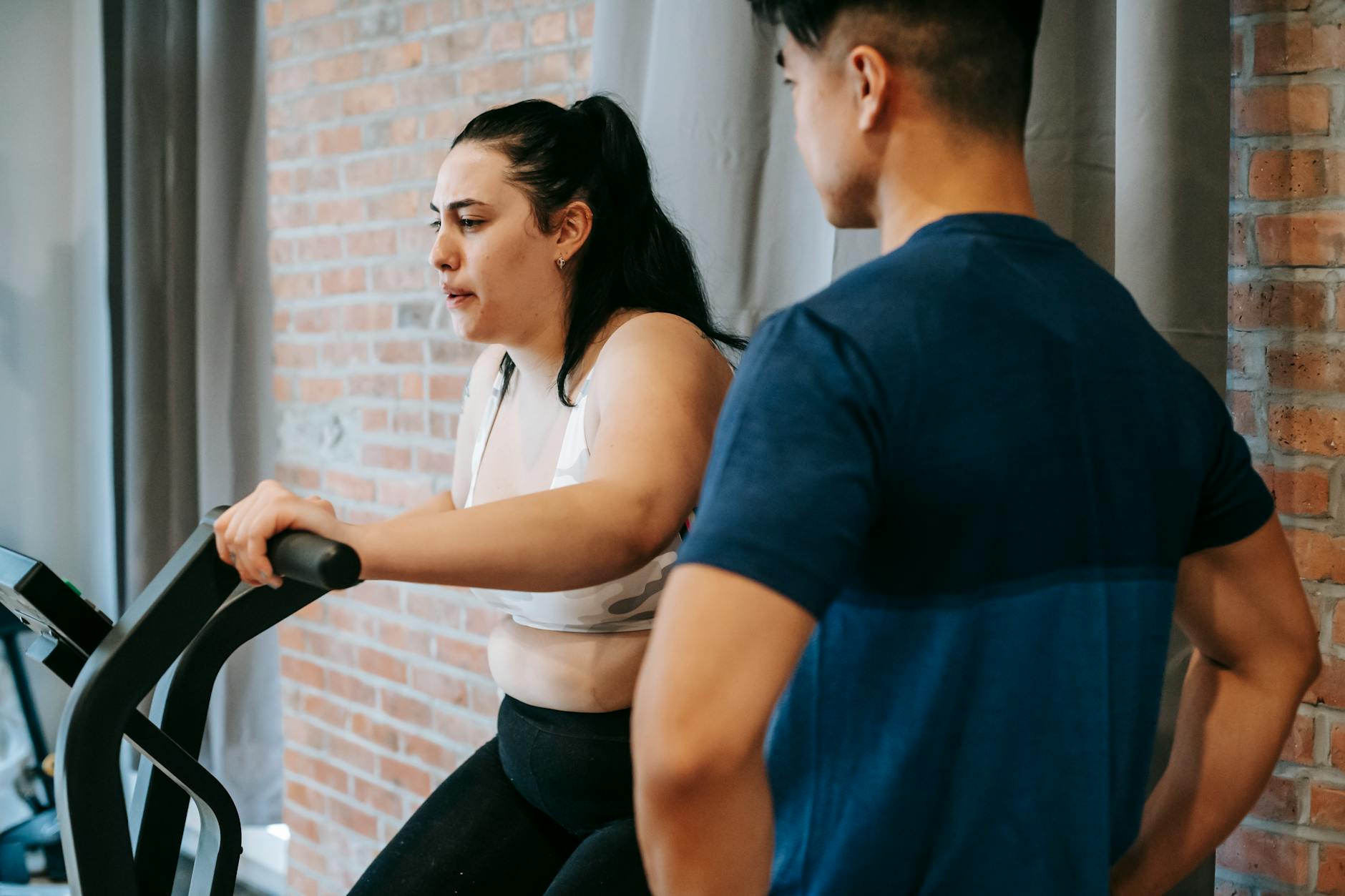
Here's the truth: you can't "spot reduce" fat. Doing hundreds of crunches won't magically melt away belly fat. However, when you lose overall body fat, you'll see a reduction in fat in all areas, including your belly.
Combining Cardio with Weight Training
The most effective approach to losing belly fat involves a combination of cardio and weight training. Building muscle through weight training increases your metabolic rate, which helps you burn more calories even when you're at rest. You can see how the Centers for Disease Control and Prevention supports this by studying Centers for Disease Control and Prevention research on best cardio for weight loss.
Diet and Consistency: The Unsung Heroes
Let's be real: diet is just as important as exercise. You can't outrun a bad diet. Eating a balanced diet with plenty of protein, fiber, and healthy fats is crucial for weight loss. Consistency is also key. Sticking to a regular workout routine and healthy eating habits will yield the best results.
My Personal Reflection: Finding What Works for You
Here's a little secret: I used to hate cardio. I'd drag myself to the gym, dreading the treadmill. Then, I discovered HIIT. It was a game-changer. I started seeing results faster, and honestly, the workouts were over before I knew it. But the biggest takeaway for me was realizing there's no one-size-fits-all approach. What works for one person might not work for another. The key is to experiment, find what you enjoy, and make it a sustainable part of your lifestyle. It's about finding the best cardio for weight loss that you can stick with long-term.
Putting It All Together: Your Personalized Plan
Assessing Your Current Fitness Level
Before you start any new exercise program, it's essential to assess your current fitness level. If you're new to exercise, start slowly and gradually increase the intensity and duration of your workouts. If you have any underlying health conditions, consult your doctor before starting a new exercise routine.
Creating a Realistic Schedule
Consistency is key. Aim for at least 150 minutes of moderate-intensity cardio or 75 minutes of vigorous-intensity cardio per week. Spread your workouts throughout the week to allow for rest and recovery.
Tracking Your Progress and Making Adjustments
Track your progress by monitoring your weight, measurements, and how you feel. Don't be afraid to adjust your plan as needed. If you're not seeing results, try changing the type of cardio you're doing, increasing the intensity, or adjusting your diet. Harvard Health research on best cardio for weight loss can help you create a personalized plan Harvard Health research on best cardio for weight loss.
The Final Word: Your Journey, Your Success
Choosing the **best cardio for weight loss** is about finding what resonates with you. It's about combining different types of exercise and making sure you are consistent. Remember, it's not about quick fixes or extreme measures. It's about building healthy habits that last a lifetime. So, find your rhythm, embrace the journey, and celebrate your progress along the way. You've got this.