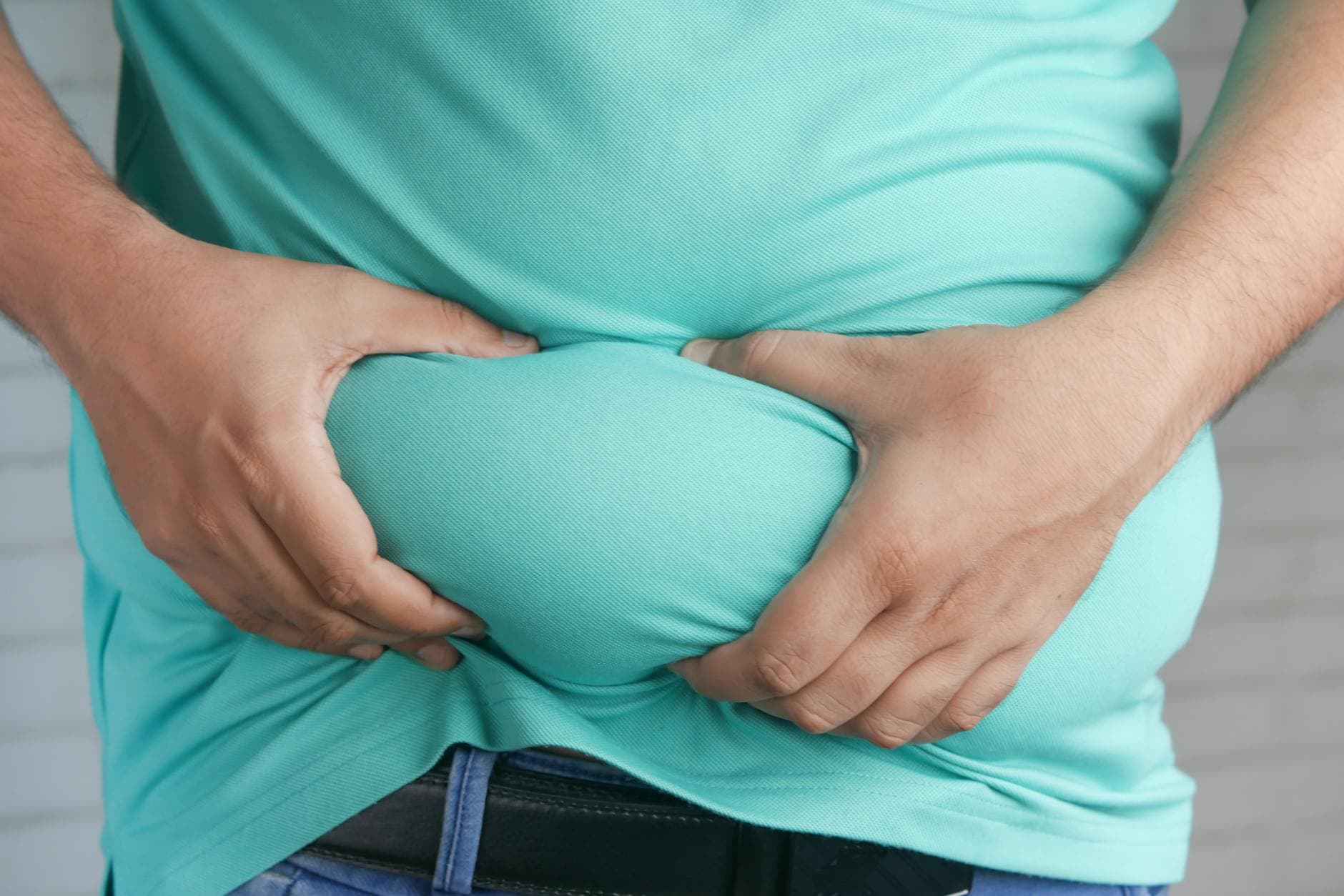
The Shocking Truth About the Best Cardio for Belly Fat
Did you know that spending hours on the treadmill at a steady pace might not be the most effective way to shed that stubborn belly fat? I used to think it was, honestly. But after years of research and personal experience, I've discovered a more efficient approach. The key isn't just about *how long* you work out, but *how* you work out. Finding the best cardio for belly fat involves understanding the science of fat loss and how your body responds to different types of exercise. We're going to dive deep into this.
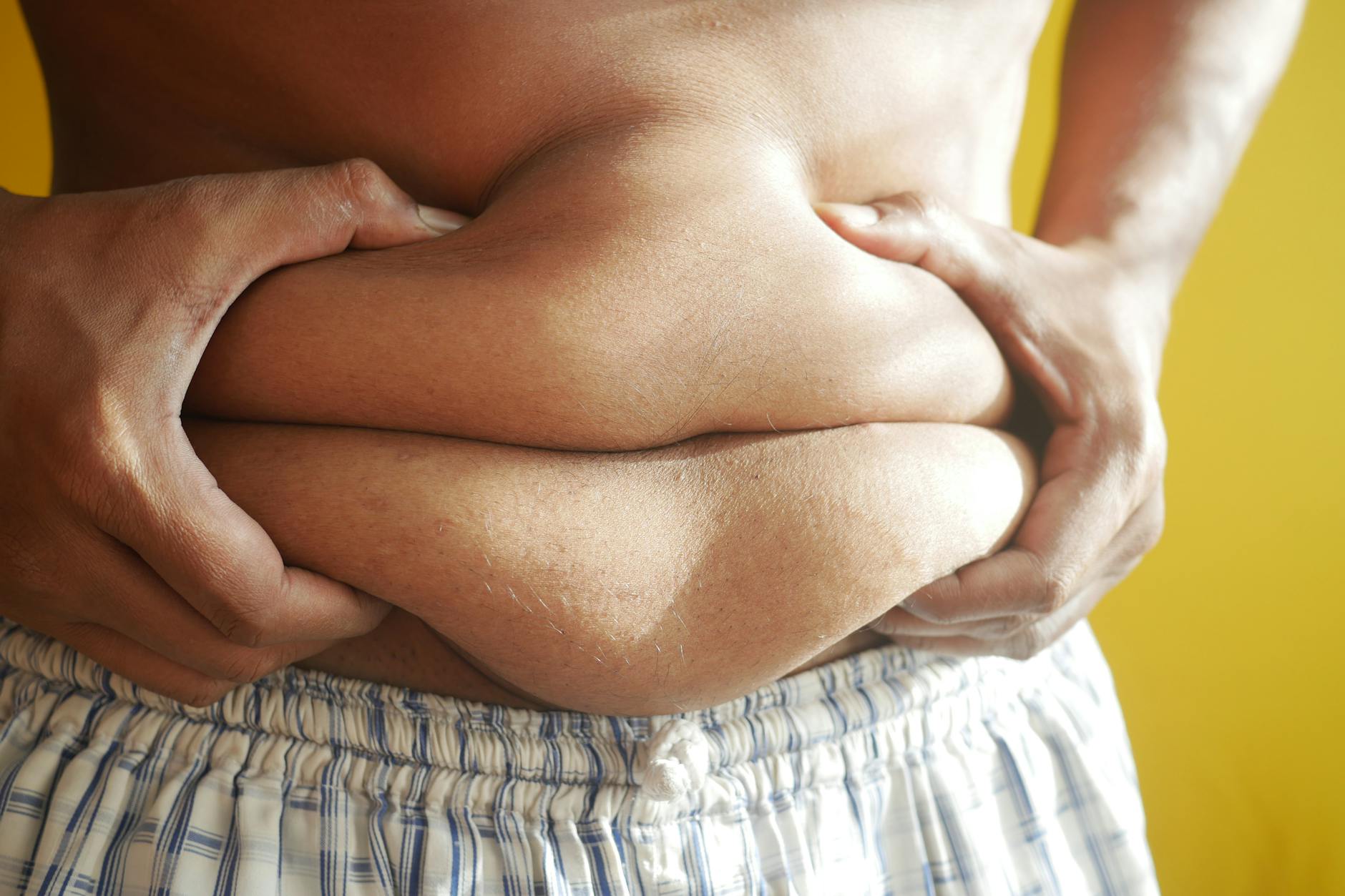
Understanding the Science of Fat Loss and Cardio
The Role of Calories and Metabolism
Weight loss, at its core, is a simple equation: you need to burn more calories than you consume. This is the fundamental principle. But it's not always easy. Your metabolism plays a massive role. It's the rate at which your body burns calories, and it's influenced by factors like age, genetics, and activity level. High-intensity cardio can really give your metabolism a boost, keeping you burning more calories even after you're done exercising.
The Difference Between Steady-State and High-Intensity Cardio
You've probably noticed that there are two main categories of cardio: steady-state and high-intensity interval training (HIIT). Steady-state cardio involves maintaining a consistent pace for an extended period, like jogging at a moderate speed for 30-60 minutes. HIIT, on the other hand, alternates between short bursts of intense activity and brief recovery periods. For example, you might sprint for 30 seconds, then walk for a minute, and repeat.
How Cardio Affects Fat Burning
Cardio helps you burn calories, which is essential for creating a calorie deficit. But different types of cardio can impact your body differently. While steady-state cardio burns calories during the workout, HIIT can boost your metabolic rate for hours afterward, leading to more fat loss. This is often referred to as the "afterburn effect."

Best Cardio for Belly Fat: Exploring the Options
High-Intensity Interval Training (HIIT)
HIIT is, in my opinion, one of the most effective forms of cardio for burning belly fat. Think about it: short, intense bursts of exercise followed by brief recovery periods. This type of training can significantly boost your metabolism and promote fat loss. You can do HIIT with various exercises, including running, cycling, jumping jacks, or even using a rowing machine.
Steady-State Cardio and Its Place
Steady-state cardio, like jogging, cycling at a moderate pace, or brisk walking, also has its benefits. It's excellent for improving cardiovascular health and can contribute to a calorie deficit. However, it might not be as effective as HIIT when it comes to burning belly fat in the shortest amount of time. You can incorporate steady-state cardio into your exercise plan, especially on your recovery days.
Other Cardio Exercises to Consider
Beyond HIIT and steady-state cardio, other exercises can contribute to fat loss. Swimming is a fantastic full-body workout that's easy on the joints. Dancing is a fun and engaging way to burn calories. Even activities like brisk walking or using the elliptical machine can be beneficial if you're consistent. The key is to find activities you enjoy, so you're more likely to stick with them.
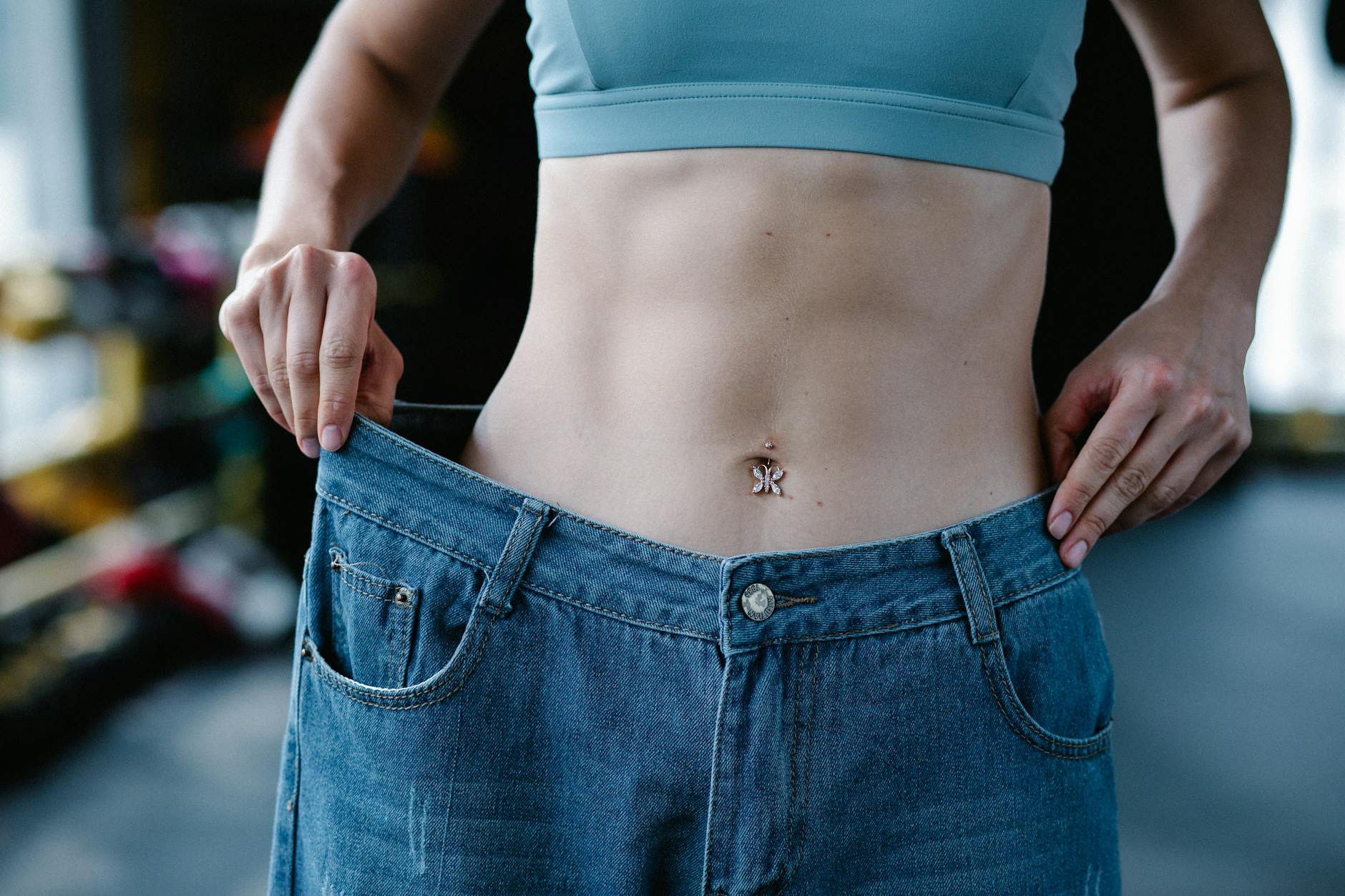
What Nobody Tells You About Cardio and Belly Fat
The Importance of a Calorie Deficit
Here's the truth: no amount of cardio will help you lose belly fat if you're not in a calorie deficit. You need to burn more calories than you consume. This means paying attention to your diet and making smart food choices. Focus on whole, unprocessed foods, and limit your intake of sugary drinks and processed snacks. You can't outrun a bad diet.
The Role of Strength Training
Another often-overlooked aspect is strength training. Building muscle helps boost your metabolism, which, in turn, helps you burn more calories, even when you're at rest. Incorporate weight training into your routine at least two to three times per week. Think about it: the more muscle you have, the more efficient your body becomes at burning fat.
Consistency is Key
You could do the best cardio for belly fat, but it won't matter if you're not consistent. Aim for at least 150 minutes of moderate-intensity cardio or 75 minutes of high-intensity cardio per week, along with strength training sessions. Finding a sustainable routine that fits your lifestyle is crucial for long-term success.
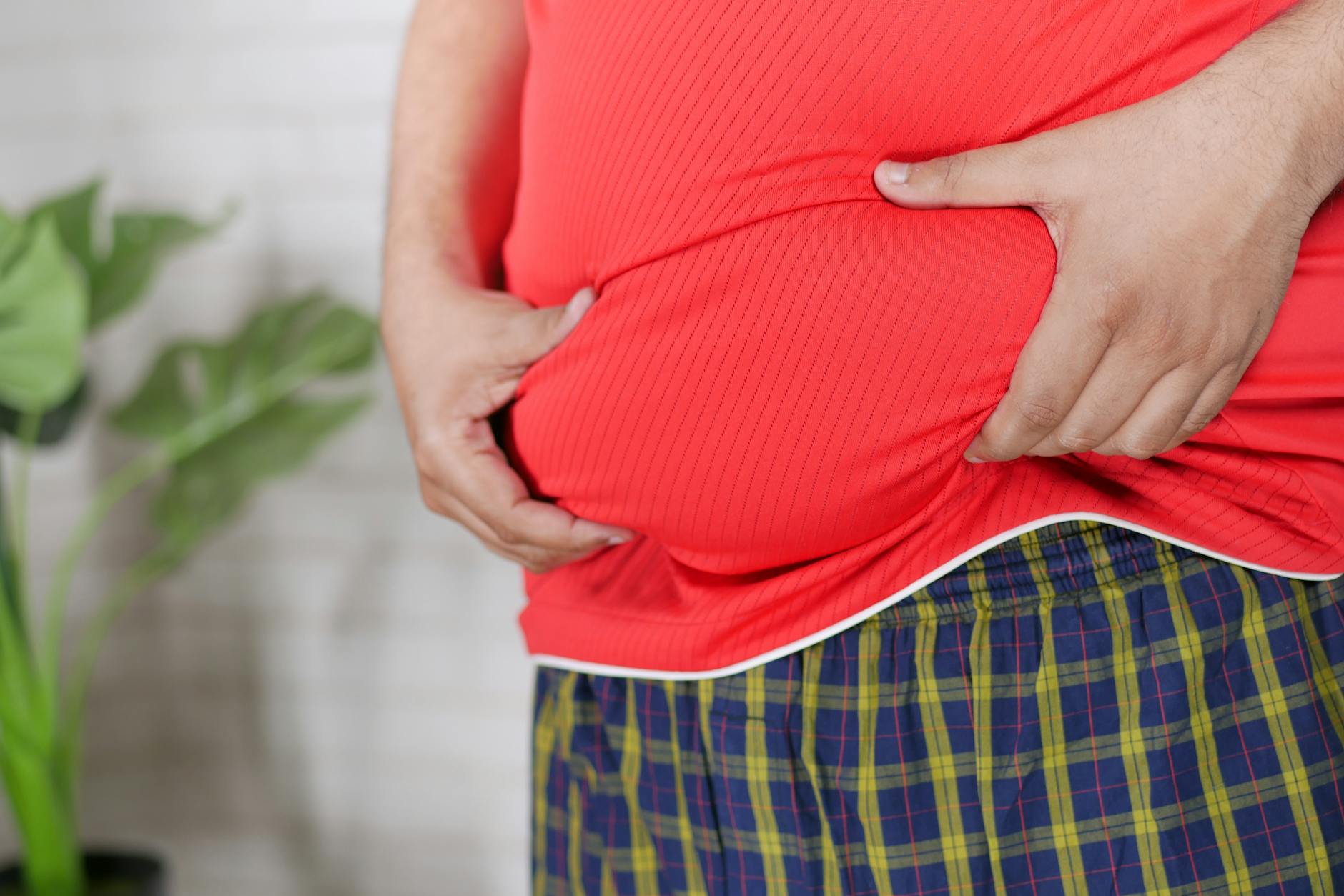
Creating an Effective Cardio Workout Plan
Designing Your HIIT Workout
A typical HIIT workout might involve a warm-up, followed by alternating high-intensity intervals (e.g., sprinting) and recovery periods (e.g., walking). Start with a shorter duration and gradually increase the intensity and duration of your intervals as you get fitter. For example, you could start with 30 seconds of sprinting, followed by 60 seconds of walking, repeated for 15-20 minutes.
Incorporating Steady-State Cardio
On your recovery days, consider incorporating steady-state cardio. This could include a brisk walk, a light jog, or cycling at a moderate pace for 30-45 minutes. The goal is to keep your body moving and burn some extra calories without overexerting yourself. This will help with your overall weight loss goals.
Monitoring Your Progress and Making Adjustments
Track your workouts, your diet, and your progress. This will help you identify what's working and what's not. If you're not seeing results, consider making adjustments to your workout plan or your diet. Don't be afraid to experiment with different types of cardio and find what you enjoy the most. Remember, consistency is key, and it takes time and effort to see meaningful results. You can also research the best cardio for weight loss for additional insights.
Putting It All Together: A Sample Exercise Plan
Weekly Schedule
Here's a sample weekly workout plan incorporating both HIIT and steady-state cardio, along with strength training:
- Monday: Strength training (full body)
- Tuesday: HIIT cardio (e.g., running sprints)
- Wednesday: Rest or active recovery (yoga or light stretching)
- Thursday: Strength training (focus on upper body)
- Friday: Steady-state cardio (e.g., brisk walking or cycling)
- Saturday: Strength training (focus on lower body)
- Sunday: Rest
Specific Workout Examples
For a HIIT workout, try this: Warm-up for 5 minutes (light cardio and dynamic stretching). Then, alternate between 30 seconds of sprinting and 60 seconds of walking for 20 minutes. Cool down for 5 minutes. For steady-state cardio, go for a 45-minute brisk walk or bike ride. An example of a strength training session could involve squats, push-ups, and dumbbell rows.
Dietary Considerations
Make sure your diet supports your fitness goals. Focus on a balanced diet rich in protein, complex carbohydrates, and healthy fats. Aim to consume slightly fewer calories than you burn. For instance, if your body needs 2,000 calories a day to maintain your weight, aim to consume around 1,700-1,800 calories to create a calorie deficit.
Final Thoughts: Your Path to a Leaner You
The best cardio for belly fat isn't a one-size-fits-all solution. It's about finding a combination of exercises, dietary changes, and consistency that works for *you*. I know it can be overwhelming, but don't give up. Remember to prioritize both HIIT and strength training in your routine. It's a journey, not a race. You've probably noticed that the most important thing is to be patient with yourself and celebrate your progress along the way. Believe me, the results are worth it. You've got this! You can find more information about this at Harvard Health research on best cardio for belly fat.